

Largest Lake in Ethiopia
Thinking of visiting Ethiopia? Would you like to explore the stunning nature of Ethiopia? Do you want to know which is the largest Ethiopian lake and how you can make your trip unforgettable during your trip to the lake? You have come to the right place as we have explained in detail about the largest Lake in Ethiopia and every other detail you want to know about this amazing place. Keep on reading to discover more.
Nestled in the highlands of Ethiopia, Lake Tana is the largest lake in the country, spanning over 3,600 square kilometers. The lake’s importance extends beyond its size, as it serves as a significant source of the Blue Nile River and holds immense cultural and ecological significance.
Lake Tana is a crucial natural resource for Ethiopia, providing water for irrigation, hydropower, and drinking water. The lake is also home to numerous endemic and endangered species, making it a biodiversity hotspot in the region.
In addition to its ecological importance, Lake Tana is deeply intertwined with Ethiopian history and culture. The lake has been a religious center for Ethiopian Orthodox Christianity for centuries, with numerous monasteries and churches located on its islands. These monasteries hold priceless religious and historical artifacts, including ancient manuscripts, crosses, and icons.
The lake’s history also includes its role in Ethiopian politics, as several Emperors used the lake as a strategic location for their military campaigns. Lake Tana played a vital role in the country’s economy, serving as a hub for trade and commerce.
Today, Ethiopia’s largest lake faces numerous threats from human activities such as overfishing, pollution, and deforestation. The lake’s ecosystem is fragile, and any significant disturbance can have a severe impact on the biodiversity of the region.
Despite these challenges, Lake Tana’s significance remains unchanged. The lake continues to attract tourists from around the world who come to witness its beauty and explore its rich cultural heritage. With the right measures in place, this biggest Ethiopian lake’s ecological and cultural significance can be preserved for future generations.
In this article, we will delve deeper into the location and geography of Lake Tana, its historical and cultural significance, its rich biodiversity, the human impact on its ecosystem, and its potential as a tourist destination.
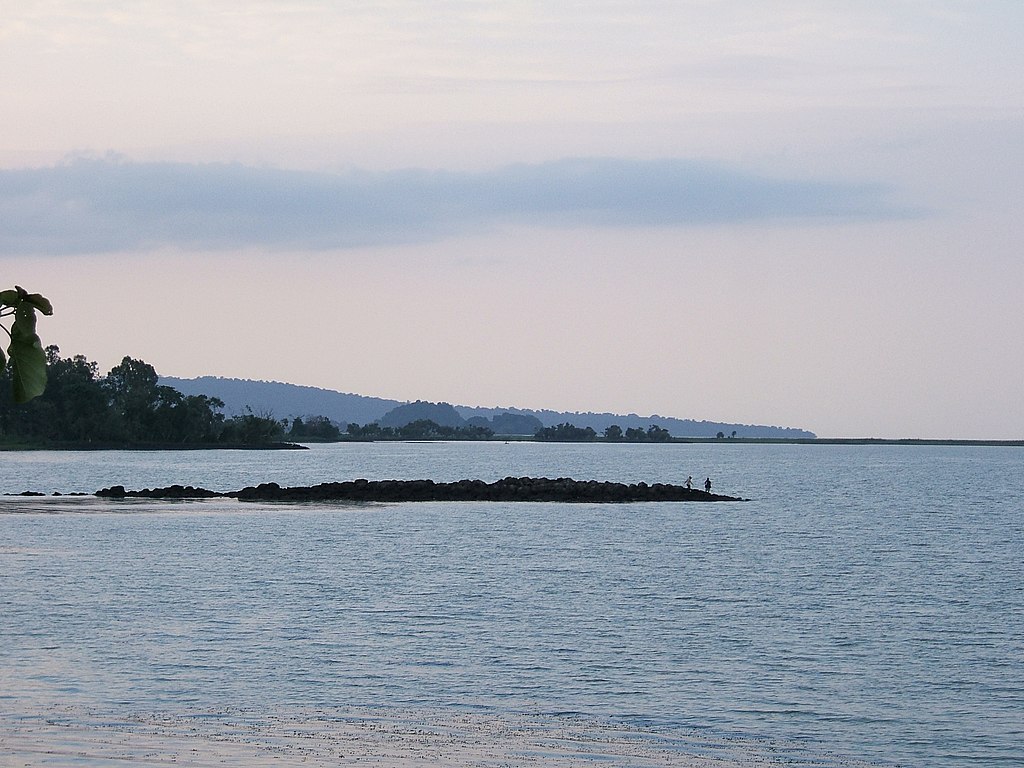
Location and Geography of Lake Tana
Located in the northwestern region of Ethiopia, Lake Tana is the largest lake in the country and the source of the Blue Nile River. The lake is situated at an altitude of 1,788 meters (5,866 feet) above sea level and covers an area of 3,673 square kilometers (1,418 square miles).
The surrounding landscape is primarily composed of highlands and plateaus, with the Simien Mountains located to the north and the Ethiopian Highlands to the east. The lake itself is surrounded by wetlands, marshes, and papyrus beds, providing a unique habitat for a variety of wildlife.
Lake Tana was formed over millions of years as a result of volcanic activity and tectonic movements. The lake sits in a depression created by the East African Rift System, which stretches from Ethiopia to Mozambique. The Rift System has caused the African continent to split apart and led to the formation of several lakes in the region, including Lake Tana.
The lake is fed by several rivers and streams, including the Gumara River, which is the largest tributary. The Blue Nile River begins its journey from the outlet of Lake Tana, where it flows northward and eventually merges with the White Nile in Sudan to form the Nile River, the longest river in the world.
The surrounding area is home to numerous villages and towns, including the city of Bahir Dar, which is located on the southern shore of the lake. The city serves as a gateway to Lake Tana and the many tourist attractions in Ethiopia.
This Ethiopian largest lake holds great cultural significance for Ethiopia, as it has been a vital source of water for agriculture and domestic use for centuries. The lake is also an important site for fishing, with the Nile tilapia being the most common species caught. The lake’s rich biodiversity has also attracted scientific interest, with numerous studies being conducted on the plant and animal life found in and around the lake.
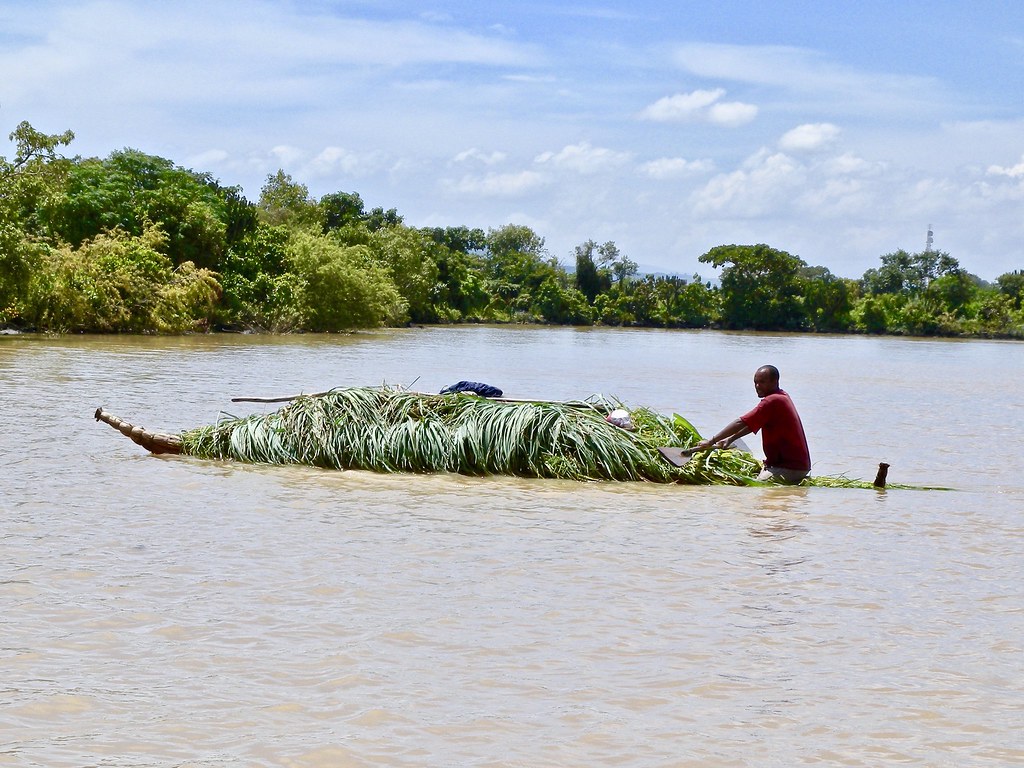
Photo Credit : Luca Qui
How to Get to the Largest Ethiopian Lake
To get to Lake Tana, you can take a domestic flight from Addis Ababa to Bahir Dar, which is the nearest city to the lake. From Bahir Dar, you can hire a taxi or take a bus to reach the lake, which is about 30 kilometers away.
Once you arrive at the lake, you can take a boat ride to explore the various islands and monasteries that are located on the lake, including the famous 14th-century monasteries of Ura Kidane Mihret and Azwa Maryam. Lake Tana is a beautiful and historic destination, known for its rich biodiversity and cultural significance, and it is definitely worth a visit if you are traveling to Ethiopia.
History of Lake Tana
Lake Tana has a rich historical significance in Ethiopian culture and religion, as well as being an important source of water for the region. The lake is the source of the Blue Nile River, which flows out of the lake’s northern shore and eventually meets the White Nile in Sudan to form the Nile River, the longest river in the world.
The lake has played an important role in Ethiopian history, with the region surrounding the lake being inhabited by various indigenous tribes and kingdoms for thousands of years. It was also an important center of Christianity, with the Ethiopian Orthodox Tewahedo Church establishing monasteries on the lake’s islands as early as the 14th century.
This biggest Ethiopian lake has been an important source of livelihood for the people living around it, with fishing being a primary economic activity. The Nile tilapia, a species of fish native to the lake, has long been an important source of food and income for local communities. The lake’s papyrus beds have also been used for weaving and construction.
The lake’s religious significance is closely tied to the Ethiopian Orthodox Church, which has a long history in the region. The church believes that the Ark of the Covenant, a religious artifact described in the Old Testament of the Bible, is located in Ethiopia, and Lake Tana is believed to be one of the possible locations where the ark was kept. The church also established numerous monasteries on the lake’s islands, some of which date back to the 14th century and are still in use today.
Many of the monasteries on Lake Tana contain ancient religious artifacts, such as illuminated manuscripts, icons, and crosses. The most famous of these monasteries is the island monastery of Ura Kidane Mehret, which was founded in the 14th century and contains some of the most valuable religious artifacts in Ethiopia.
In addition to its religious and historical significance, Ethiopian largest lake, Lake Tana is also an important ecological hotspot, with a wide variety of endemic and endangered species living in and around the lake. The lake is home to over 20 species of fish, including the Nile tilapia and the African softshell turtle. The surrounding wetlands and forests provide habitat for a wide variety of bird species, including the endangered Wattled crane and the Blue-winged goose.
Overall, Lake Tana is a vital part of Ethiopian culture and history, as well as being an important ecological hotspot. Efforts are being made to preserve the lake’s biodiversity and mitigate the impact of human activities such as pollution and overfishing, in order to ensure that this important natural resource can be enjoyed by future generations.
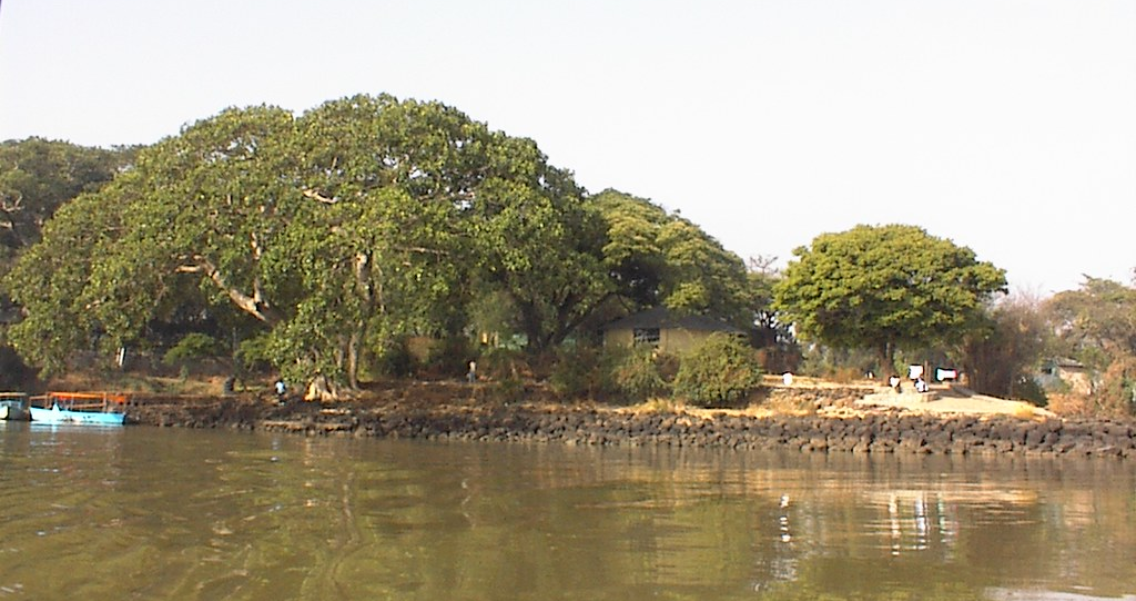
Photo Credit : Aksum06
Wildlife and Biodiversity
Lake Tana is home to a diverse range of flora and fauna, making it an important ecological hotspot in Ethiopia. The lake’s unique ecosystem supports a number of endemic and endangered species, many of which are found nowhere else in the world.
One of the most important species found in Lake Tana is the Nile tilapia (Oreochromis niloticus). This species of fish is a key source of food and income for local communities, but its populations have been severely impacted by overfishing and habitat loss. Efforts are being made to conserve the Nile tilapia and other fish species in the lake through sustainable fishing practices and the creation of protected areas.
Another important species found in and around Ethiopian Lake Tana is the African softshell turtle (Trionyx triunguis). This freshwater turtle is listed as endangered by the International Union for Conservation of Nature (IUCN) and is threatened by habitat destruction, overfishing, and the pet trade. Efforts are being made to protect the African softshell turtle and its habitat, including the creation of protected areas and educational programs for local communities.
In addition to fish and turtles, Lake Tana is home to a wide variety of birds, including several endemic species. The lake’s wetlands and surrounding forests provide important habitat for waterbirds such as the white-winged cliff chat (Monticola semirufus), the wattled ibis (Bostrychia carunculata), and the blue-winged goose (Cyanochen cyanoptera). These birds are highly valued by birdwatchers and ecotourists, making Lake Tana an important destination for wildlife tourism.
The vegetation around Lake Tana is also highly diverse, with several unique plant species found in the surrounding forests and wetlands. The lake’s wetlands provide important habitat for papyrus (Cyperus papyrus), a tall, reed-like plant that is used for a variety of purposes by local communities, including roof thatching and basket weaving.
Overall, Lake Tana’s rich biodiversity is an important asset for Ethiopia and the world. Efforts to protect and conserve the lake’s unique flora and fauna are essential for maintaining the health of the ecosystem and ensuring the sustainability of local communities who depend on the lake for their livelihoods.
While visiting Ethiopia, you may want to explore other amazing attractions the country has to offer. You can visit the ommo valley, where you get to explore and experience amazing culture of Ethiopian tribes and the valley’s landscapes. You can also explore Menz Gussa national park, which greets you with various types of flora and fauna.
Human Impact on Lake Tana
Ethiopia’s Lake Tana, like many bodies of water around the world, has been impacted by human activity. Overfishing, pollution, and deforestation are just some of the ways in which human actions have affected the lake and its ecosystem.
One of the primary human impacts on Lake Tana is overfishing. The lake is home to a variety of fish species, including the Nile tilapia, which is an important food source for many people in Ethiopia. However, overfishing has led to declines in fish populations, which can have negative ripple effects throughout the ecosystem. In recent years, the Ethiopian government has implemented measures to regulate fishing and protect fish populations, such as limiting the number of fishing licenses and prohibiting certain fishing methods.
Pollution is another major human impact on this largest Ethiopian lake. Agriculture and livestock grazing in the surrounding areas can lead to runoff of chemicals and waste into the lake, which can harm aquatic life and compromise water quality. In addition, sewage from nearby towns and cities can also contribute to pollution in the lake. To combat this issue, there have been efforts to improve sanitation and wastewater treatment in the region.
Deforestation is also a concern for the health of Lake Tana and its surrounding ecosystem. Trees help to prevent erosion and filter pollutants before they enter the lake. When forests are cleared for agriculture or other purposes, this can lead to increased erosion and sedimentation in the lake, which can harm fish populations and aquatic plants. The Ethiopian government has implemented reforestation efforts in the region to help mitigate this issue.
Efforts are being made to mitigate these impacts and preserve the biodiversity of Lake Tana. The Ethiopian government, in partnership with international organizations, has implemented measures to regulate fishing, improve sanitation and wastewater treatment, and promote reforestation in the region. In addition, there are ongoing efforts to educate local communities and visitors about the importance of protecting the lake and its ecosystem.
Despite these challenges, Ethiopian Lake, Tana remains an important and biodiverse ecosystem. It is home to several endemic and endangered species, such as the Nile tilapia and the African softshell turtle. Protecting the lake and its surrounding ecosystem is not only important for the survival of these species, but also for the well-being of the local communities who rely on the lake for food and livelihoods.
The Lake Tana is an important resource for Ethiopia and its people. However, human activity has had a negative impact on the lake and its ecosystem. Efforts are being made to mitigate these impacts and preserve the lake’s biodiversity, but continued education and action is necessary to ensure the long-term health of Lake Tana for future generations.
Ethiopia is indeed an incredible country to spend your vacation. Along with the Lake Tana, you get to visit amazing Addis Ababa city, Rift valley lakes, Volcano and much more.
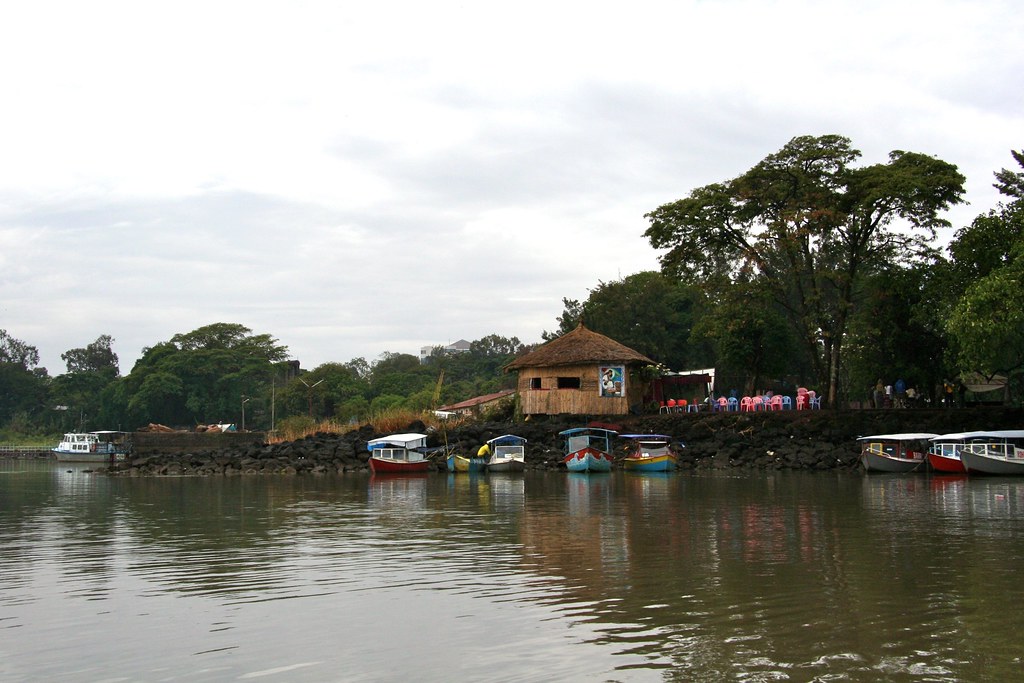
Tourism and Recreation in and around the Lake Tana
This Ethiopia’s largest lake has become an increasingly popular destination for tourists due to its cultural and natural attractions. Visitors can engage in various recreational activities such as boating, fishing, and birdwatching, or explore the historical and religious landmarks around the lake.
One of the main attractions for visitors to Lake Tana is the numerous monasteries located on the islands in the lake. These monasteries date back to the 14th century and are home to many ancient religious artifacts, murals, and manuscripts. The monasteries are still active and visitors can witness the daily life of the monks and participate in religious ceremonies.
Boating is a popular way to explore the lake and its islands. There are several types of boats available for hire, including traditional papyrus boats, motorboats, and canoes. Fishing is also a popular activity, with the lake being home to various fish species such as Nile perch, catfish, and tilapia.
For birdwatchers, Lake Tana is a paradise. The lake and its surrounding wetlands provide habitat for over 200 bird species, including the African fish eagle, marabou stork, and blue-winged goose. The best time for birdwatching is during the dry season, from October to March, when many migratory bird species arrive.
Apart from the lake itself, there are many other attractions in the surrounding area. The ancient city of Gondar, located about 70 kilometers north of the lake, is a UNESCO World Heritage Site and a must-see for history buffs. The city is home to several castles and palaces built during the 17th and 18th centuries by Ethiopian emperors.
Another attraction near Lake Tana is the Blue Nile Falls, located about 30 kilometers downstream from the lake. The falls, locally known as Tis Abay, are about 45 meters high and 400 meters wide during the rainy season. Visitors can take a short hike to the falls and witness the power of the Blue Nile River.
Despite its growing popularity as a tourist destination, this biggest Ethiopian lake and its ecosystem face various threats from human activity. Overfishing, pollution, and deforestation are some of the major challenges that need to be addressed to preserve the Ethiopian lake’s biodiversity and cultural heritage. Efforts are being made by the Ethiopian government and non-governmental organizations to mitigate these impacts and promote sustainable tourism practices.
On the shores of Lake Tana, there are many hotels available, as listed by Trip Advisor, that offer various amenities for visitors to enjoy the natural beauty of the area. By choosing to stay at hotels that prioritize sustainable practices, tourists can help protect the lake and its ecosystem while enjoying their stay in Bahir Dar.
Here are some of the best hotels to stay in Bahir Dar according to trip advisor
| Hotel Name | Rating | Additional Information |
|---|---|---|
| Kuriftu Resort & Spa | 9.1 | Located on the shores of Lake Tana, offering scenic views and a spa |
| Abay Minch Lodge | 8.7 | Offers an outdoor pool and restaurant, located close to Lake Tana |
| Jacaranda Hotel | 8.6 | Centrally located, offers a bar and restaurant, and conference facilities |
| Delano Hotel Bahir Dar | 8.5 | Features an outdoor pool, restaurant, and conference facilities |
| Summerland Hotel | 8.3 | Offers a bar and restaurant, located near Lake Tana and the Blue Nile Falls |
| Tana Hotel | 8.1 | Located near the city center, offers a restaurant and conference facilities |
| Blue Nile Resort | 8 | Offers a restaurant, bar, and outdoor pool, located near the Blue Nile River |
| South Star International Hotel | 7.9 | Offers a restaurant and bar, located near the city center |
| Lake Shore Lodge | 7.8 | Located on the shores of Lake Tana, offers a restaurant and bar |
| Dib Anbessa Hotel | 7.6 | Located near the city center, offers a restaurant and bar |
Please note that ratings are subject to change and are accurate as of the knowledge cutoff date.
Summing it up, Ethiopian’s Largest Lake Tana is a unique destination that offers visitors a mix of culture, history, and nature. Its monasteries, wildlife, and recreational opportunities make it a must-see for anyone visiting Ethiopia. However, it is important to preserve the lake’s ecosystem and cultural heritage for future generations to enjoy. Sustainable tourism practices and conservation efforts are essential to achieving this goal.
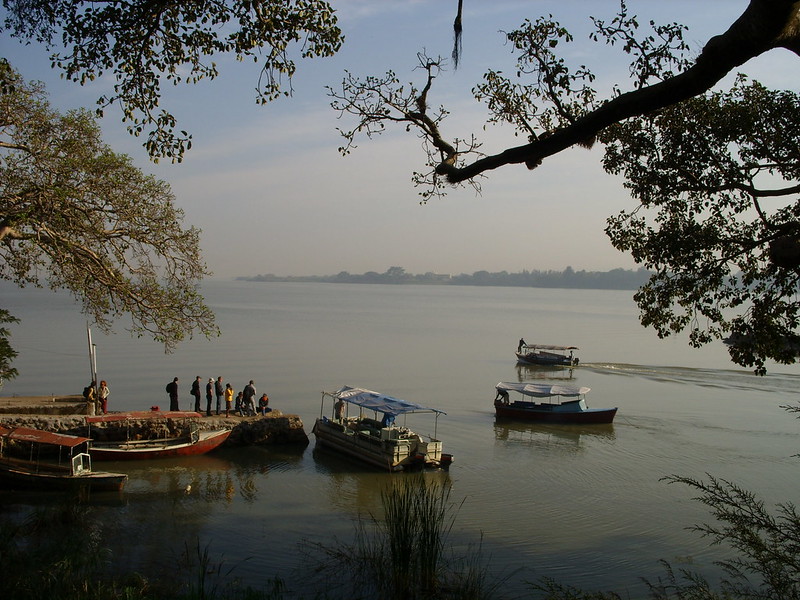
Photo Credit : Renzo59
Conclusion
In conclusion, Ethiopian Largest Lake Tana is a crucial part of Ethiopia’s history and culture, serving as a habitat for endemic and endangered species and a source of water for the region. Despite being the largest lake in Ethiopia, it faces challenges such as overfishing, pollution, and deforestation. Efforts to preserve its biodiversity include controlling fishing and promoting sustainable land use. Lake Tana is also a popular tourist destination, offering recreational activities such as boating, fishing, and birdwatching. Given its importance as a cultural, ecological, and economic resource, conserving and protecting Lake Tana is essential for future generations to enjoy.
FAQs
What is Ethiopia’s largest lake?
Ethiopia’s largest lake is Lake Tana. It is located in the northwestern part of the country and covers an area of approximately 3,600 square kilometers. The lake is an important source of water for the Blue Nile River, which flows from the lake and eventually meets the White Nile River in Sudan to form the Nile River.
Is Tana The largest lake in Africa?
Lake Tana is not the largest lake in Africa. It is, however, the largest lake in Ethiopia and the source of the Blue Nile River. The largest lake in Africa is Lake Victoria, which is located in East Africa and covers an area of approximately 68,800 square kilometers. Lake Victoria is also the second-largest freshwater lake in the world.
What is the largest and the deepest lakes in Ethiopia?
The largest and deepest lakes in Ethiopia are both located in the Great Rift Valley. Lake Abaya is the largest lake in Ethiopia, covering an area of approximately 1,160 square kilometers. It is also the second-deepest lake in the country, with a maximum depth of 13.1 meters. Lake Chamo is the deepest lake in Ethiopia, with a maximum depth of 14.8 meters. It covers an area of approximately 551 square kilometers.
What is the Ethiopian deepest lake?
The Ethiopian deepest lake is Lake Chamo, which is located in the Great Rift Valley. It has a maximum depth of 14.8 meters and covers an area of approximately 551 square kilometers. The lake is known for its abundant fish population, including tilapia, catfish, and Nile perch, and is a popular destination for fishing enthusiasts.
What are the three lakes in Ethiopia?
The three major lakes in Ethiopia are Lake Tana, Lake Abaya, and Lake Chamo. Lake Tana is the largest lake in Ethiopia, while Lake Abaya and Lake Chamo are located in the Great Rift Valley. These lakes are not only important tourist destinations but also play a vital role in supporting local communities by providing a source of livelihood and sustenance through fishing and agriculture.
What is lake tana known for?
Lake Tana is known for its cultural, ecological, and economic significance, being the largest lake in Ethiopia and a vital source of water and life for people and wildlife across the region.

