

Overview Of Safety Concerns In Ethiopia
Planning a trip to Ethiopia? Are safety concerns in Ethiopia holding you back from visiting the country? Want to know how you can stay safe and sound during your trip to Ethiopia? Your search ends here. Though Ethiopia is indeed the safest country to spend your next vacation, you may need to follow some safety majors so that you can make the most out of your trip. In this article, we have explained every detail regarding your safety while visiting this amazing country. Keep on reading this article to discover more!
Ethiopia is a beautiful country with a rich history and diverse culture, making it an increasingly popular destination for foreign travelers. And yes Ethiopia is safe and a fantastic country to travel and spend your vacation. However, like any other country, Ethiopia has its own unique set of safety concerns that you should be aware of before planning your trip. While most travelers to Ethiopia have a safe and enjoyable experience, it is important to take precautions to minimize risks and stay informed about potential hazards.
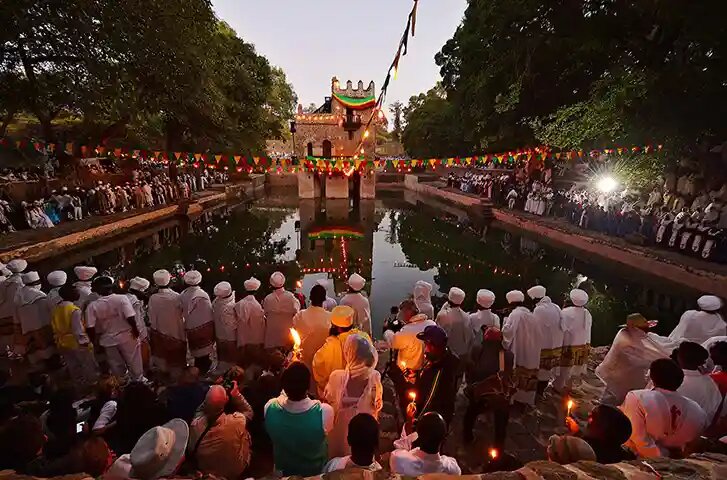
Introduction to Ethiopia's geography, history, culture, and politics
Ethiopia is located in the Horn of Africa, bordered by Eritrea to the north, Sudan to the west, Kenya to the south, Somalia to the east, and Djibouti to the northeast. The country is known for its diverse geography, ranging from highlands and mountains to lowlands and deserts. The capital city, Addis Ababa, is located in the central highlands and is the political and cultural center of the country.
Ethiopia has a rich and complex history, with evidence of human settlement dating back thousands of years. The country is home to several UNESCO World Heritage Sites, including the ancient city of Aksum, the rock-hewn churches of Lalibela, and the medieval castles of Gondar. Ethiopia is also known for its distinctive cuisine, music, and arts, which reflect the country’s unique blend of cultural influences.
Ethiopia is a country with a deep and fascinating culture that is influenced by its history and geography. Ethiopian culture is diverse and vibrant, with over 80 different ethnic groups and languages spoken throughout the country. Some of the most prominent aspects of Ethiopian culture include:
Cuisine: Ethiopian cuisine is known for its distinctive flavors and ingredients, including injera (a sourdough flatbread), wot (a spicy stew), and coffee.
Music and dance: Ethiopian music and dance are integral parts of the country’s cultural heritage, with traditional instruments like the krar and masenqo used to create unique sounds and rhythms.
Religion: Ethiopia is home to one of the oldest Christian churches in the world, and religion plays a significant role in Ethiopian culture. The country also has a significant Muslim population.
Arts and crafts: Ethiopian art and crafts are known for their intricate designs and bright colors, with traditional textiles, pottery, and jewelry being popular souvenirs for you.
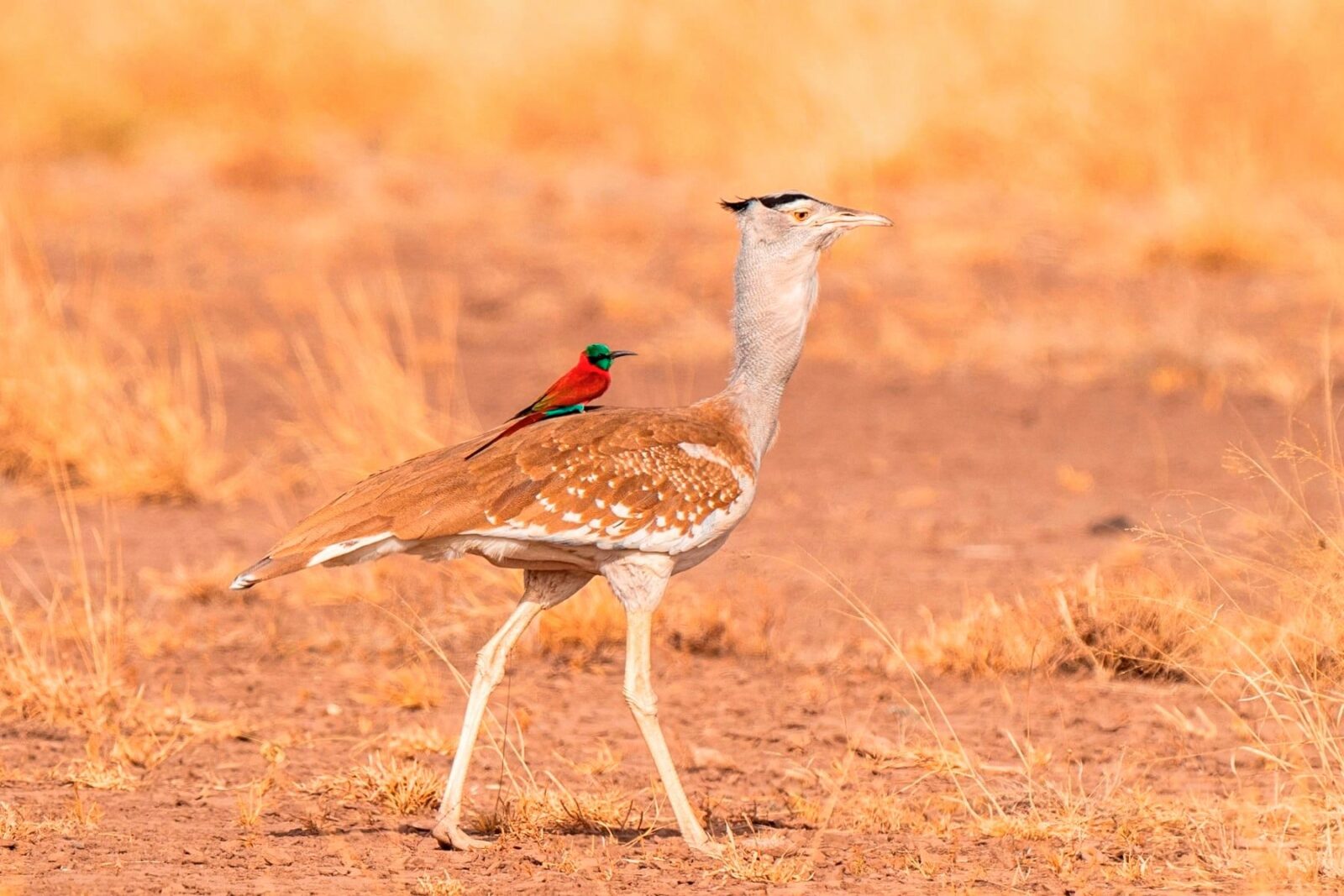
Safety Statistics: Discussion of crime rates, terrorism, and other safety concerns in Ethiopia
You may have concerns about safety in Ethiopia due to reports of crime, terrorism, and other safety risks. While Ethiopia has made significant progress in reducing crime rates in recent years, travelers should still take precautions to ensure their safety. Here are some safety statistics to be aware of:
Crime rates: According to the Global Peace Index, Ethiopia ranks 132 out of 163 countries in terms of safety and peace. The report notes that Ethiopia has seen a significant improvement in safety in recent years, with crime rates declining in urban areas. However, petty crime such as pickpocketing and theft can still be a concern, particularly in crowded areas like markets and public transportation.
Terrorism: Ethiopia has experienced several terrorist attacks in the past, particularly in the border regions with Somalia and Eritrea. However, the government has taken steps to improve security in these areas, and the risk of terrorism is considered low in most parts of the country.
Civil unrest: Ethiopia has experienced periods of civil unrest in recent years, particularly around election periods. While these protests have mostly been peaceful, there have been incidents of violence in some areas. Travelers should avoid large gatherings and demonstrations, and stay up to date on the latest news and security alerts.
Natural disasters: Ethiopia is prone to natural disasters such as drought, flooding, and earthquakes. Travelers should be aware of these risks and take precautions to ensure their safety, such as carrying emergency supplies and staying informed about weather conditions.
Health Safety: Health risks and precautions for travelers, including vaccinations and disease prevention.
Travelers to Ethiopia should be aware of potential health risks and take necessary precautions to ensure their well-being during their trip. Here are some health risks and precautions to keep in mind:
Vaccinations: The Ethiopian government requires all travelers to show proof of yellow fever vaccination before entering the country. Other recommended vaccinations include hepatitis A and B, typhoid, and rabies. Travelers should consult with their healthcare provider or a travel health clinic at least 4-6 weeks before their trip to ensure they are up to date on all recommended vaccinations.
Malaria: Malaria is prevalent in Ethiopia, particularly in rural areas and during the rainy season. The highest burden of malaria is in areas with lower altitudes and high rainfall, particularly in the western and southwestern parts of the country, although malaria transmission can occur throughout the year in many areas. Travelers should take precautions to prevent mosquito bites, such as using insect repellent, wearing long-sleeved clothing and pants, and sleeping under mosquito nets. Anti-malaria medication may also be recommended.
Food and water safety: Travelers should be cautious about consuming tap water and eating raw fruits and vegetables that may have been washed with contaminated water. Bottled water is widely available and recommended, as is thoroughly cooked food.
Altitude sickness: Ethiopia’s high altitude can be a concern for some travelers, particularly those with respiratory or heart conditions. Travelers should take time to acclimate to the altitude and avoid strenuous activity for the first few days.
Other health risks: Travelers should also be aware of other health risks in Ethiopia, such as cholera, dengue fever, and HIV/AIDS. It is recommended to take additional precautions such as practicing safe sex and avoiding contact with bodily fluids.
Safety Precautions: Tips for staying safe while traveling in Ethiopia, including health risks, common scams, and personal safety.
While there are some safety concerns for you in Ethiopia, there are also many ways to ensure a safe and enjoyable trip. Here are some tips for staying safe while traveling in Ethiopia:
Be aware of your surroundings: When traveling in Ethiopia, it’s important to be aware of your surroundings and pay attention to any potential safety risks. Avoid walking alone at night and in areas that are unfamiliar to you.
Use trusted transportation: When using public transportation, choose reputable companies and avoid overcrowded vehicles. Taxis and private car hires are also available and can be a safer option.
Protect your belongings: Petty theft can be a concern in Ethiopia, so it’s important to take precautions to protect your belongings. Keep your valuables out of sight and be cautious when using your phone or camera in public.
Be cautious with money: Avoid carrying large sums of cash and be cautious when using ATMs or exchanging currency. Scams involving counterfeit money and overcharging for services can occur, so it’s important to use reputable businesses and negotiate prices in advance.
Be mindful of health risks: Take necessary precautions to protect your health, such as washing your hands frequently and using insect repellent to prevent mosquito bites.
Research local customs: Ethiopia has a rich and diverse culture, and it’s important to be mindful of local customs and traditions. Dress modestly in public and avoid any behavior that may be considered offensive.
Transport Safety: Advice on safe transportation in Ethiopia, including taxis, public transport, and driving.
Areas to Avoid: High-risk areas in Ethiopia and reasons to avoid them
While Ethiopia is generally safe for travelers, there are some areas that may pose a higher risk of safety concerns. Here are some areas to avoid and reasons why:
Border regions: The border regions of Ethiopia, particularly those with Somalia, Eritrea, and Sudan, can be volatile due to ongoing conflicts and security concerns. These areas are generally not recommended for tourists.
Political protests: Political protests can occur in Ethiopia, particularly in the capital city of Addis Ababa. These protests can sometimes turn violent, and it’s important to avoid large crowds and demonstrations.
Crime hotspots: Petty crime can occur in Ethiopia, particularly in crowded areas such as markets and bus stations. Some neighborhoods in Addis Ababa, such as Mercato and Piazza, are known for higher levels of crime and should be avoided.
Natural disaster-prone areas: Ethiopia is prone to natural disasters such as floods, droughts, and landslides. Some areas are more prone to these risks than others, and it’s important to stay informed about any potential hazards and avoid traveling to high-risk areas during times of heightened risk.
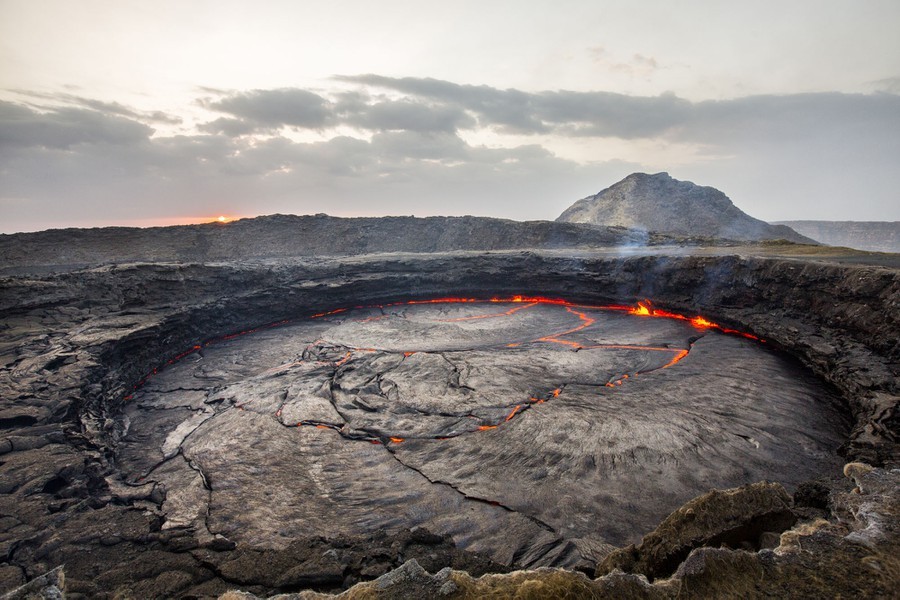
Accommodation Safety: Tips for choosing safe accommodations in Ethiopia
Accommodation safety is important. Here are some tips for choosing safe accommodations in Ethiopia:
Do your research: Before booking a hotel or guesthouse in Ethiopia, do your research to ensure that it is a reputable establishment. Look for reviews from previous guests and check if the accommodation has any safety certifications.
Choose a secure location: When choosing a place to stay, look for a secure location that is well-lit and has good security measures in place, such as CCTV cameras and security guards.
Check the room features: When checking into your accommodation, make sure to inspect the room for any potential safety concerns, such as broken locks or windows. If you have any concerns, ask to be moved to another room or choose a different accommodation.
Keep your belongings safe: Use the hotel safe or lock up your valuables when leaving the room. Don’t leave your belongings unattended in public areas or visible in your room.
Be cautious with strangers: Avoid inviting strangers back to your accommodation and be cautious when opening your door to strangers, especially if you are alone.
Know emergency procedures: Familiarize yourself with the emergency procedures at your accommodation, such as fire escape routes and emergency contacts.
By following these tips, you can choose safe and secure accommodations in Ethiopia and have a more enjoyable trip.
Cultural Sensitivity: Guidance on cultural norms and etiquette in Ethiopia.
When traveling to Ethiopia, it’s important to be aware of cultural norms and etiquette in order to avoid offending locals and to show respect for their customs. Here are some tips for cultural sensitivity:
Dress modestly: Ethiopians are generally conservative when it comes to dress, particularly in rural areas and places of worship. It’s best to dress fairly, covering your shoulders and knees, and avoiding revealing clothing.
Greeting customs: Ethiopians place a high value on greetings, particularly with strangers. It’s customary to exchange pleasantries and shake hands with people you meet, using the right hand only. It’s also common to exchange kisses on the cheeks with friends and family.
Respect religious customs: Ethiopia is a deeply religious country, and it’s important to respect local religious customs. When visiting churches or mosques, dress modestly and remove your shoes before entering. If you are not sure about a specific custom, ask for guidance from a local or a tour guide.
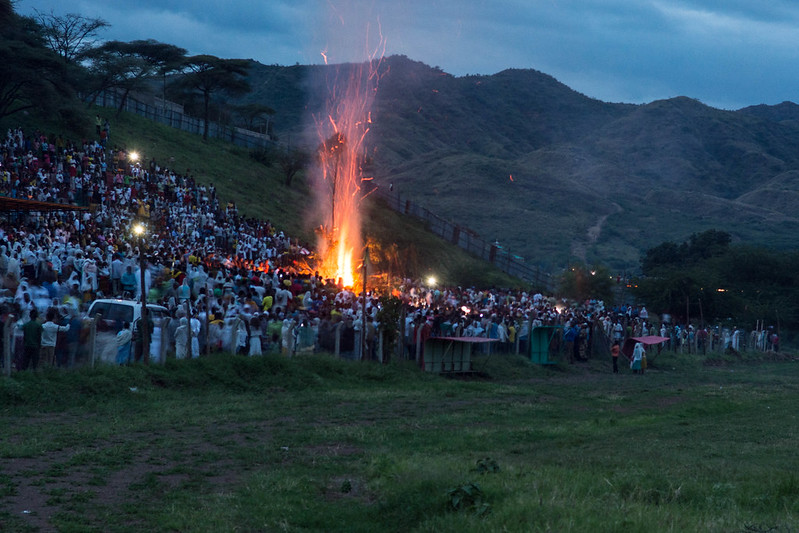
Food and Water Safety: Health and safety precautions for food and water consumption in Ethiopia.
When traveling to Ethiopia, you should take precautions to ensure the safety of the food and water they consume. Here are some tips for food and water safety:
Drink bottled water: Tap water in Ethiopia is not safe to drink, so it’s important to stick to bottled water or bring a water filtration system. Make sure that the bottle’s seal is intact before purchasing.
Avoid ice and raw foods: When eating out, it’s best to avoid ice and raw foods that may have been washed in tap water. Choose cooked foods that are served hot.
Eat at reputable establishments: When choosing restaurants or street food vendors, opt for reputable establishments that have good hygiene practices.
Wash your hands: Make sure to wash your hands thoroughly before eating, especially if you have been out and about in public areas. It’s also a good idea to carry hand sanitizer.
Consider vaccinations: Talk to your healthcare provider about vaccinations for food and water-borne illnesses, such as typhoid and hepatitis A.

FAQs
Is Ethiopia safe to travel?
Yes, Ethiopia is generally safe to travel, but like any country, it has its risks and challenges.
What are the safety concerns in Ethiopia?
Some of the safety concerns in Ethiopia include petty theft, pickpocketing, and street crime. There are also occasional protests and demonstrations, which can lead to violence.
Is it safe to travel alone in Ethiopia?
Traveling alone in Ethiopia can be safe, but it’s important to take precautions. Stick to well-lit and busy areas, especially at night, and be aware of your surroundings.
What are the health risks in Ethiopia?
Ethiopia’s low altitude areas has a high risk of malaria, so it’s important to take the necessary precautions to protect yourself. Speak to your doctor about taking anti-malaria medication and be sure to bring insect repellent and long-sleeved clothing to avoid mosquito bites.
Are there any areas in Ethiopia that are not safe for tourists?
Some areas of Ethiopia are considered unsafe due to political instability and conflict. These areas include the Somali region, border areas with Eritrea, and parts of the Oromia and Tigray regions.
Is it safe to travel to Ethiopia during political unrest or protests?
It’s best to avoid traveling to Ethiopia during political unrest or protests. These events can quickly turn violent, and it’s essential to prioritize your safety.
How should I dress in Ethiopia?
Ethiopians are generally conservative, and it’s respectful to dress modestly. Women should cover their heads when entering a church, and it’s always a good idea to avoid wearing revealing clothing.
What should I do if I feel unsafe in Ethiopia?
If you feel unsafe in Ethiopia, contact your embassy or consulate immediately. They can provide assistance and advice on how to stay safe.
Can I travel to Ethiopia independently, or should I join a tour group?
Traveling independently in Ethiopia is possible, but it’s important to take precautions and be aware of your surroundings. Joining a tour group can provide an added layer of safety and security.
Is Ethiopia safe for solo female travelers?
Ethiopia can be safe for solo female travelers, but it’s essential to take extra precautions. Avoid walking alone at night, be aware of your surroundings, and dress modestly to avoid unwanted attention.

