

Introduction
Are you a nature enthusiast looking for a unique wildlife experience? Do you want to witness the magnificent animals that inhabit Ethiopia’s national parks and reserves? Look no further, as we present to you an in-depth article about the Animals of Ethiopia.
Ethiopia is a country that boasts of a diverse range of wildlife. From the rare Ethiopian wolf to the majestic African elephant, Ethiopia’s animal life offers a unique experience for visitors. The wildlife of Ethiopia is a significant asset to the country’s tourism industry, providing opportunities for visitors to engage in various activities and tours that showcase the country’s natural beauty.
This article aims to highlight Ethiopia’s diverse animal life and attract tourists to experience it firsthand. The country’s wildlife offers an opportunity to explore and appreciate the beauty of nature, promoting eco-tourism and conservation efforts. Ethiopia’s unique wildlife is not only important for tourism but also contributes to the country’s cultural heritage, with various traditions and folklore centered around animals.
By showcasing the different animals and their characteristics, we hope to encourage visitors to engage in responsible tourism practices and support conservation efforts. It is crucial to preserve Ethiopia’s wildlife for future generations to enjoy and appreciate. We invite readers to explore Ethiopia’s wildlife and culture, engage with the local communities, and immerse themselves in the natural beauty of the country.
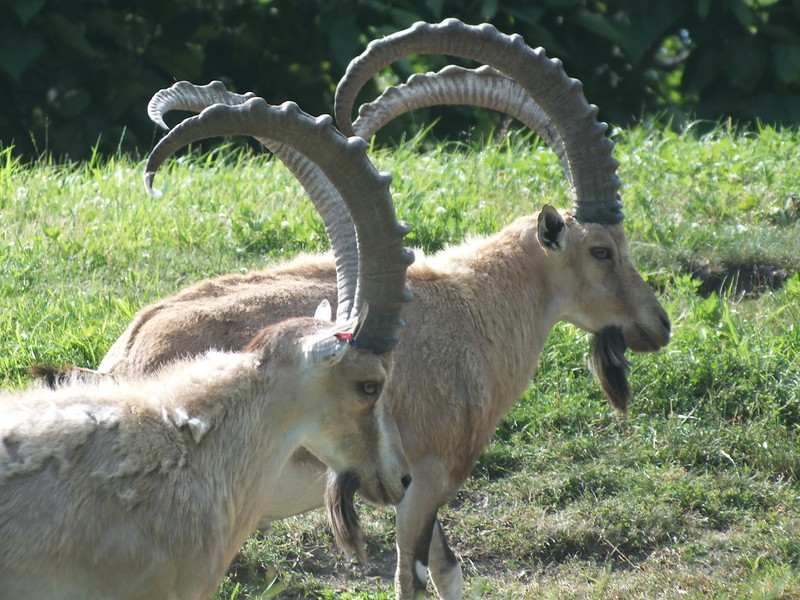
Photo Credit : Mo Hassan
The Big Five of Ethiopia
Ethiopia’s Big Five refers to the five most iconic and sought-after animals for wildlife enthusiasts visiting Ethiopia. These include the Ethiopian wolf, African elephant, lion, black rhinoceros, and leopard. Each of these species is unique and holds a special place in Ethiopia’s diverse animal kingdom.
Ethopian Wolf
The Ethiopian wolf is one of the rarest canids in the world, with an estimated population of only 400 individuals left in the wild. These wolves are slender and have long legs with a distinctive reddish coat. They live in the highlands of Ethiopia and are primarily found in Bale Mountains National Park. Ethiopian wolves are social animals and live in packs of up to 13 individuals. They feed mainly on rodents and can be seen hunting in open grasslands or rocky areas. Tours and guided hikes in the Bale Mountains National Park offer excellent opportunities to see these fascinating creatures in their natural habitat.
African elephants
African elephants are the largest land animals on earth and are found throughout sub-Saharan Africa, including Ethiopia. They have long trunks and tusks, and their skin is grayish-brown with a wrinkled texture. Ethiopian elephants are unique because they are smaller than their counterparts in other parts of Africa. They live in the forests and savannas of Ethiopia and can be seen in several national parks, including Mago and Omo National Parks. Guided tours and safaris offer opportunities to see these majestic creatures up close.
Lions are a symbol of strength and power and are found throughout sub-Saharan Africa, including Ethiopia. They have a golden brown coat and males have a distinctive mane of hair around their necks. Ethiopian lions are found in the savannas and grasslands of the country, and the best places to see them are in national parks like Mago and Omo. Guided tours and safaris offer opportunities to see these Ethiopian animals in their natural habitat.
Black rhinoceroses
Black rhinoceroses are one of the most critically endangered animals in Africa, and Ethiopia is home to the Eastern black rhino subspecies. These animals are distinguished by their hooked upper lip and two horns. They are found in the savannas and grasslands of Ethiopia, and the best places to see them are in national parks like Mago and Omo. Guided tours and safaris offer opportunities to see these magnificent creatures up close.
Leopards
Leopards are one of the most elusive of the Big Five animals of Ethiopia and are known for their striking spotted coat. They are found throughout Africa, including Ethiopia, and are most commonly found in the country’s forests and savannas. The best places to see them are in national parks like Mago and Omo. Guided tours and safaris offer opportunities to see these elusive predators in their natural habitat.
To sum it up, Ethiopia’s Big Five comprises some of the world’s most iconic and sought-after animals. These species are unique and hold a special place in Ethiopia’s diverse animal kingdom. Guided tours and safaris offer excellent opportunities to see these animals up close, and responsible tourism practices and support for conservation efforts are crucial to ensuring their survival for generations to come.
Other notable animals in Ethiopia
Ethiopia is a country that boasts an incredible array of wildlife beyond the famous Big Five. Here are five other notable animals found in Ethiopia.
Gelada baboons, also known as bleeding-heart baboons, are endemic to the Ethiopian highlands. They have a distinctive appearance, with a shaggy brown mane and a red patch of skin on their chest. They live in large social groups, with up to 600 individuals, and are primarily herbivores, feeding on grasses and roots. Visitors can see gelada baboons in the Simien Mountains National Park, where they can be observed up close on guided hikes.
2.Nubian ibex
Nubian ibex are a type of wild goat found in the rocky mountains of Ethiopia’s northern and eastern regions. They have long, curved horns and are well adapted to life in the rugged terrain. Nubian ibex are herbivores, feeding on a variety of vegetation, including grasses and shrubs. Visitors can see Nubian ibex in the Semien Mountains National Park and the Awash National Park, where they can be observed on guided hikes and treks of animals of Ethiopia.
3.Ethiopian hare
The Ethiopian hare is a fast and elusive animal that inhabits the open grasslands and woodlands of Ethiopia. They are known for their long ears and powerful legs, which enable them to reach speeds of up to 45 miles per hour. Ethiopian hares are herbivores, feeding on grasses and other vegetation. Visitors can see Ethiopian hares in the Bale Mountains National Park, where they can be observed on guided hikes and safaris.
The Ethiopian hyena is a large carnivorous mammal found in the grasslands and woodlands of Ethiopia. They have a distinctive appearance, with a powerful build, short fur, and a sloping back. Ethiopian hyenas are primarily scavengers, feeding on carrion and the remains of other animals. Visitors can see Ethiopian hyenas in the Bale Mountains National Park and the Awash National Park, where they can be observed on guided night safaris.
5. Hamadryas baboon
The Hamadryas baboon is a species of baboon found in the rocky deserts and savannas of Ethiopia. They have a distinctive appearance, with a silver-grey mane and a long, pointed tail. Hamadryas baboons are omnivores, feeding on a variety of foods, including fruits, insects, and small animals. Visitors can see Hamadryas baboons in the Awash National Park and the Simien Mountains National Park, where they can be observed on guided hikes and treks.
After all, Ethiopia is a country with an incredible diversity of wildlife, including the famous Big Five Ethiopian animals and many other notable animals. Visitors to Ethiopia can explore its national parks and reserves, go on guided tours and safaris, hike and trek through its wilderness areas, and learn about the cultural significance of its wildlife. With responsible tourism practices and support for conservation efforts, visitors can have a once-in-a-lifetime experience while also helping to protect Ethiopia’s unique and precious wildlife
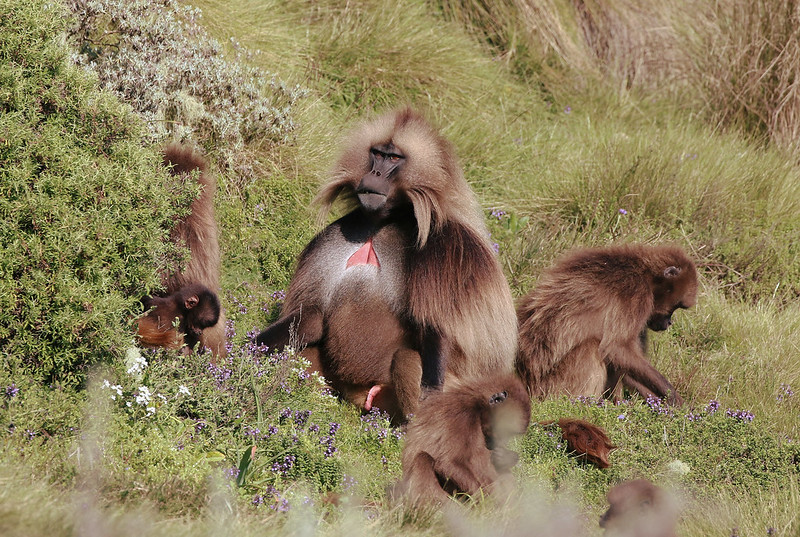
Photo Credit : Lech Stempniewicz
Tours and activities for wildlife viewing
Ethiopia is home to a vast array of wildlife, and there are several ways for visitors to experience these creatures in their natural habitats. Here are some of the most popular tours and activities for wildlife viewing in Ethiopia:
National Parks and Reserves
Ethiopia boasts a number of national parks and reserves that are home to a diverse range of wildlife. The Bale Mountains National Park is a prime example, with opportunities to see the Ethiopian wolf, Bale monkey, and many other species. Similarly, the Simien Mountains National Park is known for its baboons, ibex, and gelada monkeys, while the Awash National Park is home to African elephants, lions, and over 450 bird species.
Guided Tours and Safaris
For visitors who want to maximize their chances of seeing Ethiopia’s wildlife, a guided tour or safari is an excellent option. Experienced guides can take visitors to the best spots for viewing animals, and can provide valuable insights into the behavior and ecology of different species. There are several companies offering guided tours and safaris in Ethiopia, including Wildlife Tours Ethiopia and Ethio Tours.
Many of Ethiopia’s national parks and reserves are best explored on foot, and hiking and trekking tours are a great way to get up close and personal with the country’s wildlife. For example, the Bale Mountains offer excellent opportunities for multi-day treks, with the chance to spot wolves, monkeys, and other animals along the way. Similarly, the Simien Mountains offer stunning hiking trails and the chance to see baboons and gelada monkeys.
Bird Watching Tours
With over 800 bird species, Ethiopia is a bird watcher’s paradise. Some of the best places for bird watching include the Awash National Park, the Bale Mountains, and the Rift Valley lakes. There are several bird watching tours available, such as the Ethiopian Birding and Wildlife Tour offered by Birding Africa.
Cultural Tours with Wildlife Experiences
Ethiopia’s culture is deeply intertwined with its wildlife, and many cultural tours offer the chance to see animals in their natural habitats while learning about traditional customs and practices. For example, the Hamer Tribe Cultural Tour includes a visit to the Omo Valley and the chance to see crocodiles and hippos along the Omo River.
Cultural significance of wildlife in Ethiopia
Ethiopia’s rich cultural heritage is intertwined with its wildlife, and various animals hold significant meanings in the country’s folklore and traditions. Many local communities have long-standing relationships with animals and believe that certain species possess spiritual and healing powers.
Folklore and traditions
Ethiopian folklore is full of stories and legends about animals. The gelada baboon, for instance, is known as the “bleeding-heart baboon” due to the red patch of skin on its chest, which folklore attributes to a broken heart caused by unrequited love. The baboon is also believed to be a messenger of peace, and it’s taboo to harm or kill them. Ethiopian wolves are considered to be protectors of the environment and are highly respected in the country’s highlands.
Ethiopian artists and craftspeople have long been inspired by the country’s wildlife. The ibex, for instance, is a common motif in traditional Ethiopian textiles, and images of lions and elephants are often found in jewelry and other decorative arts. Sculptures of animals made from wood or stone are also popular, with many depicting the Ethiopian wolf or the country’s endemic gelada baboon.
Ethiopian cuisine is renowned for its diverse flavors and unique cooking techniques. Many dishes feature locally sourced meat, including beef, goat, and lamb. While it’s not common to eat game meat, some traditional dishes do include wild animals such as hyena and ostrich. Hunting these animals is illegal in Ethiopia, and the government has made efforts to enforce conservation laws to protect wildlife populations.
Conservation and community involvement
Ethiopia is home to many conservation organizations that work to protect the country’s wildlife and habitats. Some of these organizations also work closely with local communities, providing education and training on sustainable land use practices and involving them in conservation efforts. Community-based tourism initiatives, such as homestays and cultural tours, offer visitors the opportunity to learn about the culture and traditions of local communities while supporting their livelihoods.
Conclusion
Ethiopia offers a diverse and unique array of wildlife that is a must-see for any nature enthusiast. From the iconic Big Five to lesser-known species such as the Gelada baboon and Ethiopian hare, there are plenty of opportunities for wildlife viewing through guided tours and safaris, hiking and trekking tours, bird watching tours, and cultural tours. As visitors experience the culture and traditions of Ethiopia, it is important to practice responsible tourism and support conservation efforts to protect the wildlife for future generations. We invite you to explore Ethiopia’s wildlife and culture firsthand and be part of the effort to preserve this incredible heritage.
FAQs
What animal is only found in Ethiopia?
The Ethiopian wolf is only found in Ethiopia.
What are common animals in Ethiopia?
Common animals in Ethiopia include African elephants, lions, black rhinoceroses, leopards, gelada baboons, Nubian ibexes, Ethiopian hares, Ethiopian hyenas, and hamadryas baboons.
Does Ethiopia have tigers?
No, Ethiopia does not have tigers. Tigers are native to Asia, not Africa.
Why is Ethiopia rich in wildlife?
Ethiopia is rich in wildlife due to its diverse habitats, including savannas, mountains, forests, and deserts, which provide habitats for a wide range of animal species.

