

Black lions Ethiopia
Are you looking for an exciting and unique wildlife adventure for your next vacation? Do you want to experience the thrill of seeing one of the rarest and most fascinating animals on the planet? Look no further than Ethiopia, home to the mysterious and elusive black lions. In this article, we have explored the history, current status, and conservation efforts of these majestic creatures, as well as the best opportunities for tourists to see them in their natural habitat.
Additionally, we have highlighted the cultural and tourist attractions that Ethiopia has to offer, providing practical tips for travelers to make the most of their visit. Don’t miss out on the chance to witness the wonder of black lions in Ethiopia – start planning your trip today!
Ethiopia is a land of diverse wildlife and culture, but there is one species that stands out from the rest – the black lion. This unique species is found only in Ethiopia, making it a major attraction for tourists from all over the world. Black lions have a special significance in Ethiopian culture and history, and they are also a symbol of the country’s commitment to conservation. In this article, we will delve into the fascinating world of black lions in Ethiopia. We will explore their historical background, current status, and the efforts being made to protect them. We will also discuss the opportunities for tourists to see black lions in the wild, along with the cultural and tourist attractions that Ethiopia has to offer.
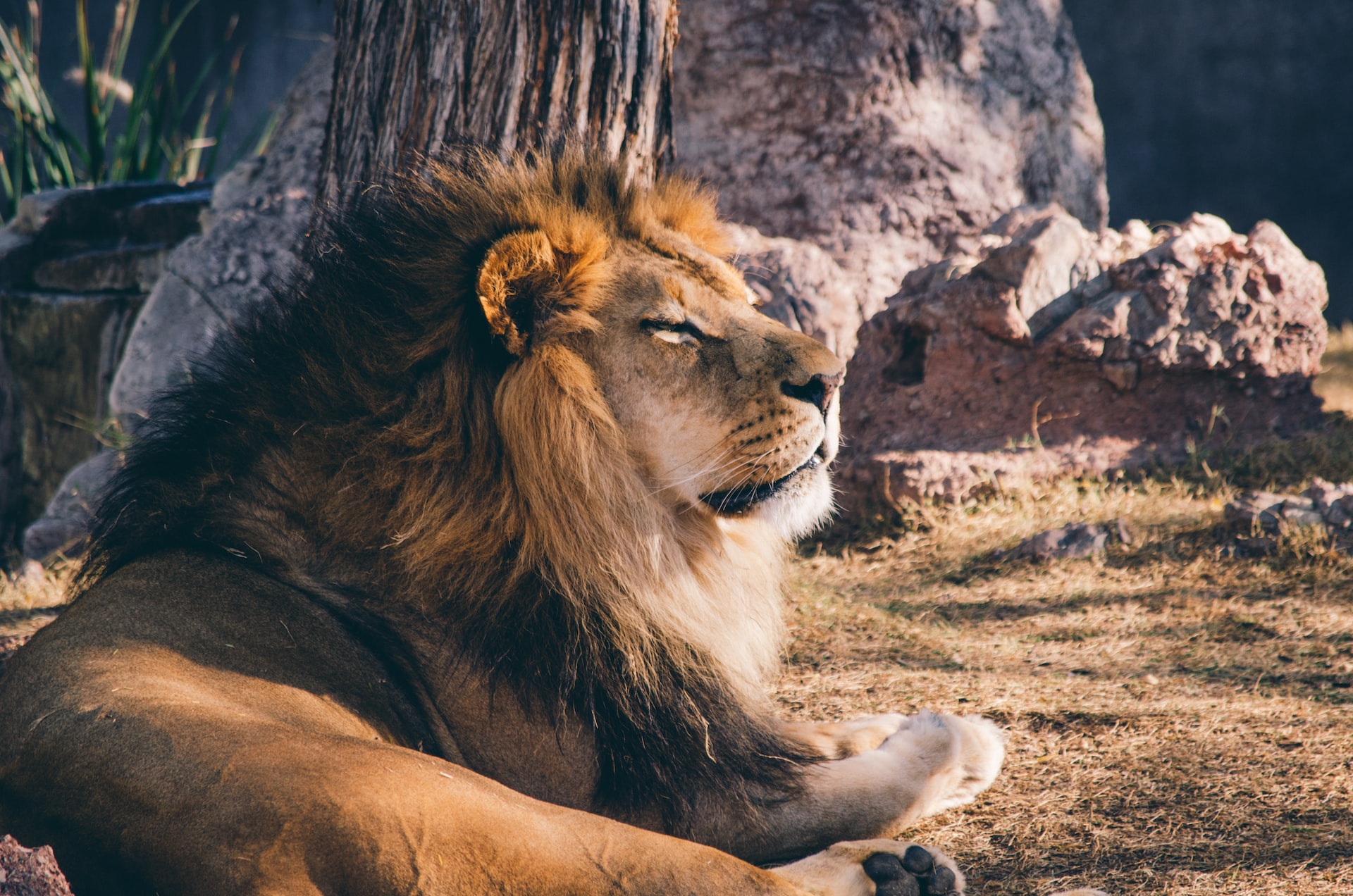
Historical Background of Black Lions in Ethiopia
The black lion, also known as the Ethiopian lion or Abyssinian lion, has a rich history in Ethiopia. It is believed that the black lion’s dark coat color is a result of a genetic mutation that occurred thousands of years ago. In Ethiopian mythology and culture, black lions are revered as symbols of strength, power, and royalty.
One of the most famous legends surrounding the black lion is that of the Queen of Sheba, who is said to have brought a black lion as a gift to King Solomon. The lion was said to have been so impressive that it became a symbol of Ethiopian royalty and was used in the country’s coat of arms. Another legend is that black lions were once common throughout Ethiopia, but their numbers dwindled as they were hunted for their beautiful black manes.
Historically, black lions were found throughout Ethiopia, but today they are limited to a few isolated areas. The decline in their population is due to habitat loss, poaching, and hunting. As a result, black lions are now considered an endangered species.
Despite the challenges, there are ongoing efforts to protect and conserve black lions in Ethiopia. The Ethiopian Wildlife Conservation Authority has designated several protected areas for black lions, including the Semien Mountains National Park and the Bale Mountains National Park. These areas are home not only to black lions but also to other unique wildlife species, such as the Ethiopian wolf and the Gelada baboon.
For tourists, seeing a black lion in the wild is a truly unforgettable experience. However, it is important to note that black lions are elusive and sightings are rare. The best time to see them is during the dry season, when they are more likely to be spotted near water sources.
In addition to wildlife, Ethiopia has a rich cultural and historical heritage that is worth exploring. You can explore ancient ruins, such as the city of Aksum and the rock-hewn churches of Lalibela. They can also experience the country’s vibrant culture through music, dance, and traditional festivals, such as the Timkat festival, which celebrates the Ethiopian Orthodox Epiphany.
Current Status of Black Lions in Ethiopia
The black lion, also known as the Abyssinian lion, is a rare and unique species that is native to Ethiopia. These majestic creatures are known for their dark fur and are believed to be the result of a genetic mutation. Unfortunately, the black lion is considered an endangered species, with only a few individuals left in the wild.
The current population of black lions in Ethiopia is estimated to be less than 100 individuals. They are found in the Bale Mountains National Park and the Simien Mountains National Park, which are both located in the northern part of the country. These parks are home to a variety of other wildlife, such as the Ethiopian wolf, the gelada baboon, and the walia ibex, making them popular destinations for tourists interested in wildlife conservation and adventure tourism.
Conservation efforts are being made to protect the remaining population of black lions in Ethiopia. The Ethiopian Wildlife Conservation Authority, along with international organizations, has been working to improve the conservation status of the species. These efforts include improving the management of national parks and wildlife reserves, as well as educating local communities on the importance of wildlife conservation.
Furthermore, local communities have been involved in conservation efforts, such as providing alternative livelihoods for those who rely on natural resources and promoting eco-tourism. These efforts not only benefit the black lion population but also support sustainable development and provide economic benefits for local communities.
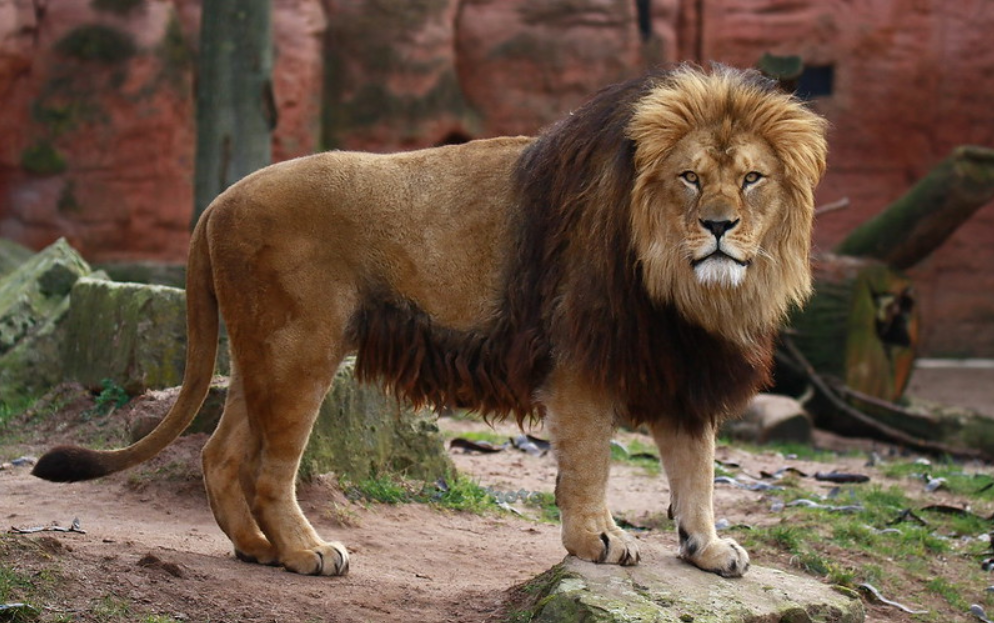
Photo Credit : Paul Noodles
Opportunities for Tourists to See Black Lions in Ethiopia
Ethiopia is a haven for wildlife enthusiasts, and black lions are just one of the many unique and exotic species that can be found in this African nation. For you who are keen to see these rare animals in the wild, there are several national parks and wildlife reserves to explore.
The Simien Mountains National Park is a popular destination for travellers who want to see black lions in their natural habitat. Located in the northern part of Ethiopia, this park is home to several hundred Ethiopian wolves, as well as baboons, gelada monkeys, and other rare animals. The best time to see black lions in the Simien Mountains is during the dry season, which runs from October to March.
Another excellent destination for seeing black lions is the Bale Mountains National Park, located in the southeastern part of Ethiopia. This park is home to an estimated 200 black lions, as well as rare species such as the Ethiopian wolf and the mountain nyala. You can embark on guided treks to see these magnificent creatures up close, and the best time to visit is during the dry season, which runs from November to March.
For those who want to see black lions in a more controlled environment, the Addis Ababa Lion Zoo is a great option. This zoo has a successful breeding program for black lions and other rare species, and you can learn about the conservation efforts being made to protect these animals from extinction.
It’s important to note that black lions are an endangered species, and tourists should always be respectful of their habitat and behavior. You should never approach black lions or attempt to feed them, as this can be dangerous for both the animals and the humans. Instead, you should always follow the guidance of their tour guides and wildlife experts, who can ensure a safe and enjoyable experience for all.
Cultural and Tourist Attractions in Ethiopia

Photo credit : Merlin Photostream
Ethiopia is a land of cultural and historical richness, with a wide range of attractions that are sure to captivate any visitor. From ancient churches and castles to vibrant festivals and natural wonders, Ethiopia offers a unique blend of adventure, history, and culture.
One of the most iconic attractions in Ethiopia is Lalibela, a UNESCO World Heritage Site that is home to 11 ancient rock-hewn churches. Carved out of solid volcanic rock in the 12th century, these churches are a testament to the architectural and artistic prowess of the medieval Ethiopians. The churches are still in use today, and you can attend religious ceremonies and witness the vibrant local culture.
Another must-see destination is the city of Gondar, also known as the “Camelot of Africa.” Here, you can explore the impressive 17th-century castles and palaces of the Ethiopian emperors, as well as the Debre Berhan Selassie Church, which is adorned with stunning frescoes and murals.
For those looking for a more adventurous experience, Ethiopia offers a wide range of natural attractions and outdoor activities. The Simien Mountains National Park, a UNESCO World Heritage Site, is home to some of the most breathtaking landscapes in Africa, including jagged peaks, deep gorges, and spectacular waterfalls. You can go hiking, birdwatching, and wildlife spotting, with the chance to see endemic species such as the Gelada baboon and the Ethiopian wolf.
Ethiopia is also a premier destination for wildlife safaris, with several national parks and reserves offering the chance to see a wide range of species, including elephants, giraffes, zebras, and of course, black lions. The Omo Valley, located in the southwest of the country, is home to several ethnic groups with unique cultures and traditions, making it a popular destination for cultural tours.
One of the most exciting aspects of visiting Ethiopia is experiencing its vibrant festivals and celebrations. The Timket festival, also known as Epiphany, is one of the most significant events in the Ethiopian Orthodox Church, and is celebrated with colorful processions, traditional music, and dancing. The Meskel festival, which commemorates the discovery of the True Cross, is another popular event, with a massive bonfire and colorful celebrations.
Tips for Traveling to Ethiopia
Planning a trip to Ethiopia can be an exciting and fulfilling experience, but it is important to be well-prepared in order to ensure a smooth and enjoyable journey. Here are some practical tips to consider when planning your trip to Ethiopia.
Visa Requirements:
All foreign visitors to Ethiopia are required to obtain a visa before arrival. You can apply for a visa online or through Ethiopian embassies and consulates. It is advisable to apply for a visa at least two weeks prior to your intended travel date to allow sufficient processing time.
Transportation:
Ethiopia has a variety of transportation options, including buses, minibusses, taxis, and domestic flights. Buses are the most common and affordable form of transportation, but they can be crowded and uncomfortable. Minibusses are smaller and faster than buses, but they can also be cramped and uncomfortable. Taxis are widely available in major cities and are generally safe and affordable. Domestic flights are available through Ethiopian Airlines and other local carriers.
Accommodations:
Ethiopia has a range of accommodations to suit different budgets and preferences, from luxury hotels and resorts to budget guesthouses and hostels. Major cities like Addis Ababa and Bahir Dar have a variety of accommodations to choose from, while smaller towns and villages may have limited options.
Cultural Norms and Customs:
Ethiopia has a rich cultural heritage and visitors are expected to be respectful of local customs and traditions. Dress modestly, particularly when visiting religious sites. It is also customary to remove shoes before entering a home or place of worship. Ethiopian cuisine is diverse and delicious, but be cautious of eating raw or undercooked meat, as well as fruits and vegetables that may have been washed in contaminated water.

Photo Credit : Roy Smith
FAQs
Are there black lions in Ethiopia?
Yes, black lions are found in Ethiopia.
How many black lions are there in Ethiopia?
The population of black lions in Ethiopia is unknown, but they are considered to be a rare and endangered species.
Where is black lion found in Ethiopia?
Black lions can be found in different national parks and wildlife reserves in Ethiopia such as the Bale Mountains National Park, the Simien Mountains National Park, and the Yabelo Wildlife Sanctuary.
Did Ethiopians use lions to fight?
Yes, there are historical records of Ethiopians using lions in warfare, particularly during the reign of Emperor Haile Selassie in the early 20th century. However, this practice is no longer a part of modern Ethiopian culture.

