

Introduction To The Danakil Depression
Are you thinking of visiting Ethiopia? Is the Danakil Depression, the hottest place on earth is in your bucket list? Are you looking to get everything you need to know to organize your vacation to this depression? Your search ends here as this article explains everything in detail about the trip to the Danakil.
The Danakil Depression is a remarkable natural wonder located in northeastern Ethiopia. It is known for its unique and otherworldly landscapes, which feature volcanic formations, salt flats, and colorful geothermal features. The Danakil Depression is considered one of the hottest and driest places on earth, with temperatures that can reach up to 50 degrees Celsius. Despite the extreme conditions, the Danakil Depression attracts adventurous travelers from all over the world who are drawn to its beauty and otherworldly charm.
In this article, we’ll take a closer look at the Danakil Depression, including how it was formed, how to get there, and what to expect when you arrive. Whether you’re a nature lover, a photographer, or a cultural enthusiast, the Danakil Depression is an amazing Ethiopian destination that should be on your travel bucket list.
How The Danakil Depression Formed?
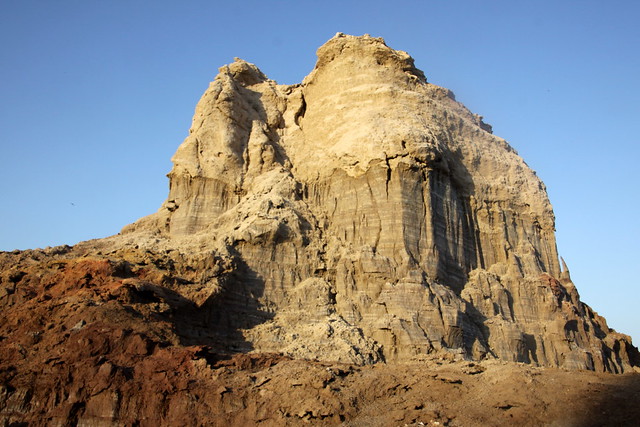
The Danakil Depression is a geological wonder that was formed by a combination of tectonic and volcanic activity. The area is situated on the East African Rift System, which is a series of deep fissures in the earth’s crust. This rift system is caused by the separation of the African Plate from the Arabian Plate, resulting in the creation of a low-lying basin that is now the Danakil Depression.
Over millions of years, the region has experienced intense volcanic activity, resulting in the formation of several volcanoes, including Erta Ale and Dabbahu. These volcanoes have produced vast amounts of lava and ash, which have contributed to the unique landscape of the Danakil Depression.
The area is also home to several salt flats, which were formed as a result of tectonic activity. The movement of the earth’s crust caused the formation of a depression, which was then filled with seawater. Over time, the water evaporated, leaving behind vast salt flats.
Today, the Danakil Depression continues to be shaped by tectonic and volcanic activity, with new fissures and hot springs appearing regularly. Despite the harsh conditions, the region is home to a diverse range of flora and fauna, including several species that are found nowhere else in the world.
Getting To Danakil: The Journey To The Danakil Depression
Getting to the Danakil Depression can be an adventure in itself, with a range of transportation options available for travelers. The journey from the Ethiopian capital of Addis Ababa to the Danakil Depression can take anywhere from 2 to 3 days, depending on your mode of transportation and the route you choose to take.
By Air:
The quickest and most convenient way to get to the Danakil Depression is by air. Flights operate from Addis Ababa to the nearby city of Mekelle and Semera, which are the gateway to the Danakil Depression. From there, you can arrange for a 4×4 vehicle to take you on the remainder of the journey.
By Vehicle:
If you prefer to travel overland, you can arrange for a 4×4 vehicle from Addis Ababa to take you to the Danakil Depression. The journey takes around 2-3 days, depending on the route you take. You will pass through several towns and villages on the way, including the historic city of Axum.
Other ideas:
Some tour operators offer group tours that include transportation to the Danakil Depression as part of their package.
Another option is to join a camel trekking tour, which can be an exciting and authentic way to experience the region. However, this option is only recommended for experienced travelers and those comfortable with rough conditions.
Things to keep in mind:
The roads to the Danakil Depression can be rough and unpaved, so it’s important to choose a reliable 4×4 vehicle and driver.
It’s recommended to travel with an experienced guide who knows the area well and can provide valuable insights into the region’s history and culture.
Travelers should be prepared for extreme weather conditions, including high temperatures and harsh desert winds. It’s important to bring appropriate clothing and gear to stay safe and comfortable.
Activities And Attractions: The Best Things To Do In Danakil
The Danakil Depression is a unique destination that offers a range of activities and attractions for you. Here are some of the top things to see and do in the region:
Erta Ale Volcano: Erta Ale is one of the most active volcanoes in the world and is a must-see attraction for you to the Danakil Depression. The hike to the volcano takes around 3-4 hours and offers stunning views of the lava lake.
Dallol: Dallol is a colorful geothermal area located in the Danakil Depression. The area is home to a variety of vibrant colors and unique formations, including salt terraces, hot springs, and acid lakes.
Salt Flats: The Danakil Depression is home to several vast salt flats, including the massive Lake Assal. You can take a walk on the salt flats and see how the local Afar people extract salt from the ground.
Camel Trekking: For a more authentic experience, you can take a camel trekking tour through the Danakil Depression. This is a great way to see the area’s rugged beauty and learn more about the local culture and way of life.
Afar Villages: You can also visit the traditional Afar villages that dot the Danakil Depression. This is a great opportunity to learn about the local culture and see how the Afar people live in such a harsh environment.
Hot Springs: The Danakil Depression is home to several hot springs, including the Bario and Asebo hot springs. These natural hot springs are a great place to relax and unwind after a day of exploring the region.
Wildlife: Despite the harsh conditions, In the Danakil Depression we see limited animals; Dorcas gazelle, and several species of bird.
Photography: With its otherworldly landscapes and vibrant colors, the Danakil Depression is a paradise for photographers. You can capture stunning images of the region’s volcanic formations, salt flats, and geothermal features.
Cultural Experience In Danakil
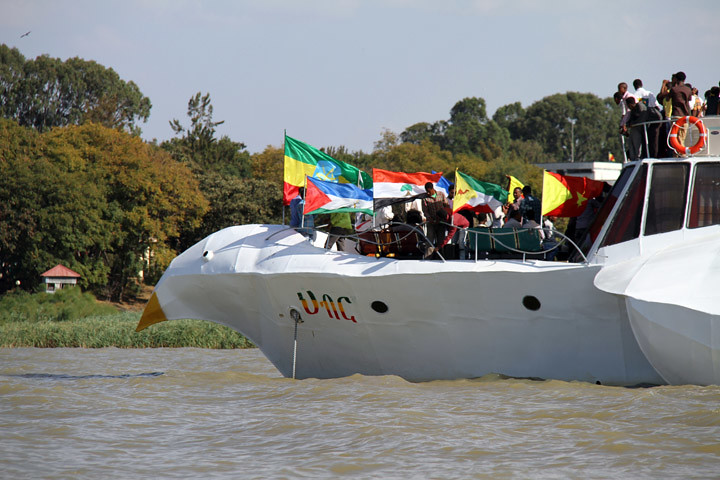
The Danakil Depression is not only known for its breathtaking landscapes and unique geological features, but it is also home to several ethnic groups with a rich culture and history. A cultural experience in Danakil is a great way to connect with locals, learn about their customs and traditions, and gain a deeper understanding of this fascinating region. Here are some points to highlight the cultural experiences that you can enjoy in Danakil:
Visit traditional Afar villages: The Afar people are the main ethnic group in the Danakil Depression, and you can immerse themselves in their way of life by visiting traditional Afar villages. Here, you can learn about Afar customs and traditions, watch traditional dances, and even participate in activities like salt extraction.
Attend a camel market: Camel markets are an important part of Afar culture, and you can witness the hustle and bustle of these markets in towns like Berhale and Hamed Ela. Here, you can see locals trading camels, goats, and other livestock, and learn about the significance of these animals in Afar culture.
Try local cuisine: Ethiopian cuisine is famous around the world, and the Danakil region has its own unique dishes that are worth trying. You can sample traditional Afar dishes like maraq (a spicy soup made with meat and vegetables) and injera (a sourdough flatbread served with stews and vegetables).
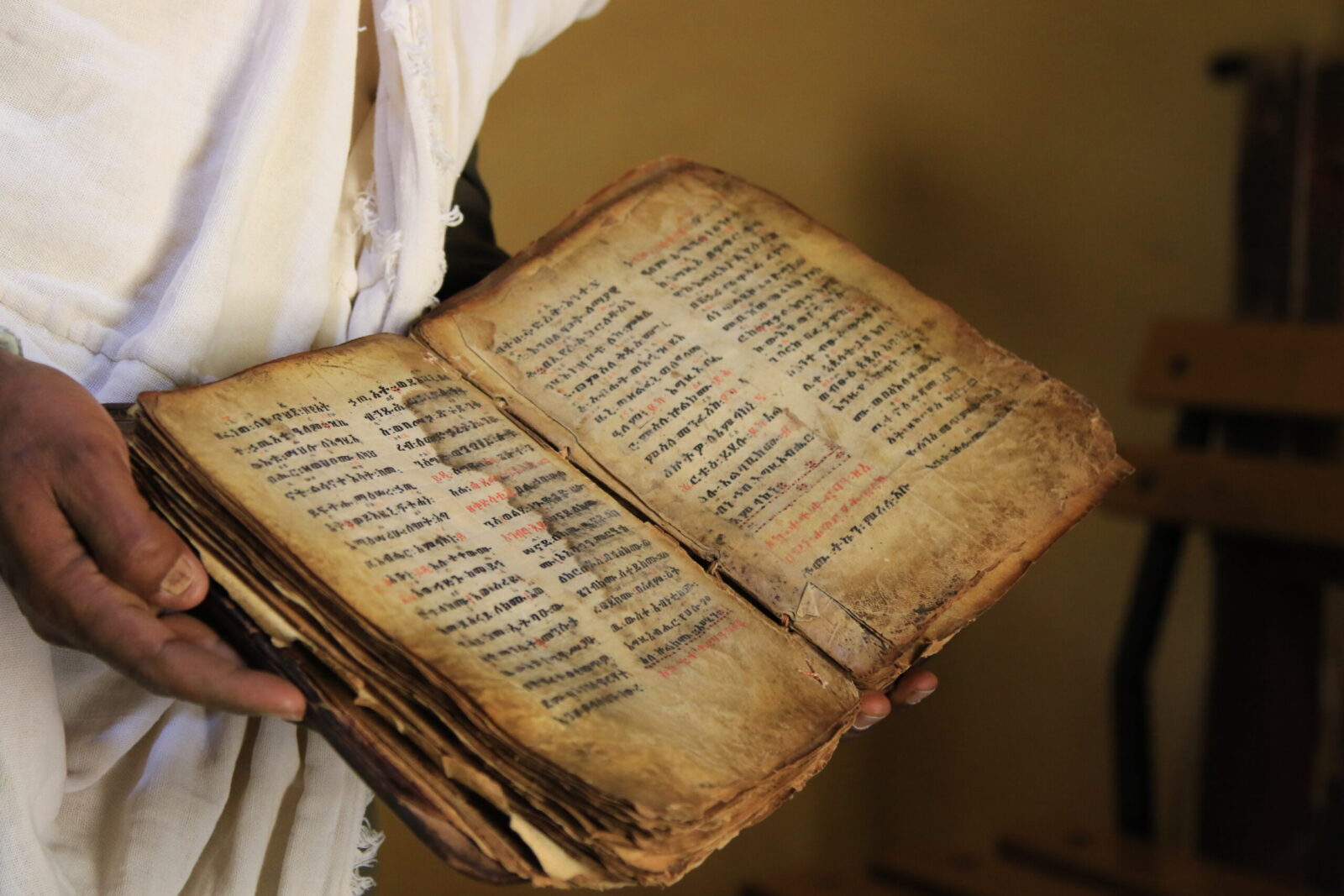
Visit rock-hewn churches: The Tigray region, located near the Danakil Depression, is home to several rock-hewn churches that date back to the 5th and 6th centuries. You can explore these ancient churches, which are carved into cliffs and offer stunning views of the surrounding landscape.
Learn about the history of the region: The Danakil Depression has a rich history that spans back thousands of years, and you can learn about the region’s past by visiting museums and historical sites. The National Museum of Ethiopia in Addis Ababa has several exhibits that showcase the history and culture of the region.
Photography Opportunities In The Danakil Depression
The Danakil Depression is a photographer’s paradise, with its stunning landscapes, unique geological features, and fascinating culture. Whether you’re a professional photographer or just someone who loves to capture beautiful moments, there are plenty of photography opportunities in Danakil that will leave you breathless.
The colorful Dallol landscape: Dallol is one of the most popular attractions in the Danakil Depression, and for good reason. The vibrant colors of the landscape, including bright yellows, greens, and blues, are a result of the volcanic activity in the region. Photographers can capture stunning images of the unique landscape and the people who work in the area, extracting salt from the nearby mines.
The salt flats: The salt flats in the Danakil Depression are a photographer’s dream, with their stark white color and geometric shapes. Photographers can capture stunning images of the workers as they extract salt from the flats using traditional methods, or the camel caravans that transport the salt across the desert.
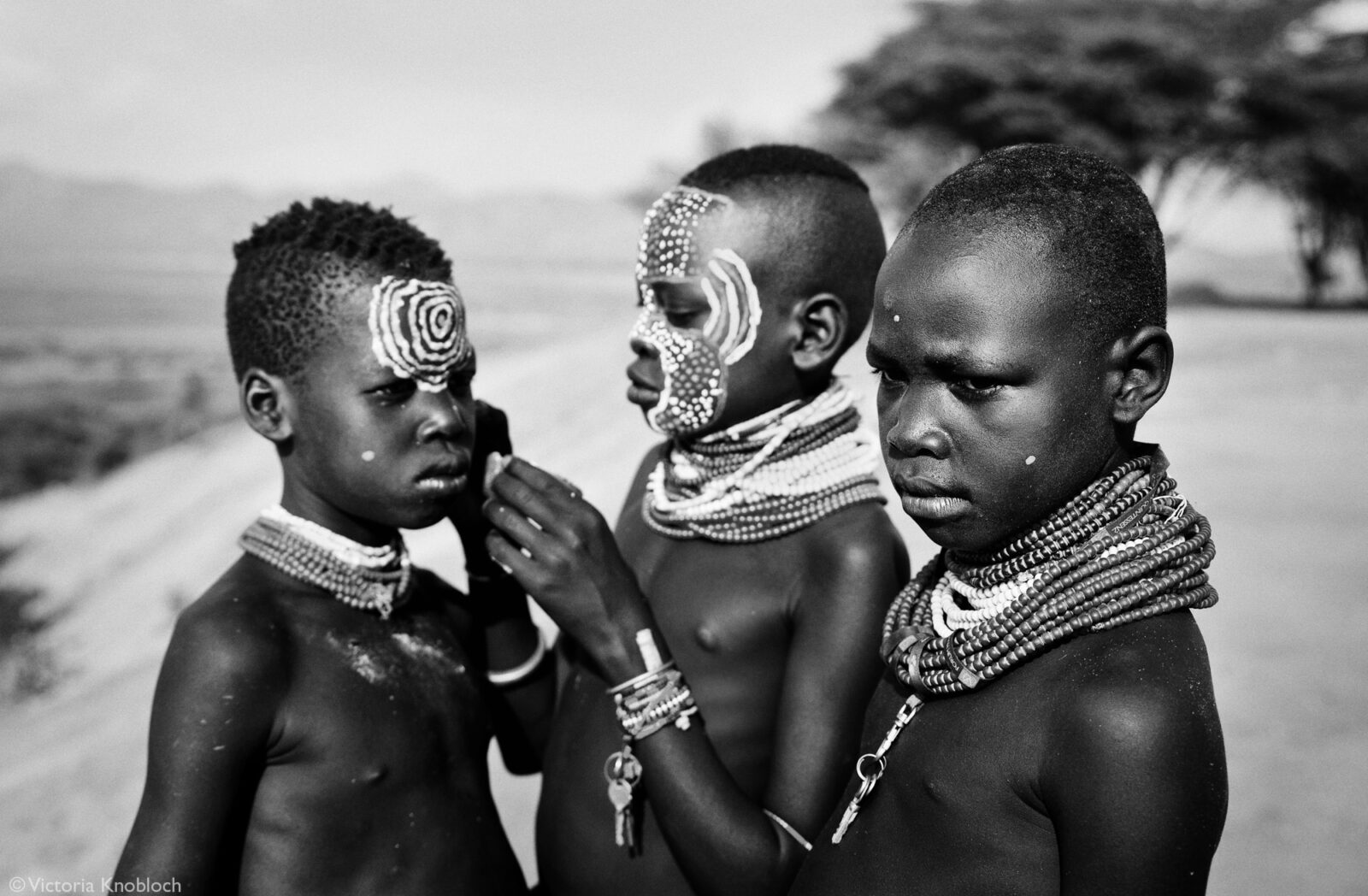
The Afar people: The Afar people, who are the main ethnic group in the Danakil Depression, have a unique culture and appearance. Photographers can capture stunning images of the Afar people in their traditional dress, or documenting their daily activities like herding livestock or working in the salt mines.
The rock-hewn churches: The Tigray region, located near the Danakil Depression, is home to several rock-hewn churches that date back to the 5th and 6th centuries. Photographers can capture stunning images of the ancient churches, which are carved into cliffs and offer stunning views of the surrounding landscape.
The starry nights: With its remote location and lack of light pollution, the Danakil Depression is a great place to capture stunning images of the night sky. Photographers can capture breathtaking images of the Milky Way and other celestial bodies.
The Best Time Of Year To Visit The Danakil Depression
The best time of year to visit the Danakil Depression depends on several factors, including temperature, rainfall, and cultural events.
October to March: This is considered the best time of year to visit the Danakil Depression as the temperatures are milder and there is very little rainfall. The cooler temperatures make it easier to explore the region’s attractions, such as the salt flats and the rock-hewn churches, without the discomfort of extreme heat.
April to June: The temperatures in the Danakil Depression can soar to well over 100 degrees Fahrenheit during this period, making it challenging to explore the region. However, if you are looking for a unique adventure, this is the time of year to visit the Danakil Depression as you can witness the traditional salt mining practices of the Afar people.
July to August: This is the rainy season in the Danakil Depression, which makes it difficult to access some of the region’s attractions. However, if you are interested in witnessing the traditional camel caravan trade routes that have existed for centuries, this is the best time to visit as they are more active during this period.
Cultural events: The Danakil Depression is home to several cultural events that can provide a unique insight into the region’s culture and traditions. The Gheralta Festival, which takes place in September, is one such event where the Afar people come together to celebrate their culture and heritage.
Local Markets In Danakil
One of the best ways to experience the local culture of the Danakil Depression is by visiting the region’s bustling markets. These markets offer a glimpse into the daily lives of the Afar people who have lived in the region for centuries. From exotic spices to traditional handicrafts, the local markets in Danakil are full of unique treasures waiting to be discovered.
Hamed Ela Market: This is one of the largest and most vibrant markets in the region. It is held every Monday and Thursday, and it attracts traders from across the Afar region who come to buy and sell livestock, grains, and other essentials.
Kursuwad Market: This market is located in the small town of Kursuwad and is known for its colorful display of spices and traditional fabrics. You can find everything from fragrant cloves to intricately woven baskets.
Berahile Market: This market is located near the town of Berahile and is a popular stop for travelers on their way to the Danakil Depression. It offers a wide range of goods, including fruits, vegetables, and traditional handicrafts.
Dallol Market: This market is located in the heart of the Danakil Depression and is known for its unique display of salt blocks. The Afar people have been mining salt from the region for centuries, and you can witness the traditional salt mining practices that are still in use today.
Camel Caravan Markets: These markets are held along the traditional camel caravan trade routes that crisscross the Danakil Depression. You can witness the traditional trading practices of the Afar people and purchase goods such as salt, spices, and traditional fabrics.
The Available Accommodations In Danakil
While the Danakil Depression is known for its extreme temperatures and harsh environment, there are still several accommodations available for you who wish to explore the region. From basic camping sites to more luxurious lodges, there are options to suit all budgets and preferences.
Camping: For you who want to experience the true wilderness of the Danakil Depression, camping is a popular option. There are several designated camping areas throughout the region, where you can pitch their own tents and enjoy a basic but comfortable camping experience.
Traditional Huts: Some operators offer traditional Afar huts as an accommodation option. These huts are built using local materials and offer a unique cultural experience for you.
Lodge Accommodations: Lodges and hotels are only available in Semera and Mekele. The only available means to stay are traditional Afar huts with mattresses.
Guesthouses: There are no guest houses available in the Danakil Depression. But in Mekele and Semera guesthouses offer basic amenities and are a great option for budget travelers.
Safety Tips
Visiting the Danakil Depression is an unforgettable experience, but it’s important to keep in mind that the region can be challenging and potentially dangerous for you. While many tour operators take the necessary precautions to ensure their guests’ safety, you should also be aware of the potential risks and take steps to minimize them.
Hire a reputable tour operator: The Danakil Depression is not a place to explore on your own, so it’s important to choose a reputable tour operator. We, GishAbay Ethiopia tours, are a reputable, authentic and most reliable tour operator in Ethiopia. We will make your trip to Danakil once in a lifetime.
Bring appropriate clothing and gear: The Danakil Depression is one of the hottest places on Earth, with temperatures that can exceed 120°F. You should dress in lightweight, breathable clothing, and bring plenty of water, sunscreen, and a hat. It’s also a good idea to bring sunglasses and a scarf to protect against blowing sand.
Follow your guide’s instructions: Your guide is there to keep you safe, so it’s important to follow their instructions. Don’t stray from the group, and stay within designated areas to avoid potential hazards.
Be aware of your surroundings: The Danakil Depression can be a harsh and unforgiving environment, so it’s important to be aware of your surroundings at all times. Watch out for sinkholes, boiling springs, and other potential hazards, and be careful when walking on uneven terrain.
Respect the local culture: The Danakil region is home to the Afar people, who have their own unique customs and traditions. You should be respectful of these customs, dress modestly, and avoid taking photos without permission.
Apart from Danakil, you may also love to explore some other amazing places in Ethiopia. You can enjoy trekking to the breathtaking Bale Mountain or Simen mountain. If you are a bird watcher, you can join amazing bird watching tour, or you can enjoy unforgettable coffee tour in Ethiopia as this country is the birth place of Coffee.
FAQs
What is the Danakil Depression?
The Danakil Depression is a geological depression located in northeastern Ethiopia, southern Eritrea, and northwestern Djibouti. It is one of the hottest and most inhospitable places on Earth, with extreme temperatures, active volcanoes, and colorful geothermal features.
How do I get to the Danakil Depression?
The Danakil Depression is located in a remote and challenging region, so travel requires careful planning and preparation. You typically travel by 4×4 vehicles, either as part of an organized tour or with a private guide. It is not recommended to attempt travel to the Danakil Depression without a local guide or tour operator.
Is it safe to visit the Danakil Depression?
The safety of visiting the Danakil Depression is a concern, as the region is known for its harsh desert conditions and lack of infrastructure. You should take appropriate precautions to protect themselves from extreme heat, dehydration, and other hazards. It is also advisable to travel with a reputable tour operator who is familiar with the region and can provide essential services.
What should I bring to the Danakil Depression?
You to the Danakil Depression should bring appropriate clothing to protect themselves from the extreme heat and sun. Loose, lightweight clothing is recommended, as well as sturdy shoes and a hat. It is also important to bring plenty of water, as well as other essential supplies such as sunscreen, insect repellent, and a first aid kit.
What are the must-see attractions in the Danakil Depression?
The Danakil Depression is home to a number of unique and fascinating attractions, including active volcanoes, colorful geothermal features, and ancient salt mines. Some of the must-see sights include the Erta Ale volcano, Dallol geothermal area, and the salt pans at Lake Asale.

