

Table of Content
- Ethiopia Mountains
- How Many Mountains Are There in Ethiopia?
- Eight Highest Mountains in Ethiopia
- Blissful Mountain Glaciers in Ethiopia
- Adventurous and Challenging Mountain Treks in Ethiopia
- Why should you go Mountain Climbing in Ethiopia?
- Risks in Trekking in the Ethiopian Mountain
- What To Pack Before You Begin Trekking
- FAQs
Ethiopia Mountains
Are you ready for an unforgettable adventure in Ethiopia’s stunning mountain ranges? Do you need a detailed information about Ethiopian mountains, attractions and activities, culturally immersive opportunities available and more? Look no further as this article explains in deep about all Ethiopian mountains, trekking, hiking and other opportunities for you!
Ethiopia is known for its rugged and breathtaking landscapes, including a range of mountains that run through the country. These mountains, which are part of the East African Rift system, offer a wide variety of outdoor activities and some of the most stunning scenery in the world. Some of the best experience in these mountains for you are:
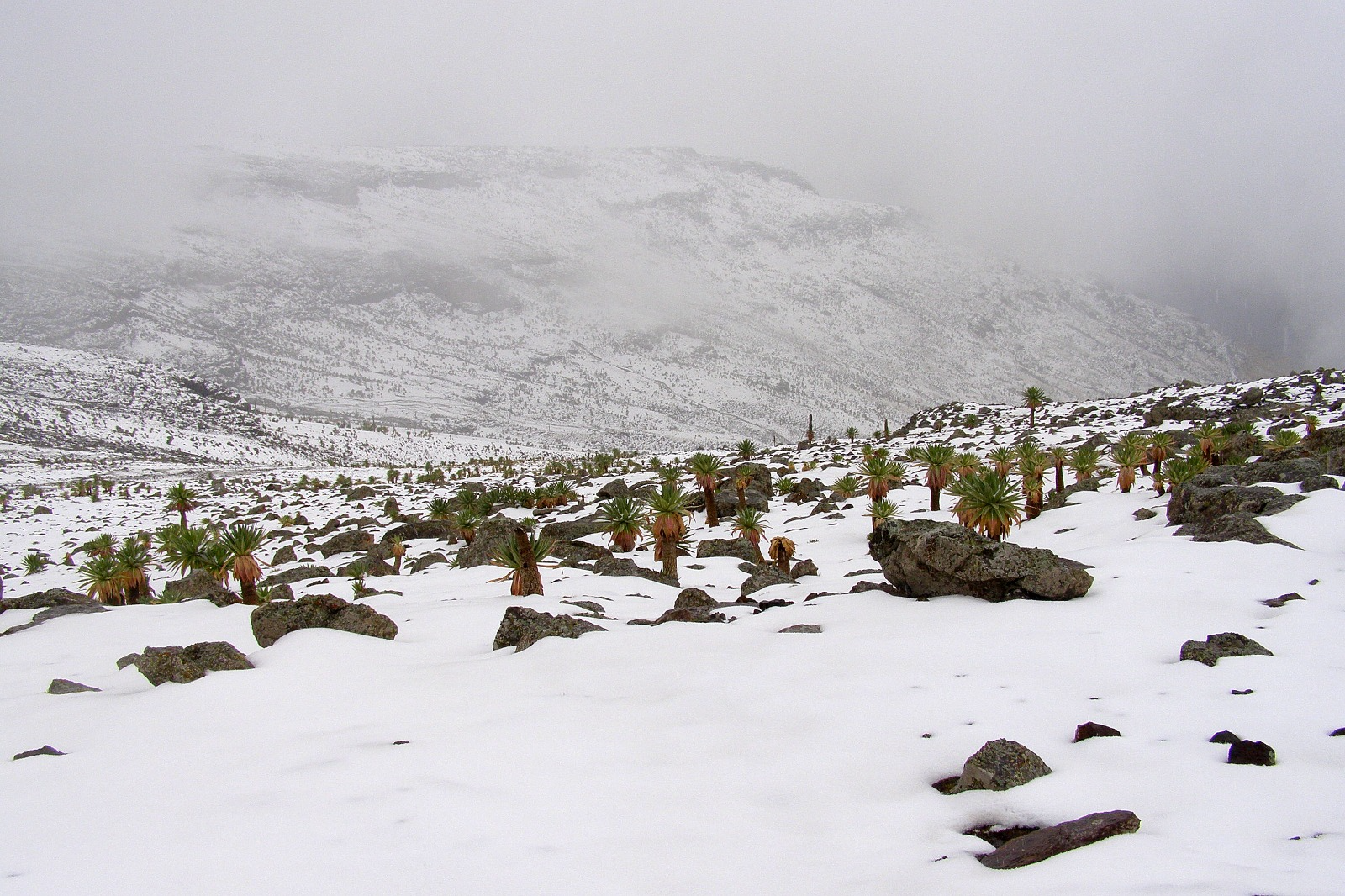
Unique and diverse ecosystems: Ethiopia’s mountain ranges are home to a variety of ecosystems, each with its own unique flora and fauna. From the gelada baboons and Ethiopian wolves of the Simien Mountains to the giant lobelia and endemic bird species of the Bale Mountains, you’ll encounter a wealth of biodiversity on your trek.
Stunning natural beauty: The rugged peaks, deep valleys, and dramatic landscapes of Ethiopia’s mountains are truly breathtaking. Whether you’re gazing out at the sweeping vistas of the Simien Mountains or hiking through the lush green forests of the Bale Mountains, you’ll be surrounded by some of the most stunning scenery in the world.
Cultural immersion: Ethiopia’s mountain ranges are also home to a rich and vibrant culture. From the Amhara the Simien Mountains and Tigray Gheralta mountains to the Oromo Bale Mountains, you’ll have the opportunity to learn about Ethiopia’s diverse ethnic groups and their customs and traditions.
Challenging treks: While some trails in Ethiopia’s mountains are suitable for beginners, many treks require a good level of fitness and endurance. Trekking to the summit of Ras Dashen, for example, involves steep ascents, rocky terrain, and altitude sickness. But the challenge is well worth it for the incredible views and sense of achievement.
How Many Mountains Are There in Ethiopia?
Ethiopia boasts an impressive number of mountains, with estimates ranging from 20 to 40 peaks over 4,000 meters (13,123 feet) in elevation. Some of the most famous and popular mountains include Ras Dashen in the Simien Mountains, and Tullu Dimtu in the Bale Mountains are the highest peak respectively. These mountains offer you a wide range of outdoor activities, from trekking and hiking to wildlife watching and cultural experiences. With its unique ecosystems and stunning natural beauty, Ethiopia’s mountains are truly a must-see destination for you if you are an adventure traveler.
Mountains in Ethipia
| Mountain Name | Elevation (meters) | Region |
|---|---|---|
| Ras Dashen | 4,550 | Amhara | Mount Abuna Yosef | 4,260 | Amhara |
| Mount Mentelew | 4,230 | Amhara/SNNPR |
| Mount Bwahit | 4,200 | Amhara/Tigray |
| Toubkal | 4,533 | Amhara |
| Mount Guna | 4,120 | Amhara |
| Mount Choke | 4,100 | Amhara |
The Simien Mountains, located in the Amhara region, are home to Toubkal, the second-highest peak in Ethiopia at 4,533 meters. Mount Guna, also located in the Simien Mountains, is the twelfth highest peak in Ethiopia.
The Bale Mountains, located in the Oromia region, are home to Tullu Demtu and Mount Batu, the third and fourth highest peaks in Ethiopia respectively. These mountain ranges offer a variety of outdoor activities and breathtaking scenery, making them popular destinations for hikers and nature enthusiasts.
Blissful Mountain Glaciers in Ethiopia
Ethiopia’s mountain ranges are home to a number of stunning glaciers, offering breathtaking views and unique outdoor experiences for you. Glaciers are formed when snow and ice accumulate over time and compress, creating a slow-moving mass of ice that can take on incredible shapes and sizes.
In Ethiopia, these glaciers are found in the high-altitude areas of the Simien Mountains and Bale Mountains, where the cooler temperatures and high elevations allow ice to accumulate and persist year-round. These glaciers not only offer scenic beauty, but they also provide important sources of freshwater for local communities and ecosystems.
While the glaciers in Ethiopia are at risk due to climate change and other environmental factors, they remain a spectacular sight and a reminder of the country’s diverse natural wonders.
| Glacier Name | Region | Brief Description |
|---|---|---|
| Chennek Glacier | Amhara | Located in the Simien Mountains, this glacier is visible from the Chennek campsite and offers a stunning backdrop for hikers. |
| Kolkuwa Glacier | Amhara | Also located in the Simien Mountains, this glacier is known for its distinctive blue color and can be seen on the way to the summit of Ras Dashen. |
| Batu Glacier | Amhara | Found on Mount Batu in the Bale Mountains, this glacier is one of the few in Africa that sits near the equator. |
| Fasil Glacier | Amhara | Situated on the slopes of Mount Fasilides, this glacier is one of the highest in the Simien Mountains and offers incredible views. |
| Tullu Dimtu Glacier | Oromia | Located on the slopes of Tullu Dimtu, the third-highest peak in Ethiopia, this glacier is known for its impressive size and stunning beauty. |
| Mount Guna Glacier | Amhara | This glacier is located on the slopes of Mount Guna in the Simien Mountains and is one of the most accessible for hikers. |
Chennek Glacier: This glacier is located in the Simien Mountains and offers a stunning backdrop for hikers from the Chennek campsite. It is visible from a distance and is a popular photo spot.
Kolkuwa Glacier: This glacier is also in the Simien Mountains and is known for its distinctive blue color. It is seen by several trekkers on the way to Ras Dashen, the highest peak in Ethiopia.
Batu Glacier: One of the few glaciers in Africa near the equator, it is located on Mount Batu in the Bale Mountains. It is an incredible sight to see the glacier’s pristine white ice amidst the lush green landscape.
Tullu Dimtu Glacier: This glacier is located on the slopes of Tullu Dimtu, the third-highest peak in Ethiopia. It is known for its impressive size and stunning beauty and is a popular destination for trekkers and hikers.
Mount Guna Glacier: Found in the Gondar, this glacier is one of the most accessible for hikers. It offers a unique view of the surrounding landscape and is a popular spot for photography.
Adventurous and Challenging Mountain Treks in Ethiopia
Ethiopia is a land of stunning natural beauty, with a diverse range of landscapes that offer endless opportunities for outdoor adventure. One of the most thrilling and challenging ways to experience the beauty of Ethiopia is by embarking on a mountain trek. From the towering peaks of the Simien Mountains to the rugged terrain of the Bale Mountains, there are plenty of options for those seeking an adventurous and challenging trekking experience.
Here are some of the best mountain treks in Ethiopia that are sure to test your endurance and offer a unique perspective on the country’s stunning landscapes.
Simien Mountains National Park Trek
The Simien Mountains National Park is home to some of the most spectacular peaks in Ethiopia, including Mount Ras Dashen, the highest mountain in the country. The park offers a range of trekking options, from day hikes to multi-day expeditions. One of the most popular routes is the Simien Mountains trek, which takes you through stunning valleys and up to high elevations where you can spot unique wildlife such as the Gelada baboon and the Ethiopian wolf.
The trek can take up to seven days and involves steep ascents and descents, as well as navigating narrow trails along cliff edges. However, the breathtaking views and unique wildlife sightings make it a truly unforgettable experience.
Bale Mountains Trek
The Bale Mountains are another popular destination for mountain treks in Ethiopia. The rugged terrain and remote wilderness of the region offer a true wilderness experience, with challenging treks through deep valleys and over high passes. The trek can take up to ten days and involves camping in the wilderness each night.
One of the highlights of the trek is the opportunity to spot rare and endangered wildlife such as the Ethiopian wolf and the mountain nyala. The trek also offers stunning views of the rugged landscape, including deep valleys and towering peaks.
Trekking in the Tigray Region
The Tigray region of Ethiopia offers a unique trekking experience, with rugged landscapes and ancient rock-hewn churches to explore. The region is home to some of the most challenging treks in the country, including the famous Abuna Yemata Guh trek.
The trek involves scaling sheer cliffs to reach ancient churches carved into the rock, offering a true test of endurance and bravery. The trek can take up to six hours and involves navigating narrow ledges and steep climbs. However, the stunning views and unique cultural experience make it well worth the effort.
Danakil Depression Trek
For those seeking a truly adventurous and challenging trekking experience, the Danakil Depression is a must-visit destination. Located in the northern part of Ethiopia, the Danakil Depression is one of the hottest and driest places on Earth, with temperatures reaching over 50 degrees Celsius.
The Danakil trek involves hiking through the stark and otherworldly landscape of the depression, including salt flats, active volcanoes, and colorful mineral formations. The trek can take up to five days and involves camping in the wilderness each night. While the extreme heat and challenging terrain make it a tough trek, the unique landscapes and cultural experiences make it a once-in-a-lifetime adventure.
Why should you go Mountain Climbing in Ethiopia?
Mountain climbing in Ethiopia offers a unique and exciting adventure that should be on every adventurer’s bucket list. From towering peaks and rugged terrain to stunning natural beauty and unique wildlife sightings, there are plenty of reasons why you should consider mountain climbing in Ethiopia.
Here are some of the top reasons why Ethiopia should be your next mountain climbing destination.
Breathtaking Scenery
Ethiopia is home to some of the most stunning natural landscapes in the world, from towering peaks to deep valleys and rugged terrain. The Simien Mountains, for example, offer sweeping vistas of deep valleys and steep cliffs, while the Bale Mountains are known for their remote wilderness and rugged terrain. The stunning scenery is a major draw for mountain climbers who seek out unique and beautiful landscapes to explore.
Unique Wildlife
Ethiopia is also home to a variety of unique and rare wildlife species, some of which can only be found in the country. For example, the Gelada baboon, which is found in the Simien Mountains, is known for its distinctive red chest patch and the way it sits for hours on end, grooming itself. The Ethiopian wolf, which is only found in the highlands of Ethiopia, is also a major draw for wildlife enthusiasts who want to spot this rare and endangered species in the wild.
Rich Cultural History
Ethiopia is also known for its rich cultural history, which is deeply rooted in its mountains and wilderness areas. The Tigray region, for example, is home to ancient rock-hewn churches that date back to the 4th century, while the Simien Mountains are home to traditional mountain villages that offer a glimpse into the daily lives of the local people.
Challenging Climbing Routes
For mountain climbers who seek out a challenge, Ethiopia offers a range of difficult and challenging climbing routes that will put their skills and endurance to the test. The Abuna Yemata Guh trek in the Tigray region, for example, involves scaling sheer cliffs to reach ancient rock-hewn churches, while the Danakil Depression trek involves hiking through some of the hottest and driest places on Earth.
Expert Guides and Support
Mountain climbing in Ethiopia can be a challenging and demanding activity that requires expert knowledge and support. With the help our licensed and experienced guides, you can plan the ultimate mountain climbing adventure and explore the beauty and wilderness of Ethiopia with confidence. Our guide can also help you navigate the terrain and ensure your safety throughout your climb.
Risks in Trekking in the Ethiopian Mountain
Altitude sickness: Many of the peaks in Ethiopia’s mountain ranges reach heights above 4,000 meters, which can put you at risk for altitude sickness. Symptoms can range from mild headache and nausea to more serious complications like pulmonary or cerebral edema. It is important for you to acclimate to the altitude slowly and seek medical attention if symptoms persist or worsen.
Extreme weather conditions: The high altitude and mountainous terrain of Ethiopia can lead to extreme weather conditions, including strong winds, heavy rain, and snow. You should be prepared for all types of weather and bring appropriate gear to stay warm and dry.
Unpredictable terrain: The mountainous terrain of Ethiopia can be rugged and unpredictable, with steep ascents and descents, loose rocks, and narrow trails. You should be experienced and physically fit to handle the challenges of the terrain.
Wildlife encounters: Ethiopia’s mountains are home to a variety of wildlife, including hyenas, baboons, and leopards. While these animals generally avoid human contact, you should take precautions to avoid encounters and follow park guidelines for wildlife safety.
Limited infrastructure: Many of the trekking routes in the Ethiopian mountains are remote and have limited infrastructure, including limited access to medical facilities, food, and water. You should come prepared with sufficient supplies and make sure to inform others of their itinerary.
What To Pack Before You Begin Trekking
- Before embarking on a trek in the Ethiopian mountains, it is important to pack carefully to ensure that you have everything you need for a safe and comfortable journey. Here are some essential items to consider including in your packing list:
- Sturdy hiking boots with good ankle support
- Comfortable, breathable clothing suitable for hiking, including long pants and shirts with long sleeves to protect against the sun and insects
- Warm layers, including a fleece or down jacket, hat, gloves, and thermal underwear for higher elevations or colder weather conditions
- Rain gear, including a waterproof jacket and pants, to protect against unexpected rain or snow
- A backpack with a hydration system or water bottle and purification tablets or filter to stay hydrated during your trek
- High-energy snacks and trail mix to keep your energy levels up throughout the day
- Sunscreen, sunglasses, and a hat to protect against the strong UV rays at high altitudes
- Insect repellent to protect against mosquitoes and other biting insects
- Basic first aid kit with adhesive bandages, antiseptic, pain relievers, and any necessary prescription medication
- Headlamp or flashlight with extra batteries for navigating at night or in low light conditions.
FAQs
What are the major mountain ranges in Ethiopia?
The major mountain ranges in Ethiopia include the Simien Mountains, Bale Mountains, Ethiopian Highlands, and the Lasta mountains.
What is the highest mountain in Ethiopia?
The highest mountain in Ethiopia is Ras Dashen, which stands at an elevation of 4,620 meters (15,157 feet).
Can I go mountain climbing in Ethiopia as a beginner?
Yes, there are plenty of beginner-friendly mountain climbing routes in Ethiopia that are suitable for novice climbers. However, it is important to go with a reputable travel and trek company and to have a knowledgeable guide who can ensure your safety and help you navigate the terrain.
What is the best time of year to go mountain climbing in Ethiopia?
The best time to go mountain climbing in Ethiopia is from October to March, which is the dry season. During this time, the weather is generally clear and dry, which makes for optimal climbing conditions.
What should I bring with me for a mountain climbing trip in Ethiopia?
It is important to bring warm clothing, sturdy hiking boots, a first aid kit, a map and compass, a headlamp or flashlight, and plenty of water and food. It is also important to bring sunscreen, sunglasses, and a hat to protect yourself from the strong sun at high altitudes.
Are there any dangerous animals to be aware of when mountain climbing in Ethiopia?
While encounters with dangerous wildlife are rare, it is important to be aware of the potential for wildlife encounters when mountain climbing in Ethiopia. Some of the wildlife species that climbers may encounter include baboons, hyenas, leopards, and snakes.
Is it necessary to have a guide when mountain climbing in Ethiopia?
It is highly recommended to have a knowledgeable guide when mountain climbing in Ethiopia, especially for those who are new to the area or new to mountain climbing. A guide can help you navigate the terrain, ensure your safety, and provide valuable insights into the local culture and history.
What is the difficulty level of mountain climbing in Ethiopia?
The difficulty level of mountain climbing in Ethiopia varies depending on the route and the individual’s level of experience and fitness. Some routes are suitable for novice climbers, while others require advanced skills and experience. It is important to research the route and consult with a knowledgeable guide before embarking on a climbing trip in Ethiopia.

