

Ethiopia Landscape: An Introduction
Are you a nature enthusiast looking for breathtaking landscapes? Ethiopia has plenty to offer in terms of natural beauty. From towering mountains to lush forests, there is no shortage of scenic views to behold. In this article, we will explore some of the most stunning landscapes Ethiopia has to offer.
As you plan your trip to Ethiopia, you might be wondering what kind of landscapes and natural wonders await you. From high-altitude mountains to arid deserts, Ethiopia’s diverse geology and rich history have shaped its breathtaking and unique landscape. In this article, we’ll take a closer look at some of the most notable and awe-inspiring landscapes in Ethiopia, so you can plan your journey accordingly.
Ethiopia's fascinating landscape shaped by geological formations.
If you’re a traveler looking for an unforgettable adventure, Ethiopia’s landscape is a must-see. The country’s unique geological formations have created a diverse terrain that is nothing short of breathtaking. From towering mountains to vast deserts and fertile valleys, Ethiopia has something to offer every type of traveler.
- You get to see the majestic Ethiopian Highlands, which cover much of the country and are home to Ethiopia’s highest peak, Ras Dashen. Trekking through the Simien Mountains and witnessing the dramatic scenery is an experience not to be missed.
- The Danakil Depression, one of the lowest and hottest places on Earth, is a unique destination that awaits you. You can explore the surreal landscapes of salt flats, geysers, and volcanoes, and meet the Afar people who have adapted to the harsh conditions of this region.
- The Great Rift Valley, which runs through Ethiopia and several other countries, offers stunning scenery and unique wildlife. You can go on a safari in the Awash National Park or the Bale Mountains National Park and spot rare species such as the Ethiopian wolf and the gelada baboon.
- Ethiopia’s landscape has been shaped by millions of years of geological activity, and you can experience this firsthand. You can visit active volcanoes such as Erta Ale and Dallol and witness the raw power of nature.
- The country’s rivers, including the Blue Nile and the Awash River, have played a crucial role in shaping Ethiopia’s landscape and supporting its agriculture. You can visit the historic city of Bahir Dar and take a boat tour on Lake Tana, the source of the Blue Nile, or hike to the Blue Nile Falls.
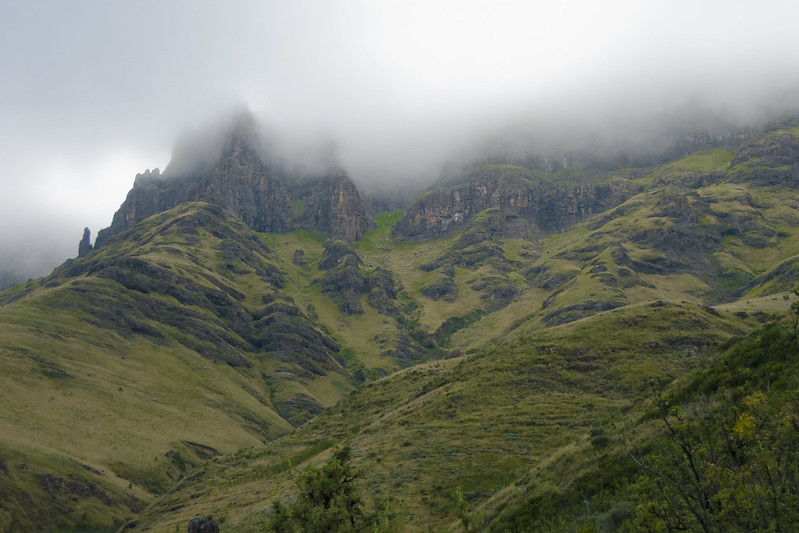
Diverse landscape of high-altitude regions spanning Ethiopia
The Ethiopian Highlands is a remarkable landscape, characterized by high-altitude regions that span across Ethiopia. These highlands are a diverse mix of plateaus, mountains, valleys, and deep gorges, all shaped by the forces of nature over millions of years.
You’ll be amazed by the stunning landscapes of the Ethiopian Highlands. The highlands are home to a diverse mix of plateaus, mountains, valleys, and deep gorges, all of which are shaped by the forces of nature over millions of years.
- You get to see the dramatic landscapes of the Simien Mountains National Park, trek through the rugged terrain, and experience the local culture of the Amhara people.
- The Bale Mountains National Park offers a unique wildlife experience, where you can spot rare species such as the Ethiopian wolf and the mountain nyala, and explore the stunning Harenna Forest.
- You can climb up to the ancient rock-hewn churches in the Tigray region and witness the stunning views of the surrounding landscape while learning about the region’s rich history and culture.
- Trekking through the Guassa plateau in the Oromia region is an opportunity to experience the local culture of the Oromo people and their unique way of life, while spotting the endangered Ethiopian wolf.
- The Afar region is a unique destination that awaits you, with its surreal geological formations such as the Erta Ale volcano and the Danakil Depression, and the opportunity to meet the nomadic communities who have adapted to the harsh conditions of this region.
Ethiopia's diverse landscapes and wildlife.
If you’re a nature enthusiast, the diverse landscapes and wildlife of Ethiopia are sure to captivate you. From the rugged mountains to the lush valleys and unique cultural experiences, there’s something for everyone in Ethiopia’s beautiful landscape.
- You can witness the unique wildlife of the Simien Mountains National Park, including the Ethiopian wolf, gelada baboon, and Walia ibex, while enjoying the stunning views of the rugged mountains and deep valleys.
- The Bale Mountains National Park, with its unique Afro-alpine ecosystem, awaits you with the chance to spot rare species such as the mountain nyala and Bale monkey, while enjoying the lush landscapes of the Harenna Forest.
- In the Omo Valley, you can experience the traditional way of life of several tribes, including the Mursi and the Hamar, who have preserved their unique cultures for centuries amidst the stunning natural beauty of the region.
- Lake Tana, Ethiopia’s largest lake, is a must-visit destination where you can spot a variety of fish and birdlife, while enjoying the tranquil beauty of the surrounding landscape.
- The Awash National Park, located in the Rift Valley, offers an opportunity to spot several species of antelopes and the rare Somali ostrich and beisa oryx while experiencing the stunning beauty of the Ethiopian landscape.
Rift Valley shaping Ethiopia's landscape.
The Rift Valley is a geological wonder that has shaped Ethiopia’s landscape for millions of years. The region is known for its vast lakes, towering mountains, and unique wildlife, making it a must-visit destination for nature lovers.
- The Rift Valley is home to several stunning lakes, including Lake Abaya, Lake Chamo, and Lake Hawassa, which offer breathtaking views of the surrounding landscape and provide a habitat for a variety of bird and fish species.
- The valley is also home to several towering mountains, including Mount Batu, Mount Yerer, and Mount Wachacha, which offer stunning hiking trails and panoramic views of the surrounding landscape.
- The region’s unique geology has also created several natural hot springs, such as the Sodere hot springs, which offer visitors a chance to relax in the natural pools while enjoying the stunning scenery.
- The Rift Valley is home to several endemic wildlife species, including the rare Somali ostrich and the beisa oryx, which can be spotted in several national parks, such as the Awash National Park and the Nechisar National Park.
- The valley is also home to several unique cultural communities, including the Sidama and the Oromo, who have lived in the region for centuries and have preserved their unique traditions and way of life amidst the stunning natural beauty of the Rift Valley.
- Whether you’re a hiker, a birdwatcher, a cultural explorer, or simply seeking to soak in the natural beauty of Ethiopia’s landscape, the Rift Valley offers an unforgettable experience. So pack your bags and get ready to explore the stunning landscapes and unique wildlife of this geologically rich region.
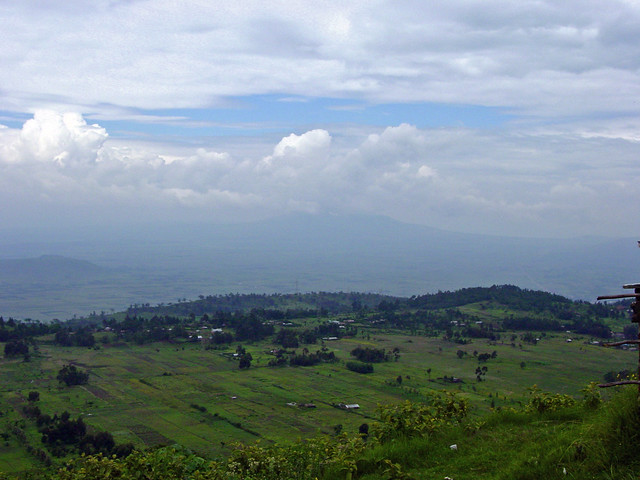
Vital waterways shaping Ethiopia's landscape.
Water is an essential element that has shaped Ethiopia’s landscape for millions of years. The country is home to several vital waterways, including the Blue Nile, which originates in Ethiopia’s highlands and flows through the country before joining the White Nile in Sudan to form the Nile River, the longest river in the world.
- The Blue Nile is the lifeblood of Ethiopia, providing water for irrigation, hydroelectric power, and transportation. The river has also played a significant role in shaping Ethiopia’s landscape, carving out deep gorges and canyons as it flows through the highlands.
- Lake Tana, located in the highlands of Ethiopia, is the source of the Blue Nile and one of the largest lakes in Africa. The lake is home to several unique and endemic fish species and provides a habitat for a variety of bird species, making it a popular destination for birdwatchers and nature lovers.
- The Omo River, located in southern Ethiopia, is another vital waterway that has shaped the country’s landscape. The river flows through the Omo Valley, a region known for its unique cultural communities and stunning natural beauty.
- The Awash River, located in northeastern Ethiopia, is another important waterway that has shaped the country’s landscape. The river flows through the Awash National Park, a protected area that is home to several unique and rare wildlife species, including the endangered Ethiopian wolf and the beisa oryx.
- Ethiopia’s vital waterways have also played a significant role in the country’s history and culture, with several ancient civilizations, including the Kingdom of Aksum, developing along the banks of the Blue Nile and other waterways.
Whether you’re a history enthusiast, a nature lover, or simply seeking to explore the stunning landscapes and unique cultural communities of Ethiopia, the country’s vital waterways offer a fascinating and unforgettable experience. So pack your bags and get ready to explore the stunning natural beauty and cultural heritage of Ethiopia’s waterways.
FAQs
What kind of landscape does Ethiopia have?
Ethiopia has a diverse landscape that includes high-altitude regions, the Rift Valley, desert landscapes, and vital waterways.
What is the main landscape of Ethiopia?
The highlands are the main landscape of Ethiopia, featuring lush forests, grasslands, and stunning mountain ranges.
What is the amazing landscape in Ethiopia?
The Danakil Depression, located in the Afar region, is one of the most amazing landscapes in Ethiopia, with surreal and colorful sulfur springs, active volcanoes, and salt flats.
What is the terrain and climate of Ethiopia?
Ethiopia has varied terrain and climate, including highlands, deserts, and savannas, with temperatures that range from hot and arid to cool and temperate.
What is the best time to visit Ethiopia’s landscapes?
The best time to visit Ethiopia’s landscapes is during the dry season, which typically runs from October to May. During this time, the weather is mild, and the landscapes are lush and green. However, visitors should be aware that some areas may still be hot and dry, such as the Danakil Depression, which is best visited during the cooler months of November to January.
What kind of accommodations are available in Ethiopia’s landscapes?
Accommodations in Ethiopia’s landscapes range from basic camping sites to luxury lodges and resorts. Visitors can choose from a variety of options depending on their budget and preferences. Many national parks and trekking destinations offer camping facilities, while cities and towns offer a range of hotels, guesthouses, and bed and breakfasts.
Is it safe to travel in Ethiopia’s landscapes?
While Ethiopia is generally a safe country to visit, visitors should exercise caution when traveling in some areas, particularly those near the borders with Somalia, Eritrea, and South Sudan. Visitors should also be aware of the risk of petty crime in cities and towns, and take precautions to ensure their safety, such as avoiding walking alone at night and keeping valuables out of sight.
Do I need a visa to visit Ethiopia’s landscapes?
Yes, most visitors to Ethiopia will need a visa to enter the country. Visitors can apply for a visa online or at an Ethiopian embassy or consulate in their home country. It’s important to check the visa requirements before traveling to Ethiopia, as they may vary depending on your nationality and the purpose of your visit.
What kind of transportation options are available in Ethiopia’s landscapes?
Ethiopia’s landscapes are vast and diverse, and there are several transportation options available to visitors. In cities and towns, visitors can use taxis and public transportation, while in rural areas, visitors may need to hire a private car or join a guided tour. Domestic flights are also available for those looking to travel long distances quickly.
Are there any cultural considerations I should be aware of when visiting Ethiopia’s landscapes?
Yes, visitors to Ethiopia should be aware of the country’s cultural customs and traditions, particularly when visiting religious and cultural sites. Visitors should dress modestly, remove shoes when entering places of worship, and avoid taking photographs without permission. It’s also important to respect local customs and traditions, such as avoiding public displays of affection and refraining from eating or drinking in public during Ramadan.

