

Jimma, An Amazing City In Ethiopia
Are you planning a trip to Ethiopia? Is Jimma city of Ethiopia is in your bucket list?
Jimma is a vibrant city located in southwestern Ethiopia, and it offers a unique and authentic travel experience for you. Known for its rich coffee culture and stunning natural landscapes, Jimma is a must-visit destination for anyone looking to explore the beauty and diversity of Ethiopia.
One of the highlights of a visit to Jimma is experiencing the traditional coffee ceremony, which is a social ritual that has been practiced in Ethiopia for centuries. You can watch as coffee beans are roasted, ground, and brewed using special equipment, and then enjoy the freshly brewed coffee in small cups with local snacks like popcorn or peanuts.
In addition to its coffee culture, Jimma is also home to a number of historical sites and landmarks. The Jimma Abba Jifar Palace, for example, is a beautiful example of traditional Ethiopian architecture and offers a fascinating glimpse into the history of the region.
For nature lovers, Jimma offers plenty of opportunities to explore the surrounding countryside. The Jimma Plateau, for example, is a stunning highland area that is home to a diverse range of plant and animal species. You can hike through the lush forests, visit local waterfalls, and enjoy breathtaking views of the landscape.
As a bustling city, Jimma also offers plenty of opportunities to experience the local culture and cuisine. From colorful markets and street food stalls to traditional music and dance performances, there is always something new and exciting to discover in Jimma.
Historical And Cultural Significance Of Jimma
Jimma, a city located in southwestern Ethiopia, is historically and culturally significant for several reasons. Here are some of the main historical and cultural aspects of Jimma:
Jimma Abba Jifar: Jimma was once the capital of the Kingdom of Jimma Abba Jifar, which was a powerful political and economic force in the region during the 19th century. The kingdom was ruled by a series of kings, or Abba Jifars, who left a lasting legacy in the region.
Coffee culture: Jimma is known as the birthplace of coffee, and the region has a rich history of coffee production and consumption. The traditional Ethiopian coffee ceremony is a social ritual that has been practiced in the region for centuries and remains an important part of the local culture today.
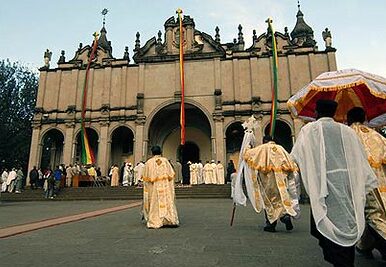
Religion: Jimma is home to a number of important religious sites, including the Aba Jifar Mosque and the Jimma Cathedral. These sites are significant for their architecture, historical value, and cultural importance.
Traditional music and dance: Jimma is known for its vibrant traditional music and dance scene, which is an important part of local culture. You can experience these performances at local festivals and events, as well as in traditional coffee houses.
Historical landmarks: Jimma is home to a number of important historical landmarks, including the Jimma Abba Jifar Palace, which is a beautiful example of traditional Ethiopian architecture. Other notable landmarks include the Jimma Museum, which offers a fascinating look into the history of the region.
How To Get To Jimma
Jimma is located in southwestern Ethiopia and is accessible by various modes of transportation. Here are some ways to get to Jimma:
By air: The nearest airport to Jimma is the Jimma Airport, which is served by Ethiopian Airlines with flights from Addis Ababa, the capital of Ethiopia. From the airport, you can take a taxi or a local bus to reach their destination in Jimma.
By bus: There are several bus companies that operate buses to Jimma from other cities in Ethiopia. Buses usually depart from major bus stations in cities like Addis Ababa, Hawassa, and Bahir Dar. The journey can take several hours, depending on the distance and road conditions.
By car: You can also hire a car and driver to reach Jimma. The road conditions can be challenging, so it is important to choose a reliable car and driver. You can also opt for a shared taxi or minibus, which is a more affordable option but can be crowded and uncomfortable.
Best Time To Visit Jimma
The best time to visit Jimma, Ethiopia, is during the dry season, which lasts from October to February. During this time, the weather is generally mild and dry, making it comfortable for outdoor activities and exploration. The temperatures range from 20 to 25 degrees Celsius, which is quite pleasant.
The wet season in Jimma lasts from March to September, and during this time, the region experiences heavy rains and high humidity. The roads can become muddy and difficult to navigate, and some attractions may be closed due to weather conditions. However, the wet season can also be a good time to visit for those interested in seeing the lush green landscapes and waterfalls that the region is known for.
Overall, the best time to visit Jimma depends on your preferences and interests. If you prefer mild and dry weather, then the dry season is the best time to go. However, if you enjoy the natural beauty of the region and don’t mind some rain, then the wet season can also be a great time to visit.
Attractions And Activities In Jimma
Jimma, Ethiopia, is a city rich in history, culture, and natural beauty, with many attractions and activities for you to enjoy. Here are some of the top things to see and do in Jimma:
Visit the Jimma Abba Jifar Palace: This beautiful palace, located in the center of the city, is a stunning example of traditional Ethiopian architecture and was once the seat of the Kingdom of Jimma Abba Jifar.
Explore the Jimma Museum: This museum is dedicated to the history and culture of the Jimma region, with exhibits on everything from coffee production to traditional music and dance.
Experience the coffee ceremony: Jimma is known as the birthplace of coffee, and you can experience the traditional Ethiopian coffee ceremony at local coffee houses, where coffee is roasted and brewed in a special ritual that has been practiced for centuries.
Visit the Keffa Biosphere Reserve: This reserve, located just outside of Jimma, is a UNESCO World Heritage site known for its incredible biodiversity, including a wide variety of bird and mammal species.
See the Jimma Cathedral: This beautiful cathedral, located in the heart of the city, is an important religious site and an impressive example of European-style architecture.
Explore the local markets: Jimma has several colorful markets where you can shop for traditional handicrafts, spices, and other local products.
Visit the nearby waterfalls: Jimma is surrounded by beautiful waterfalls, including the Omo Forest Waterfall and the Bonga Waterfall, which are both popular destinations for hiking and picnicking.
Attend a traditional music and dance performance: Jimma is known for its vibrant music and dance scene, and you can attend performances of traditional Ethiopian music and dance at local cultural centers and theaters.
Visit the Jiren waterfall: Located just a short drive from Jimma, the Jiren waterfall is a beautiful and secluded spot that offers breathtaking views and the chance to cool off in the refreshing waters.
Explore the surrounding coffee plantations: Jimma is surrounded by lush coffee plantations, and you can take guided tours of the farms to learn about the history and production of coffee in Ethiopia, as well as sample some of the world-renowned Ethiopian coffee.
Fun Things To Do In Jimma
If you are looking for some fun things to do in Jimma, Ethiopia, here are some ideas:
Visit the Jimma recreational park: This park is a great place to relax and enjoy the outdoors, with activities like picnicking, hiking, and bird watching.
Go on a coffee tasting tour: Jimma is famous for its coffee, and you can take tours of local coffee farms and taste different varieties of Ethiopian coffee.
Attend a traditional Ethiopian wedding: If you are lucky enough to be in Jimma during wedding season, attending a traditional Ethiopian wedding can be a fun and unique cultural experience.
Watch a movie at the Jimma cinema: The Jimma cinema is a popular local spot to catch the latest Ethiopian and international films.
Play sports: Jimma has several sports clubs and facilities where you can play soccer, basketball, volleyball, and other sports.
Visit the local swimming pool: Jimma has several public swimming pools that are great places to cool off on hot days.
Go shopping: Jimma has several markets and shopping centers where you can buy souvenirs, traditional clothing, and other local products.
While visiting Jimma, you may also love to travel other amazing cities and attractions of Ethiopia. You can trek to the Bale mountain or Simen mountain, visit the Danakil Depression, take a guided trip to the Omo valley or enjoy Timkat festival tour.
Food And Drink In Jimma
Jimma, Ethiopia, is known for its rich culinary traditions, which include a variety of flavorful dishes and drinks. Here are some of the top food and drink experiences to try when visiting Jimma:
Coffee: Jimma is the birthplace of coffee, and you can enjoy the world-renowned Ethiopian coffee at local coffee houses, where it is brewed in the traditional Ethiopian coffee ceremony.
Kitfo: Kitfo is a traditional Ethiopian dish made from raw minced beef seasoned with spices like chili and ginger. It is often served with injera, a sourdough flatbread.
Tibs: Tibs is a popular Ethiopian dish made from sautéed meat (usually beef or lamb) and vegetables. It is often served with injera and spicy sauce.
Shiro: Shiro is a spicy chickpea stew that is a staple of Ethiopian cuisine. It is often served with injera and is a popular vegetarian option.
Tej: Tej is a traditional Ethiopian honey wine that is sweet and refreshing. It is often served in traditional clay cups and is a popular drink for special occasions.
Buna: Buna is another name for coffee in Ethiopia, and it refers specifically to the roasted and ground coffee beans. It is often served with popcorn or peanuts as a snack.
Dabo kolo: Dabo kolo is a popular snack food in Ethiopia made from small, crunchy pieces of baked dough seasoned with spices.
Accommodation And Transportation In Jimma
When it comes to accommodation and transportation in Jimma, Ethiopia, here are some things to keep in mind:
Accommodation:
Jimma has a range of accommodation options to suit different budgets and preferences. If you are looking for a budget-friendly option, there are several guesthouses in Jimma that offer comfortable and affordable accommodations. These guesthouses usually offer basic amenities such as free Wi-Fi, hot water, and clean beds.
For those who prefer more luxurious accommodations, there are several hotels in Jimma that offer modern amenities such as air conditioning, satellite TV, and on-site restaurants. These hotels vary in price depending on the level of luxury offered.
If you are looking for a more authentic experience, you can also consider staying with a local family in Jimma through a homestay program. This is a great way to experience the local culture and way of life in Jimma, and you can learn about traditional Ethiopian customs and cuisines from your hosts.
Transportation:
Buses: Jimma is well-connected to other cities in Ethiopia by bus, with several bus companies operating in the area.
Taxis: Taxis are a popular mode of transportation in Jimma, with both private and shared taxis available.
Car rental: If you want more flexibility in your transportation, you can also rent a car in Jimma.
Motorbikes: Motorbikes are a popular way to get around in Jimma, particularly for short distances.
FAQs
What is Jimma known for?
Jimma is known for its rich history and cultural significance, as well as for being the birthplace of coffee.
How long is from Addis Ababa to Jimma?
The distance between Addis Ababa and Jimma is approximately 353 kilometers (219 miles) and it takes around 7-8 hours by car.
How many people live in Jimma Ethiopia?
The estimated population of Jimma is around 220,000.
Who was the famous ruler of Jimma?
Abba Jifar II is the most famous ruler of Jimma, who is known for his military campaigns and significant contributions to the region’s history and culture.

