

Volcano Ethiopia: An Introduction
Ethiopia is a country with a rich geological history, and its many volcanoes are a testament to the country’s unique natural beauty. The country is home to a diverse range of volcanic landscapes, from towering peaks to vast lava fields, which offer you a unique and unforgettable experience.
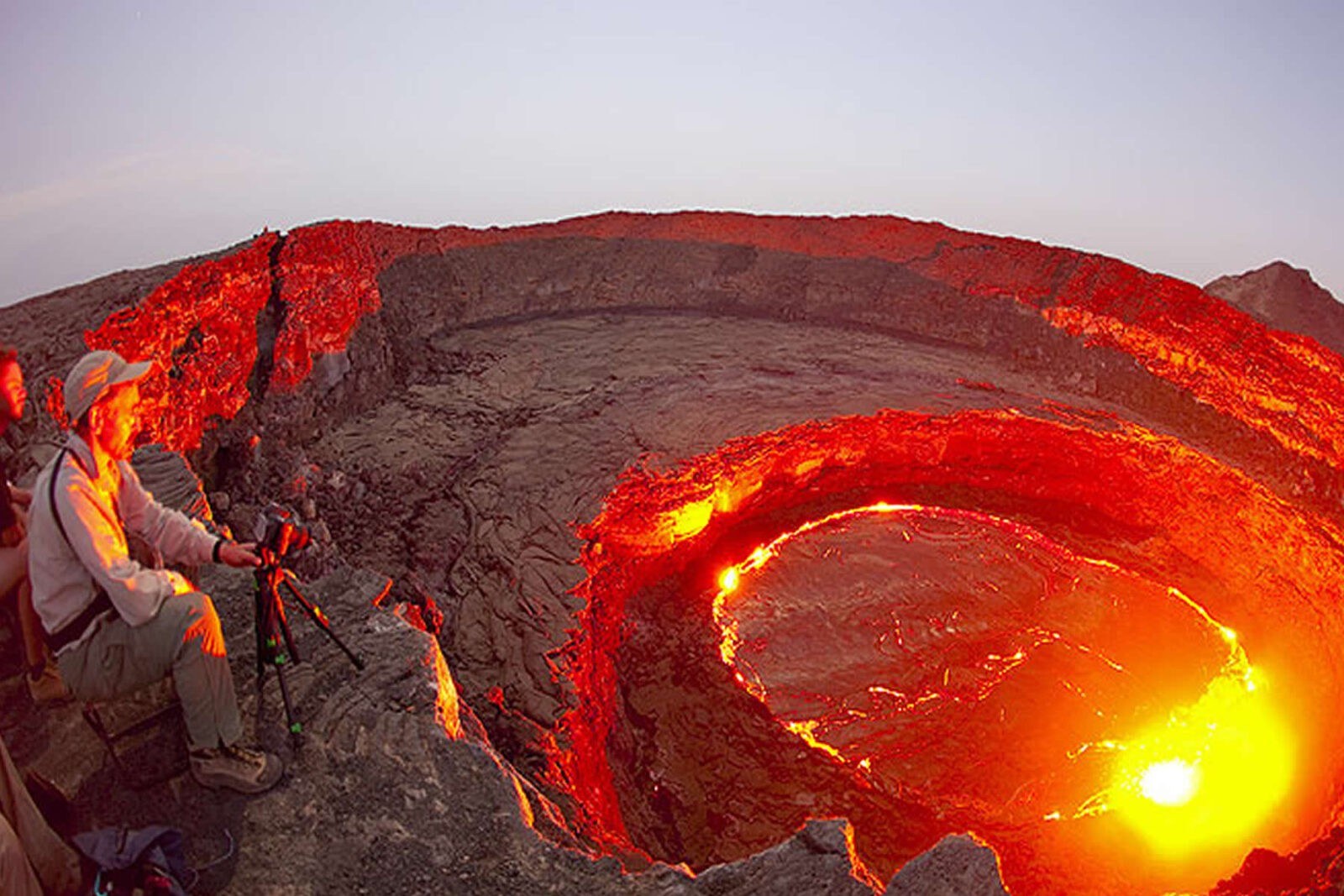
The volcanoes in Ethiopia not only provide a stunning backdrop for adventure and exploration, but they also offer a glimpse into the country’s complex geological past. Some of Ethiopia’s most famous volcanoes include Erta Ale, an active shield volcano with a permanent lava lake, and Dallol, a hydrothermal field with colorful hot springs and geysers.
For adventure seekers, Ethiopia’s volcanoes offer a variety of opportunities for trekking, hiking, and camping. Many of the volcanoes are located in national parks, and our Ethiopia guided tours are available to help you safely navigate the terrain and experience the unique natural wonders of the area.
Whether you’re a nature lover, a history buff, or an adventure seeker, Ethiopia’s volcanoes offer a once-in-a-lifetime opportunity to explore one of the world’s most fascinating geological landscapes.
Volcano Trekking Tours: The Best Volcanic Sites in Ethiopia
Volcano trekking in Ethiopia is an exciting and unique adventure that offers you the chance to explore some of the most spectacular volcanic landscapes in the world. With over 60 volcanoes in Ethiopia, the country boasts a diverse range of trekking opportunities that cater to every level of experience.
Trekking through Ethiopia’s volcanoes offers you the chance to witness stunning scenery, geothermal activity, and unique ecosystems that are home to a variety of endemic flora and fauna. From the active lava lake of Erta Ale to the towering peaks of the Simien Mountains, Ethiopia’s volcanoes offer an unforgettable experience that is not to be missed.
Here are some of the best volcano trekking experiences in Ethiopia that will provide you with an unforgettable adventure:
Erta Ale: Located in the Danakil Depression, trekking to the summit of Erta Ale offers a unique opportunity to witness an active lava lake up close. The trek takes around 3-4 hours each way and is typically done overnight, with you camping near the crater rim. You can also witness the sunrise and sunset over the volcanic landscape, which is a stunning sight to behold.
Nearby the volcano, there are a few small villages inhabited by the Afar people, who are known for their distinct culture and way of life. You can explore the villages and learn about the traditions and customs of the Afar people, including salt mining and camel herding. Accommodation options near Erta Ale are limited due to the remote location, but there are basic camping facilities available for those who wish to spend the night near the volcano.
Dallol: The otherworldly landscape of Dallol is a highlight of any volcano trekking trips to Ethiopia. The trek to Dallol typically takes around 3-4 hours each way and involves walking through a desert landscape of salt flats and sand dunes. Once at Dallol, you can witness some of the hottest and most acidic springs in the world, with temperatures reaching up to 90 degrees Celsius. The vibrant colors of the springs and the surrounding landscape make for an unforgettable and surreal experience.
The area is known for its vibrant yellow, green, and pink hues, which are a result of the presence of sulfur and other minerals. You can also explore nearby villages and learn about the Afar people and their way of life.
Dallol is also a great destination for photography enthusiasts. The unique landscape and vibrant colors make for incredible photo opportunities, especially during sunrise and sunset. You may also spot some wildlife in the area, including the Somali ostrich and desert fox, and a variety of bird species.
Mount Bwahit: Trekking to the summit of Mount Bwahit offers stunning panoramic views of the Simien Mountains and the chance to spot rare wildlife such as the Ethiopian wolf. The trek typically takes around 6-8 hours each way and is best done as part of a multi-day trek through the Simien Mountains.
In addition to the trek to the summit of Mount Bwahit, you can also explore the surrounding areas and nearby villages, experiencing the local culture and hospitality. The Simien Mountains are home to several endemic bird species, making it a paradise for birdwatchers. Accommodation options in the area range from camping to lodges, providing a variety of experiences for you.
Photography enthusiasts will also be captivated by the stunning landscapes and wildlife opportunities at Mount Bwahit. The trek offers opportunities for capturing breathtaking sunrise and sunset views, as well as wildlife photography of rare and endangered species.
Mount Afar: This relatively easy trek offers breathtaking views of the surrounding landscape and a glimpse into Ethiopia’s rich geological history. The trek to the summit typically takes around 2-3 hours each way and can be done as a day trip from Addis Ababa.
At the top of Mount Afar, you can take in sweeping views of the Ethiopian Rift Valley and the surrounding mountains. Along the way, trekkers can spot wildlife such as baboons and hyraxes. The nearby village of Debre Zeyit offers a chance to experience the local culture and hospitality of the Oromo people. Accommodation options in Debre Zeyit include guesthouses and lodges.
Photography enthusiasts will appreciate the stunning landscapes and unique geological formations of Mount Afar, including the nearby crater lake of Lake Bishoftu. Bird watchers can also spot various bird species such as the Abyssinian ground thrush and the rufous chatterer.
Mount Tullu Moje: Mount Tullu Moje is a volcanic mountain located in the Oromia Region of Ethiopia. Trekking to the summit offers stunning views of the Rift Valley and the surrounding landscape. The trek to the top typically takes around 2-3 hours each way and can be done as a day trip from Addis Ababa.
During the trek, you can explore a unique volcanic landscape filled with craters, lava flows, and rock formations. The summit offers panoramic views of the surrounding area, including the nearby Mount Zuqualla and Lake Babogaya.
There are nearby villages where you can experience the local culture and traditions, including the traditional Oromo dance and music. Accommodation options include camping or staying in nearby lodges or hotels. Photography enthusiasts will enjoy capturing the stunning views and unique landscape.
Mount Wenchi: This dormant volcano is located near the city of Ambo and offers a more accessible trek for you. The summit provides breathtaking views of the surrounding crater lake and lush forests.
Mount Entoto: The trek to the summit of Mount Entoto is relatively easy and takes around 2-3 hours each way. Along the way, you can enjoy the natural beauty of the surrounding forest and may even spot some wildlife such as baboons and colobus monkeys. At the top, there are several viewpoints where you can take in the breathtaking panoramic views of Addis Ababa and its surroundings.
In addition to the natural beauty of Mount Entoto, the area is also home to several cultural and historical sites. The Entoto Maryam Church, built in the late 19th century, is one of the most important Ethiopian Orthodox churches and is considered a national monument. You can also explore the Entoto Observatory and Research Center, which offers educational programs and stargazing opportunities. For those looking to stay overnight, there are several accommodation options available in the nearby town of Entoto.
Mount Zuqualla: This is a dormant volcano located in the Oromia region, about 150 km south of Addis Ababa. The trek to the summit takes around four hours, and hikers can enjoy stunning views of the surrounding countryside, including the Great Rift Valley. At the top of the mountain, there is a small monastery that offers a glimpse into the spiritual traditions of Ethiopia.
Additionally, you can also visit nearby villages and experience traditional rural life in Ethiopia. Accommodation options include camping at the base of the mountain or staying in nearby guesthouses. The area is also home to a variety of bird species, including the endemic white-winged cliff chat and yellow-fronted parrot. Hikers can also spot wildlife such as baboons, hyenas, and even leopards in the surrounding forests. Mount Zuqualla is a great option for you looking for a unique and off-the-beaten-path trekking experience in Ethiopia.
Bishoftu Crater Lakes: This is a group of seven small volcanic lakes located about an hour’s drive from Addis Ababa. Each lake has a unique color and is surrounded by lush vegetation and birdlife. You can take a leisurely stroll around the lakes and enjoy the peaceful atmosphere of this beautiful spot.
In addition to strolling around the lakes, you can also take a boat ride on the lakes or go birdwatching to spot the over 80 species of birds that call the Bishoftu Crater Lakes home. The nearby town of Bishoftu offers a glimpse into traditional Oromo culture and you can explore the local markets and try traditional dishes. For those looking to stay overnight, there are a variety of accommodation options available, from basic camping to more luxurious lodges.
Sof Omar Cave: While not a volcano in the traditional sense, Sof Omar Cave is a natural wonder formed by volcanic activity. The cave system, which is the longest in Ethiopia, was created by the flow of a river through the volcanic rock. You can explore the cave system and marvel at the natural rock formations and underground streams.
- The cave system is over 15 kilometers long and has been formed over millions of years.
- The cave is home to a variety of unique wildlife, including bats and blind fish.
- The cave system is divided into three parts: the Upper Cave, the Middle Cave, and the River Passage. The Upper Cave is the largest and most accessible, while the River Passage requires a bit of crawling and maneuvering to navigate.
- The cave is an important religious site for local people, who believe it to be the home of a Muslim saint named Sheikh Sof Omar.
Mount Ercolano: Located in the Tigray region, Mount Ercolano is an extinct volcano with a stunning crater lake at its peak. You can hike to the top of the mountain and enjoy the panoramic views of the surrounding landscape. The site is also home to several monasteries carved into the rock. Mount Ercolano also offers you the opportunity to experience the unique culture of the Tigray region. Photographers will find plenty of opportunities to capture the stunning landscape and unique cultural experiences. The best time to visit Mount Ercolano is during the dry season, from October to March
Safety Considerations For Visiting Ethiopia's Volcanoes
When planning a trip to Ethiopia’s volcanoes, there are a few safety considerations to keep in mind.
- Ethiopia’s volcanic sites can experience extreme temperatures and weather conditions, so it’s important to be prepared with appropriate clothing and gear. In some areas, such as Dallol, temperatures can reach up to 50°C, so it’s crucial to bring plenty of water and stay hydrated. Additionally, rainy seasons can cause flash floods and landslides, so it’s important to check weather conditions and road closures before planning a visit.
- You should also be aware of the potential for earthquakes, especially in areas with active volcanoes.
- Altitude sickness can be a concern when trekking to high elevations, so it’s important to acclimate gradually and stay hydrated.
- You should also be cautious of their footing when hiking on uneven terrain or loose volcanic rock.
- It’s important to follow local regulations and guidelines, including staying on marked trails and not disturbing wildlife or natural habitats.
- The best time to visit Ethiopia’s volcanoes is during the dry season from October to February, when weather conditions are more favorable for trekking and sightseeing. However, you should still be prepared for potentially cold temperatures at higher elevations.
- You should also check for any travel advisories or warnings related to volcanic activity or other potential hazards in the region before planning their trip.
History of volcanic activity in Ethiopia
Ethiopia is located in the East African Rift, a geological region characterized by its active volcanoes and seismic activity. The country is home to dozens of volcanoes, both active and dormant, and has a long history of volcanic activity. The most recent volcanic eruption in Ethiopia occurred in 2011, when the Nabro volcano erupted, sending ash and smoke into the air and causing widespread disruption.
Ethiopia’s volcanic activity is closely tied to the country’s geologic history and the movement of tectonic plates. The East African Rift is a divergent boundary, meaning that the African continent is slowly pulling apart. As the plates move, magma rises to the surface, leading to the formation of new volcanoes and the reawakening of dormant ones. The volcanic activity in Ethiopia has had a significant impact on the country’s geography and has shaped the landscapes and communities that call the region home.
Types of volcanoes in Ethiopia
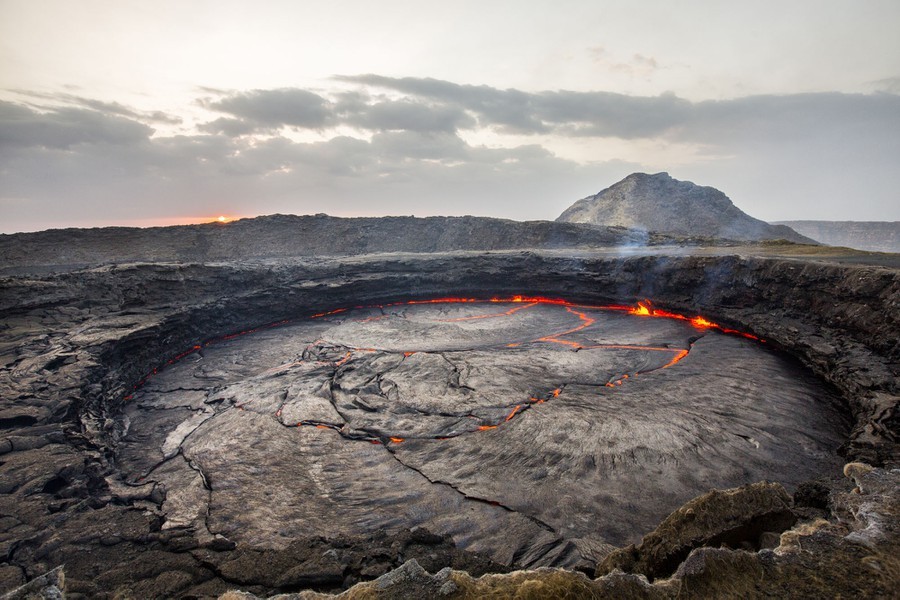
Ethiopia is home to several types of volcanoes, including shield, stratovolcanoes, and fissure volcanoes. Shield volcanoes are the most common type and are characterized by their broad, gentle slopes and frequent eruptions of low-viscosity lava. One of the most well-known shield volcanoes in Ethiopia is Mount Bwahit in the Simien Mountains.
Stratovolcanoes, also known as composite volcanoes, are steep-sided cones composed of alternating layers of lava and ash. These types of volcanoes are less common in Ethiopia but can be found in the Afar region, including Erta Ale and Dabbahu. Fissure volcanoes, on the other hand, are characterized by long, narrow cracks in the Earth’s crust through which lava erupts. These types of volcanoes are also common in Ethiopia and are responsible for the formation of the Great Rift Valley.
It’s worth noting that many of Ethiopia’s volcanoes are part of the East African Rift system, which stretches from the Gulf of Aden in the north to Zimbabwe in the south. The Rift is a complex system of geological faults and fissures that has been slowly pulling apart over millions of years, resulting in the formation of numerous volcanoes and geothermal features in Ethiopia and the surrounding region.
Geological and cultural significance of Ethiopia’s volcanoes
Ethiopia’s volcanoes hold significant geological and cultural importance. Geologically, the country’s volcanic activity has created a diverse range of landscapes, from towering mountains to vast stretches of lava fields. The volcanoes also play a crucial role in the country’s geothermal energy production, with several geothermal power plants located near active and dormant volcanic sites.
Culturally, Ethiopia’s volcanoes have played a significant role in the country’s history and spiritual traditions. Many of the volcanoes are home to ancient monasteries and churches, carved into the rock faces, that have been important pilgrimage sites for centuries. The natural features of the volcanoes, such as hot springs and geysers, have also been incorporated into traditional healing practices and religious rituals. The volcanic landscapes and their cultural significance continue to inspire artists and writers in Ethiopia and around the world.
Volcano-related myths and legends in Ethiopian culture
- In Ethiopian mythology, the god of volcanoes is called Wak.
- The Erta Ale volcano is believed to be the gateway to hell, with local legends describing it as the home of evil spirits and demons.
- The Dallol volcano and its surrounding landscape are considered to be haunted by spirits known as djinns, and you are advised to be respectful and cautious when visiting the area.
- The Bishoftu Crater Lakes are associated with the Oromo people’s creation myth, which tells of a divine being who came to earth and created the lakes as a place of healing and spiritual renewal.
- The Sof Omar Cave is considered a sacred site by many Ethiopian Orthodox Christians, who believe that the cave was once home to a community of early Christian monks.
FAQs
Is there any volcano in Ethiopia?
Yes, there are several volcanoes in Ethiopia, including Erta Ale, Dallol, and Mount Bwahit.
Does Ethiopia have any active volcanoes?
Yes, Ethiopia has two active volcanoes – Erta Ale and Aluto.
What was the last volcano to erupt in Ethiopia?
The last volcano to erupt in Ethiopia was Erta Ale in January 2017.
Why are there so many volcanoes in Ethiopia?
Ethiopia is located on the East African Rift Valley, which is a region of high volcanic activity due to the movement of tectonic plates. The country’s geology and topography make it a prime location for the formation and activity of volcanoes.

