

Introduction to the Cost of Living in Ethiopia
Are you planning a trip to Ethiopia and wondering about the cost of living there? Look no further! Our article provides a comprehensive guide to the cost of accommodation, food, transportation, and other expenses in Ethiopia. Discover how you can enjoy a comfortable stay in Ethiopia without breaking the bank. Whether you are a budget traveler or simply curious about the cost of living in Ethiopia, our article has got you covered. Explore the rich culture and natural beauty of Ethiopia while staying within your budget.
If you’re considering a trip to Ethiopia, you may be wondering about the cost of living in this fascinating country. Ethiopia is a destination that offers a unique blend of history, culture, and natural beauty, and it’s also one that can be affordable for travelers on a budget. The purpose of this article is to provide you with information about the cost of living in Ethiopia so that you can plan your trip accordingly.
We’ll take a look at different aspects of the cost of living in Ethiopia, including accommodation, food and drink, transportation, and other expenses, and provide you with examples of typical prices for each. By the end of this article, you’ll have a better idea of what to expect in terms of the cost of living in Ethiopia, and we hope that you’ll be inspired to plan your own trip to this amazing country.
Ethiopia: An Amazing Travel Destination
Ethiopia is a country located in the Horn of Africa, known for its rugged landscapes, ancient history, and diverse culture. The country is home to many different ethnic groups and languages, making it a fascinating destination for those interested in learning about new cultures. Ethiopia is also the birthplace of coffee, and visitors can enjoy the country’s rich coffee culture while exploring its natural beauty.
The geography of Ethiopia is diverse, ranging from high mountain peaks to lowland deserts. The country is also home to many different national parks and wildlife reserves, making it an ideal destination for nature lovers. Visitors can explore the Simien Mountains National Park, home to the Gelada baboon, or the Bale Mountains National Park, where they can see the endangered Ethiopian wolf.
Ethiopia is also known for its rich history and ancient culture. You can explore the country’s many historical sites, such as the ancient city of Aksum, a UNESCO World Heritage site known for its stelae and ruins. The rock-hewn churches of Lalibela are another must-see attraction, featuring 11 churches carved into the mountainside.
In addition to its natural beauty and historical sites, Ethiopia is also known for its vibrant culture. The country is home to many different festivals and celebrations throughout the year, such as the Timkat festival in January, which celebrates the baptism of Jesus Christ. Cost of living in Ethiopia is very affordable as well.
Despite of being one of the incredible travel destinations in the world, this country is indeed one of the most affordable destinations. Lets understand in deep how much it cost you to explore and experience this country.
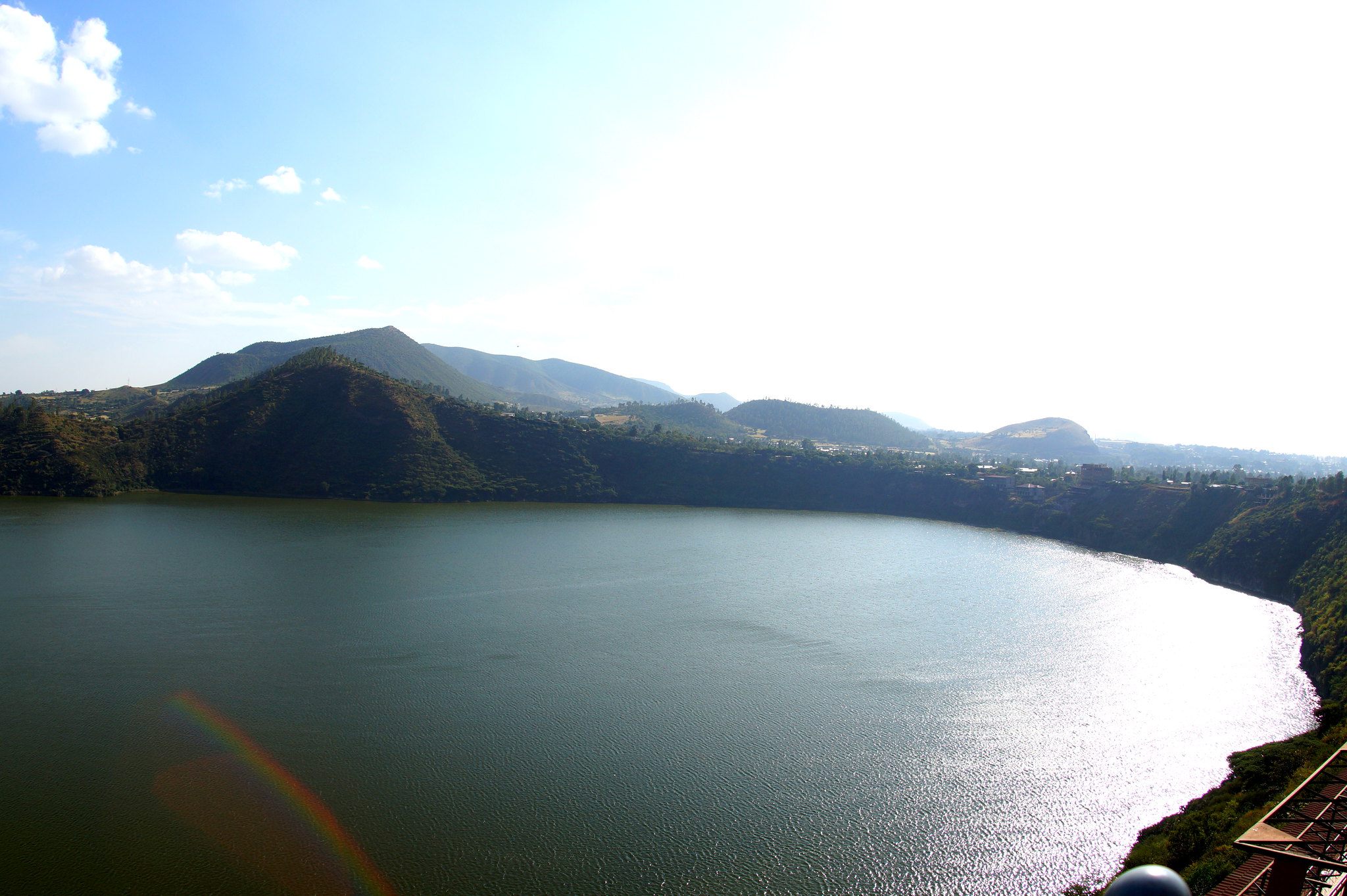
Photo Credit : Ian Chioukh
Cost of Accommodation in Ethiopia
When it comes to finding a place to stay in Ethiopia, you have plenty of options to choose from. Whether you prefer luxurious hotels, budget-friendly guesthouses, or homestays with local families, Ethiopia has something to offer for every budget and travel style.
Hotels are the most popular type of accommodation in Ethiopia, with a wide range of options available in major cities and tourist destinations. Luxury hotels offer high-end amenities such as swimming pools, spas, and fine dining restaurants, while mid-range hotels provide comfortable rooms at more affordable prices. On average, you can expect to pay between $50 and $150 per night for a hotel room in Ethiopia, depending on the location and level of luxury.
For budget-conscious travelers, guesthouses are a great alternative to hotels. These small, family-run establishments offer basic rooms with shared bathrooms and simple amenities, but provide a more authentic and intimate experience of Ethiopian hospitality. Guesthouses are especially common in rural areas and small towns, and prices typically range from $10 to $30 per night.
If you’re looking for an even more immersive cultural experience, you might consider staying with a local family through a homestay program. Homestays allow you to live with a local family, eat traditional meals, and learn about Ethiopian customs and traditions. Prices for homestays vary depending on the location and length of stay, but typically range from $20 to $50 per night.
Another option for budget travelers is camping, which is allowed in many national parks and nature reserves in Ethiopia. Camping fees range from $5 to $15 per night, and provide a unique opportunity to experience Ethiopia’s natural beauty up close.
No matter which type of accommodation you choose, be sure to book in advance, especially during peak tourist season from October to April. These are some of the tricks to reduce the cost of living in Ethiopia. You can also save money by booking through local travel agencies or online platforms that offer discounts and promotions.
Cost of Food and Drink in Ethiopia
Ethiopia is a culinary paradise with a rich food culture influenced by its diverse regions and ethnic groups. The country’s traditional cuisine is known for its bold and spicy flavors, and visitors can expect to savor a variety of dishes made with locally sourced ingredients during their stay. In addition to Ethiopian cuisine, international cuisine is also available in larger cities like Addis Ababa.
Typical meals in Ethiopia consist of injera, a spongy sourdough flatbread, served with a variety of stews and curries made with vegetables, meat, or lentils. Meat dishes such as tibs, kitfo, and doro wat are popular among locals and visitors alike. Vegetarians and vegans can enjoy a variety of vegetable dishes such as shiro, misir wat, and gomen.
The price of food in Ethiopia varies depending on the type of restaurant or eatery you choose. A meal in a mid-range restaurant can cost between 100-200 Ethiopian birr ($2-4 USD), while street food and small cafes are even more affordable, with prices ranging from 10-50 Ethiopian birr ($0.20-1 USD) per meal. If you want to save money on food, consider eating like locals and opting for street food or small cafes where prices are lower.
In addition to food, you can also enjoy a variety of beverages in Ethiopia, including traditional drinks such as tej, a sweet honey wine, and coffee, which is a staple in Ethiopian culture. Visitors can indulge in coffee ceremonies and sample different types of coffee beans in coffee shops around the country. The price of drinks varies depending on the type of drink and where you buy it. A cup of coffee can cost between 10-30 Ethiopian birr ($0.20-0.60 USD), while a bottle of water costs around 10-20 Ethiopian birr ($0.20-0.40 USD).
Transportation Cost in Ethiopia
Considering the cost of living in Ethiopia, transportation plays a major role. Ethiopia has a variety of transportation options available for tourists. The most common modes of transportation include buses, taxis, and car rentals.
Buses are the most affordable mode of transportation in Ethiopia. There are many bus companies that operate throughout the country, providing a cheap and reliable way to travel between cities and towns. For example, a bus ticket from Addis Ababa to Bahir Dar typically costs around 200 ETB (around $5 USD) and takes around 10 hours.
Taxis are also a common mode of transportation in Ethiopia, and can be found in most cities and towns. Taxis are more expensive than buses, but can be a convenient way to get around, especially for shorter distances. The cost of a taxi ride can vary depending on the distance traveled, time of day, and bargaining skills. As a rough guide, a short taxi ride within a city will typically cost around 100 ETB (around $2.50 USD), while longer journeys between cities can cost several hundred dollars.
For those who prefer more independence and flexibility, car rentals are also available in Ethiopia. Rental companies are typically found in larger cities and require a valid driver’s license and a deposit to rent a car. Prices for car rentals vary depending on the type of car and the length of rental, but as a rough guide, expect to pay around $50-70 USD per day.
If you’re looking to save money on transportation while in Ethiopia, the best option is to use public transportation. Buses and minibuses are affordable and can be found in most towns and cities. It’s important to note, however, that public transportation can be crowded and uncomfortable at times, especially during peak travel periods.
Alternatively, if you choose to take a taxi, it’s important to negotiate the fare before you get in. Taxi drivers in Ethiopia often try to charge higher prices to tourists, so it’s important to agree on a price before starting your journey. It’s also a good idea to ask locals or your accommodation for an idea of what a fair price should be.
Cost Of Trekking and Sightseeing in Ethiopia
The cost of trekking in Ethiopia can vary depending on several factors such as the duration of the trek, the location, and the level of services provided. Here are some estimated costs for trekking in Ethiopia:
Simien Mountains trek: A 3-day trek in the Simien Mountains can cost around $200-$300 per person, which includes a licensed guide, a cook, and all meals during the trek. Accommodation is usually in basic camping tents.
Bale Mountains trek: A 4-day trek in the Bale Mountains can cost around $300-$400 per person, which includes a licensed guide, a cook, and all meals during the trek. Accommodation is usually in basic camping tents.
Danakil Depression trek: A 5-day trek in the Danakil Depression can cost around $600-$700 per person, which includes a licensed guide, a cook, and all meals during the trek. Accommodation is usually in basic camping tents.
Tigray churches trek: A 3-day trek to visit the rock-hewn churches of Tigray can cost around $250-$350 per person, which includes a licensed guide, all meals, and basic accommodation in local guesthouses.
Historic Route: The Historic Route in northern Ethiopia includes visits to several UNESCO World Heritage Sites such as Lalibela, Gondar, and Axum. A 10-day tour with a licensed guide, accommodation, and meals can cost around $1,500-$2,000 per person.
Addis Ababa: A guided sightseeing tour of Addis Ababa, the capital city of Ethiopia, can cost around $50-$100 per person. This includes visits to attractions such as the National Museum, the Holy Trinity Cathedral, and the Merkato market.
Omo Valley: The Omo Valley in southern Ethiopia is home to several ethnic groups such as the Mursi, Karo, and Hamar, known for their unique cultures and traditions. A 7-day tour with a licensed guide, accommodation, and meals can cost around $1,000-$1,500 per person.
Harar: Harar, a walled city in eastern Ethiopia, is known for its distinctive architecture, rich history, and cultural diversity. A guided tour of Harar can cost around $50-$100 per person, which includes visits to attractions such as the Harar Museum and the Hyena feeding site.
It’s important to note that these prices are estimates and can vary depending on the level of services and the season.
Other Expenses
In addition to accommodation, food, and transportation, visitors to Ethiopia may also need to budget for other expenses such as entrance fees for attractions, souvenirs, and tips.
Entrance fees for attractions in Ethiopia can vary widely, depending on the type of attraction and whether you are a foreigner or a local. For example, entrance fees for national parks can range from 90 birr ($2) for locals to 1,000 birr ($23) for foreigners. Historical sites such as the Lalibela rock-hewn churches and the Axum obelisks also have different entrance fees for locals and foreigners, with foreigners paying significantly more.
If you plan to buy souvenirs, keep in mind that bargaining is expected in Ethiopia. Prices for souvenirs can vary widely, so it’s important to shop around and haggle for the best price. Popular souvenirs include traditional Ethiopian clothing, jewelry, coffee, and spices.
Tipping is not common in Ethiopia, but it is appreciated for exceptional service. If you do decide to tip, a small amount (such as 10-15% of the total bill) is sufficient.
To budget for these expenses, it’s a good idea to research the specific attractions and souvenirs you are interested in and find out the typical prices. This will help you plan your budget and avoid overspending.
While there are additional expenses to consider when visiting Ethiopia, they are generally affordable compared to many other destinations. By doing your research, bargaining for the best prices, and being mindful of your spending, you can have a great trip to Ethiopia without breaking the bank.
FAQs
How much money do you need to live a decent life in Ethiopia?
The cost of living in Ethiopia is relatively low, and you can live a decent life with a monthly budget of around $500-$700.
How much is rent in Ethiopia in US dollars?
Rent in Ethiopia varies depending on the location and type of accommodation, but on average, you can expect to pay around $200-$300 per month for a one-bedroom apartment in the city center.
Is food expensive in Ethiopia?
No, food in Ethiopia is generally affordable and inexpensive. You can enjoy a meal at a local restaurant for as little as $2-$3.
Is Ethiopia good for living?
Yes, Ethiopia is a great place to live with its rich history and culture, friendly people, and beautiful landscapes. The cost of living is low, making it an affordable option for expats.

