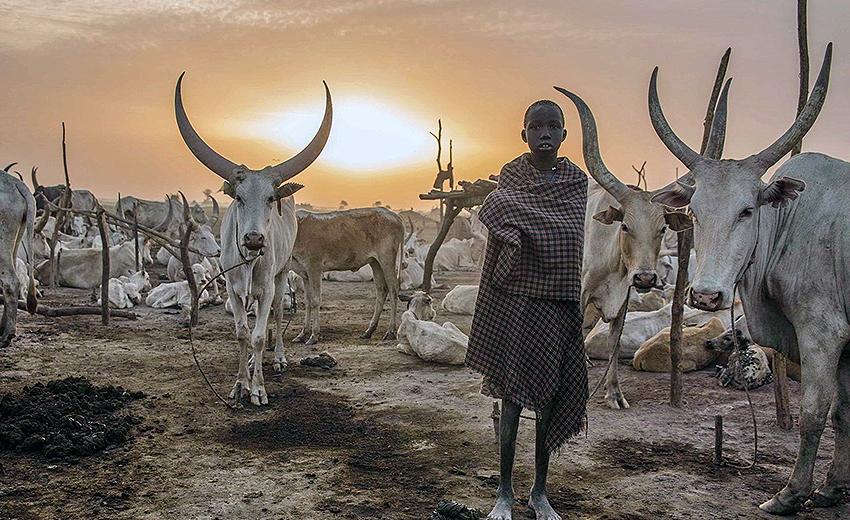
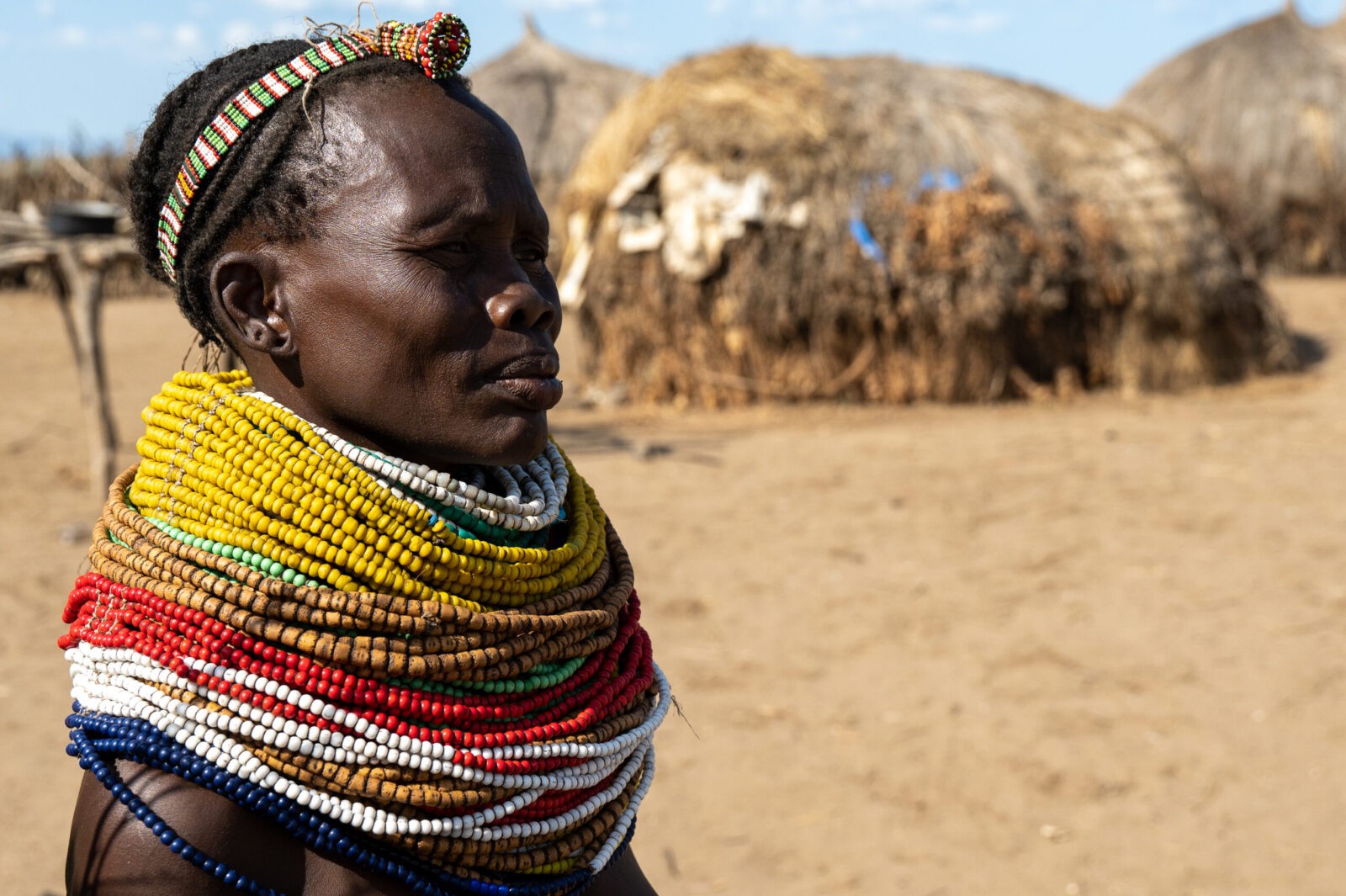
Ethiopia is a museum of peoples, an abundant and diverse mix of ethnic cultures with 83 different languages as well as over 200 dialects. Yet in this jampacked cultural mosaic, the tribal diversity of the Omo River Valley is exceptional and remarkable. The lower valley of the Omo River, unlike various other places on Earth, has the largest diversity of ethnically different groups in the whole of Ethiopia as well as in Africa. A Cultural Journey to the Omo Valley is a real exploration of coming across a few of the most amazing tribal peoples in the world. To this day, the Omo Valley continues to be abundant in typical culture. Many describe the Omo as being the home of the human race, a fusion of cultures, and representing a few of the best hereditary variations. The tribes have actually lived here for centuries, and since the exploration of human remains going back 2.5 million years, the Lower Omo Valley has been registered as UNESCO Heritage site. Situated in southwest Ethiopia, the Omo Valley is a marvelously stunning and varied landscape. The Omo River, one of the largest Ethiopian rivers outside the Nile Basin, flows along the valley on the last leg of its journey to Lake Turkana, the biggest desert lake worldwide. The river plays a vital role in the lives of the tribes and serves as an umbilical cord for Lake Turkana. Omo Valley people are as photogenic as they are interesting. Hundreds of small tribal towns dot the substantial savannah landscape, and each ethnic group has its own unique custom-made and also their very own language. The majority are agro-pastoralists who practice flood-retreat farming on the financial institutions of the Omo River as well as also elevate cattle where the annual flooding of the Omo River restores vital grazing locations. For a lot of these ethnic teams, livestock is a resource of satisfaction, wealth, and also food, and are totally connected to social identity. The annual flooding of the Omo River determines the rhythms of life as well as the culture that penetrate the location. These distinct tribes reside in straightforward make change huts, dress typically, a beverage from calabashes, and live a way of life comparable to exactly how they lived because of the turn of the very first centuries. The landscape with its many lakes as well as hills is superb. In some areas, the large-level expanses of land are so great that you seem like you can see the curvature of the earth. Admire their pet skin cloths, handmade headdresses, lip plates, fighting exhibitions, and ancient scarification events, that will make you really feel like you have actually taken a trip back in time countless years. The beautiful Hamar, the Mursi, Ari, Benna, Karo, Dassenech, Arbore, and Nyangatom are unique ones among others. No place else in the world does so many genetically and also linguistically diverse primitive people reside in such a little area.
The Hamar
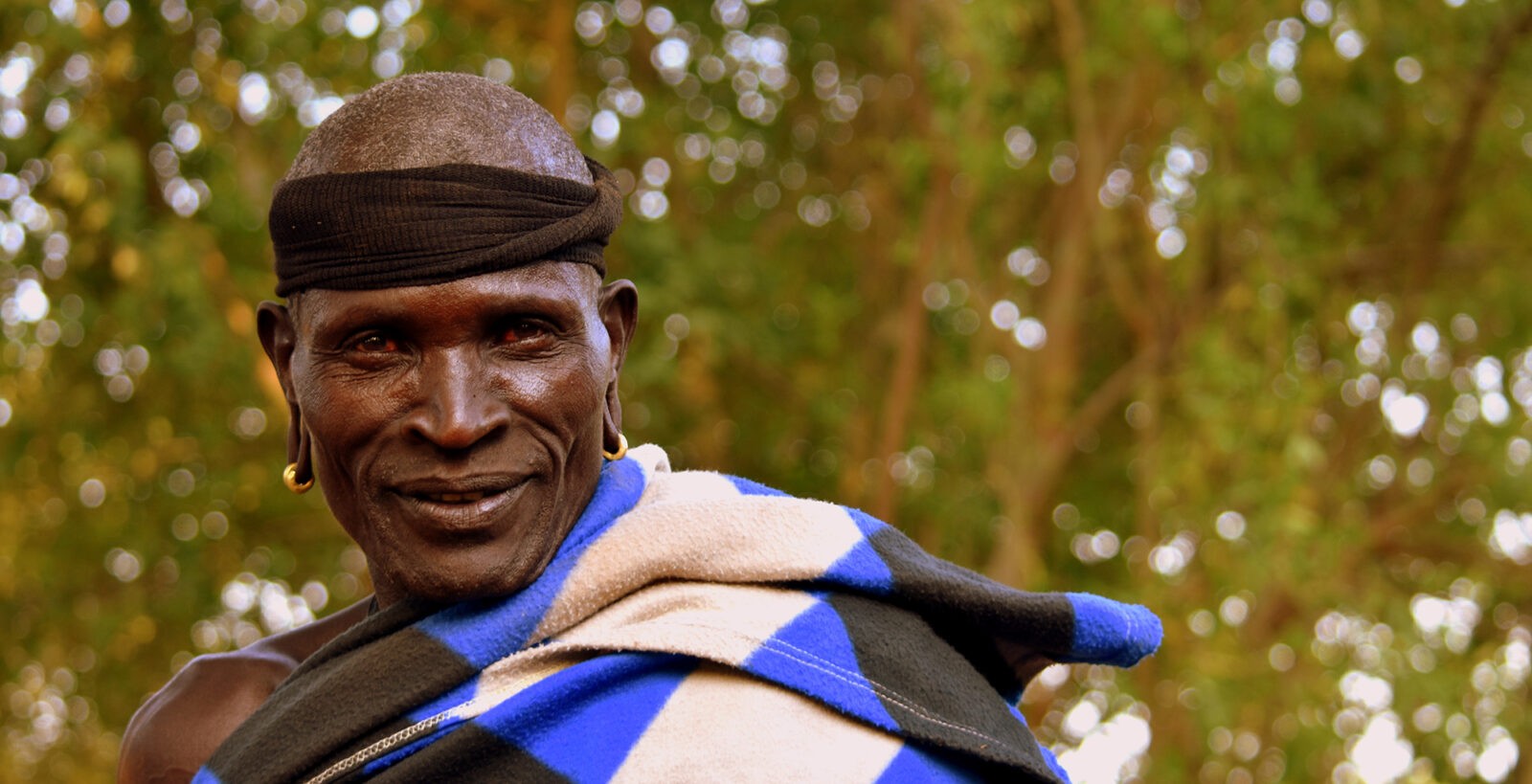
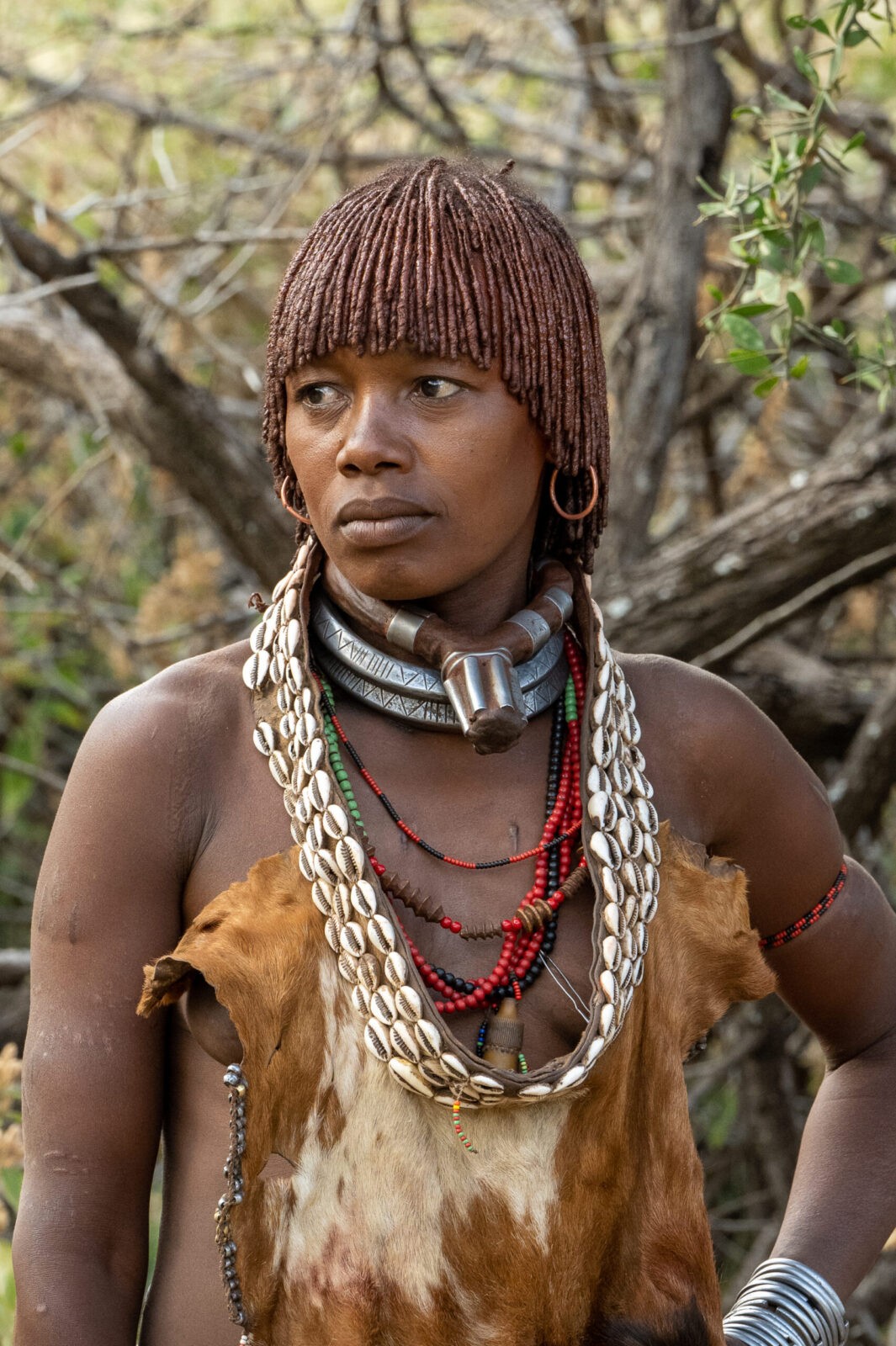
Hamer are among the most well-known as well as striking tribes in the Omo Valley of Southwestern Ethiopia. They live in the region east of the Omo River as well as having villages in Turmi and also Dimeka. They are semi-nomadic, pastoral people, numbering 42,000. Their cattle and honey are the main activities that are significant to their lives. They will stay for a few months anywhere there is a sufficient yard for grazing and installing their round huts. The Hamar are popular for their unique ritual called the “bull-leaping ceremony,” in which a young male needs to succeed in order to marry. A Hamar male matures by leaping over a line of livestock as an initiation rite of flow. It’s the ceremony that qualifies him to marry, own livestock, and have children. The timing of the ceremony is up to the man’s mom and dad, as it happens after the harvest. The Hamer ladies are one of the most embellished of the Omo individuals. They wear vivid and also lovely beaded skins, elaborate lockets, as well as steel bracelets around their ankles as well as wrists. The ladies are likewise popular for their hairdo—a crown of long dread-lock braids covered in ocher.
The Mursi
It is also very common that scarifications are made, especially in arms, chest, and back, as a sign of elegance, strength, and courage.
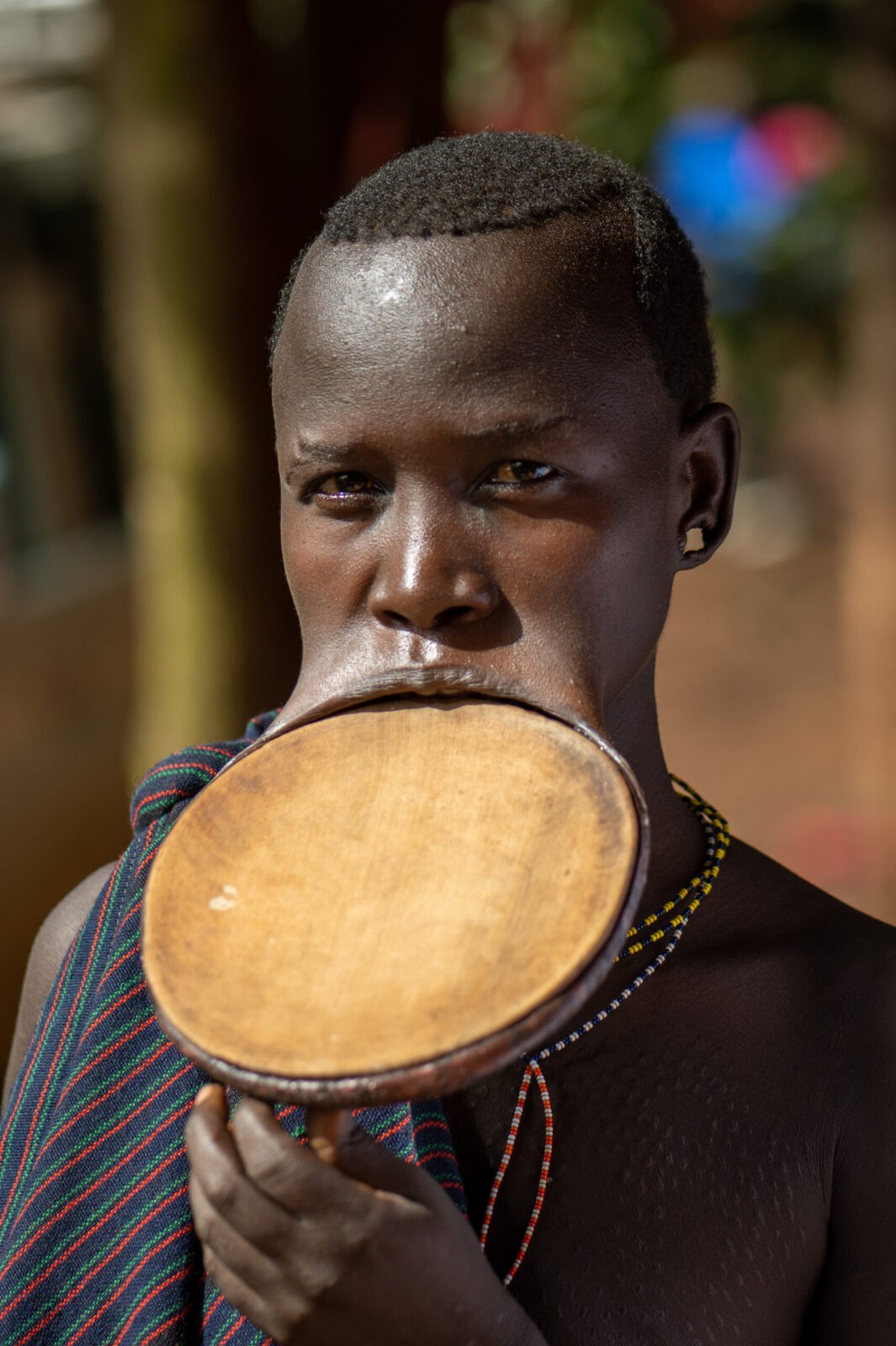
Mursi are a Nilotic pastoralist ethnic group who resides in Omo Valley. Surrounded by hills in between} the Omo River and its tributary the Mago. The home of the Mursi is among the most isolated areas of the country. As a result of the environment, they relocate twice a year between the winter and summer seasons. They herd livestock} and grow and cultivate crops along the bank of the Omo River. The Mursi are among the most appealing tribes. Recognized for their warrior and aggressive spirit. Like the Surma, they preserve among various other ancestral practices the Donga, a festive fight between youngsters in which the warriors that acquire the victory acquire the right to choose a spouse and respect of challengers. Mursi females put on clay or wood plates embedded in their lips and ears and, as are additionally remarkable hairstyles with ornaments such as steel rings and different fabrics. The males wear magnificent drawings painted with white chalk throughout their bodies. Both males and females embellish their bodies with all-natural pigments extracted from minerals and veggies, which aids them as insect repellent when blended with ash and livestock. It is also typical that scarifications are made, particularly in arms, upper body, and back, as an indication of style, strength, and courage.
The Karo
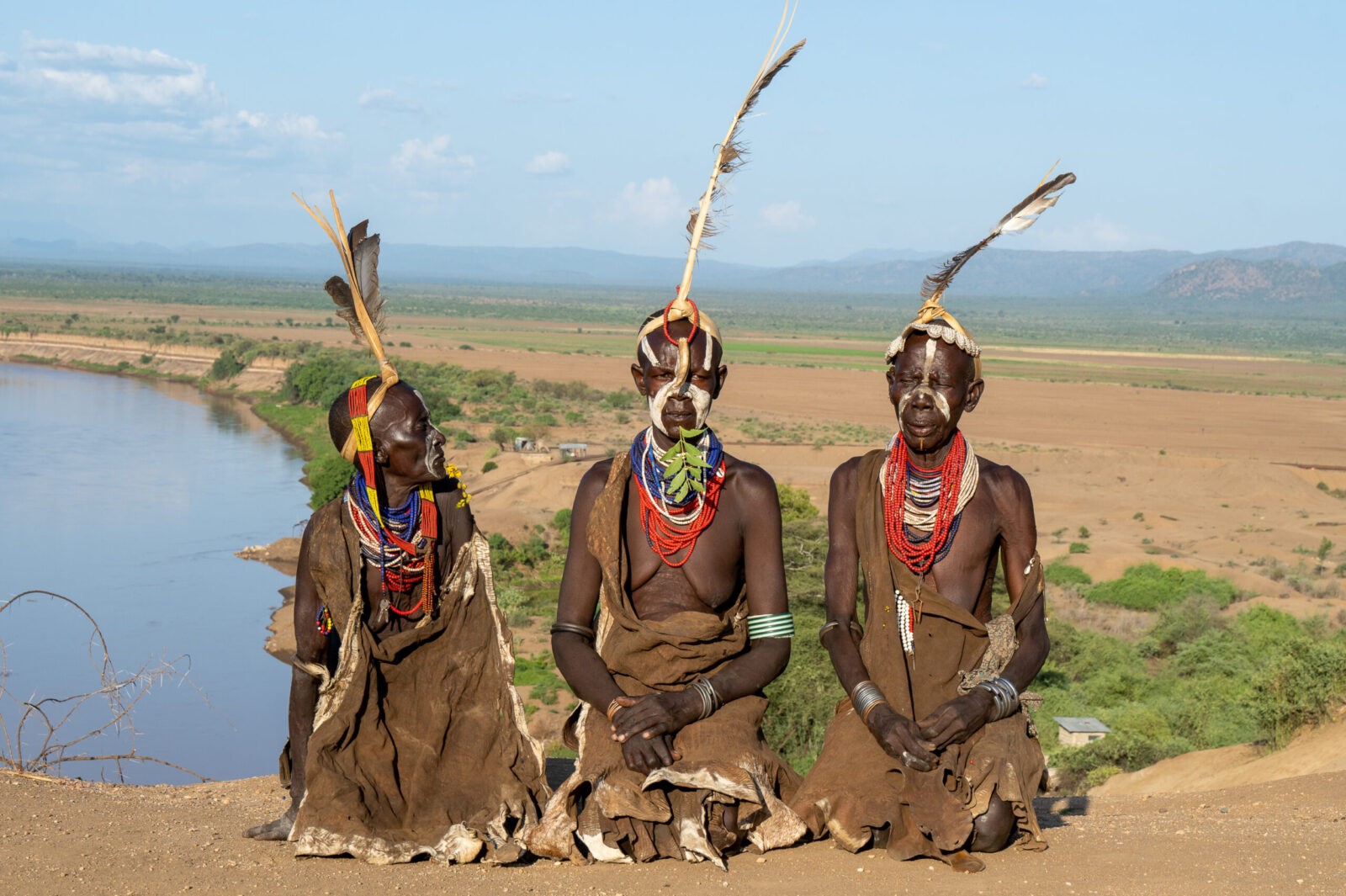
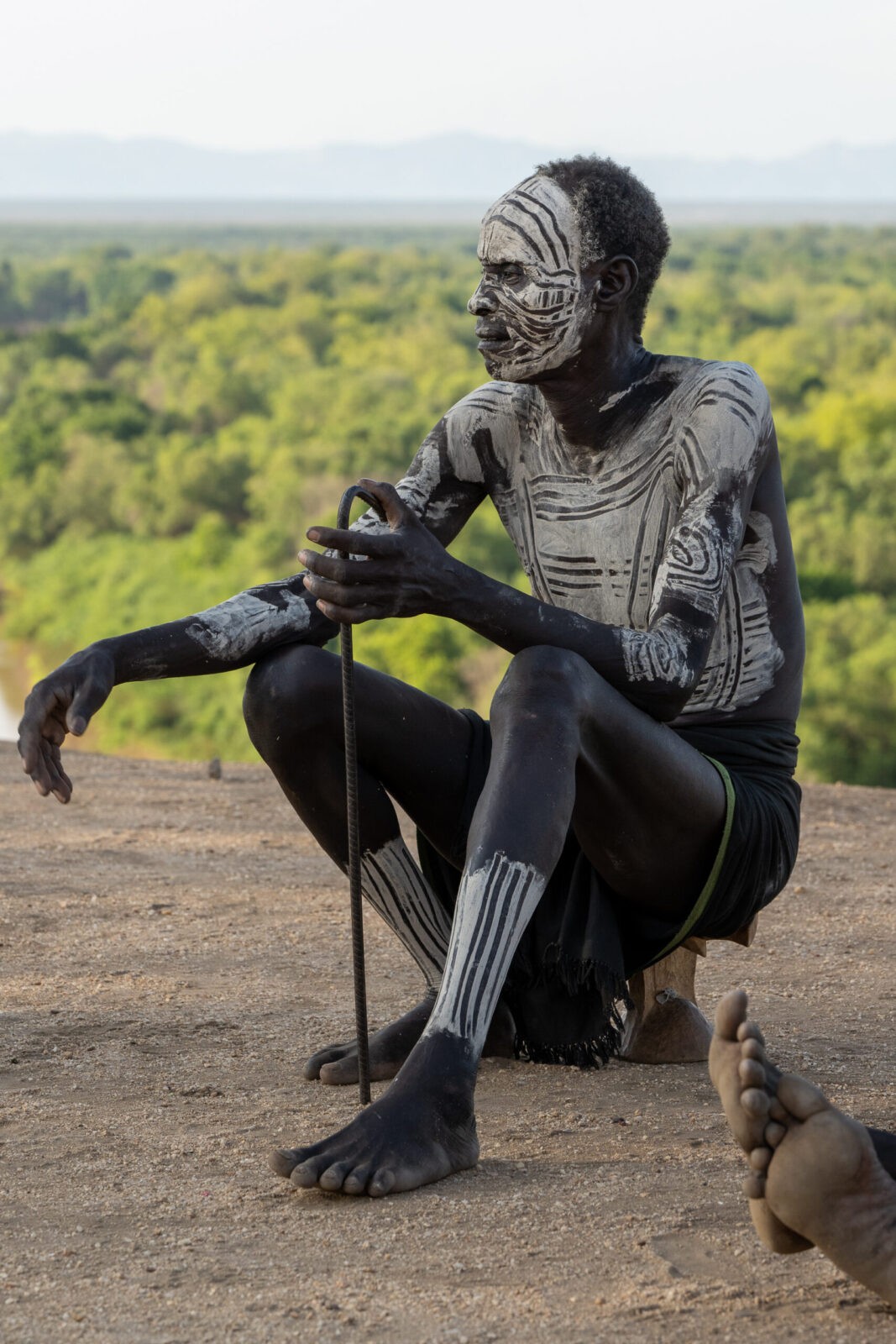
The Karo, or Kara, are a Nilotic ethnic group in Ethiopia renowned for their body paint and the smallest tribe in Southern Omo Valley that reside along the banks of the Omo River. Bordered by much more powerful as well as wealthier people, there’s a complicated social hierarchy to thwart intermarriage and maintain their family lineages pure. Much like many initial people, they are differentiated by practices peculiar to them. The desire to decorate themselves with bright colors is just one of the most striking features of the Karo tribal culture, the Karo are unarguably naturally artistic. Asides farming and also livestock, they are known for their alluring and intricate body and also face paint. They decorate their faces and bodies utilizing white chalk and minerals like the red ochre. These markings as well as paintings take fancy procedures with designs varying from simple and also fine dots to rough intentionally drawn. Animal concepts are a few of the striking body paint styles they do. Both females and males practice this ornamental and symbolic expression in a proposal to show up more attractive to the contrary sex. The youngest in the people also obtains his very own share of paintings.
The Dassenech
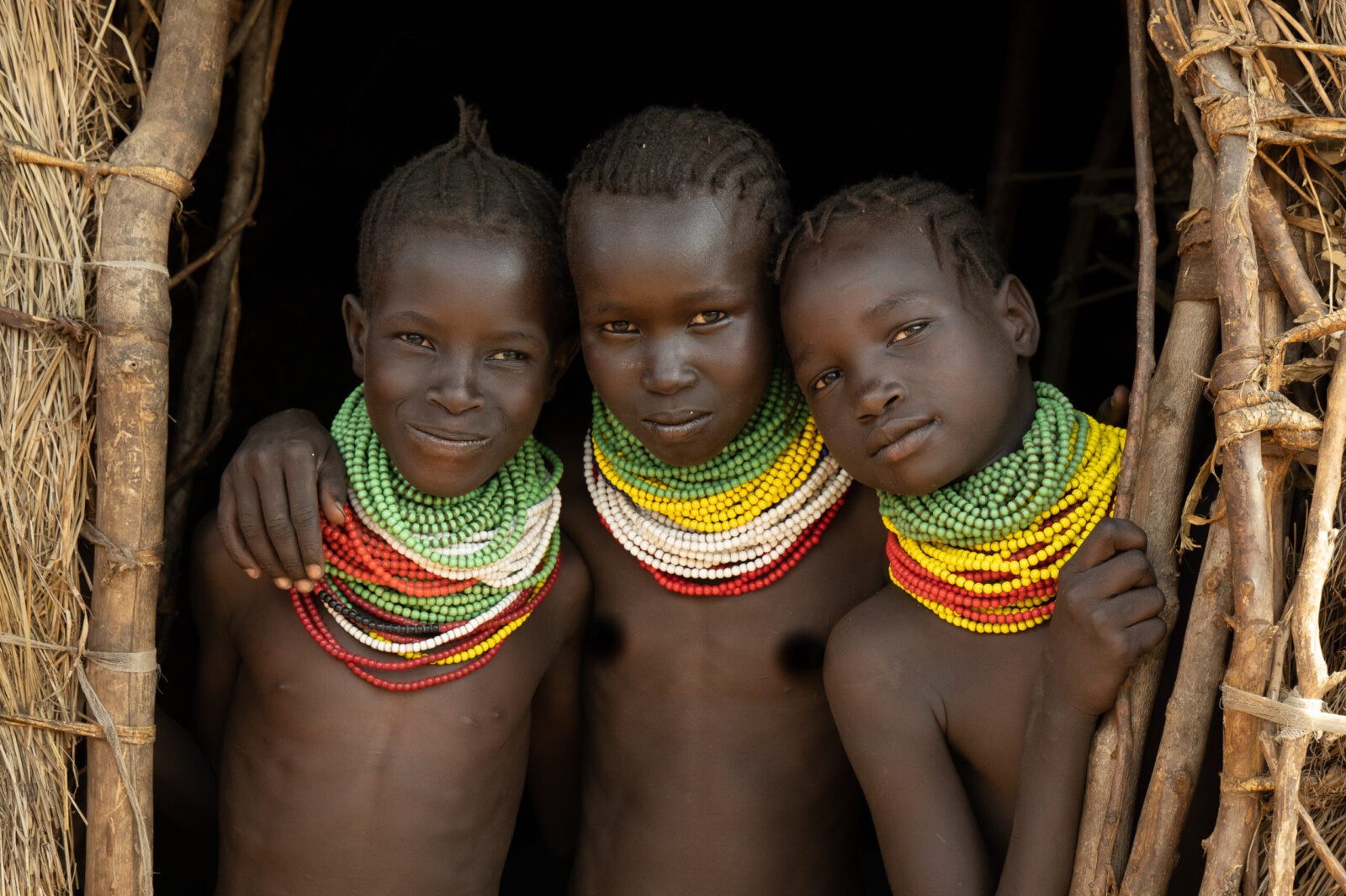
The Dassanech are among the well-known tribes living in the Omo Valley whose territory stretches to Lake Turkana in the south, and to the Omo River in the west. They are traditionally pastoralists, but in recent times have ended up being primarily agro-pastoral. They have four nearby ethnic groups; the Turkana, the Gabra, the Nyangatom, and the Hamar), that are considered enemies (kiz) due to a lengthy history of dispute. The Turkana, as well as the Gabra, lie in Kenya, while the Nyangatom and the Hamar are Ethiopians. They are divided by clans, 8 particularly, and also according to the forefather they come from, they will certainly come from one or an additional clan. Women always wear the upper part of the body naked, wear a kind of foulard or vibrantly colored textile that crinkles at the midsection, and also go barefoot. Their accessories are very peculiar: the majority of have tiny perforations under the lower lip that embellish with colorful detail, such as plumes. On the neck, they usually use brightly colored lockets. Oranges, yellows, or reds are one of the most used, most likely for describing the sun and for going according to the cozy environment of their lands. They also endured the wrists as well as ankles. Youngsters of both sexes continue to undergo circumcision events despite the fact that there are increasingly more voices of women who oppose the sex-related mutilation of girls.
The Nyangatom
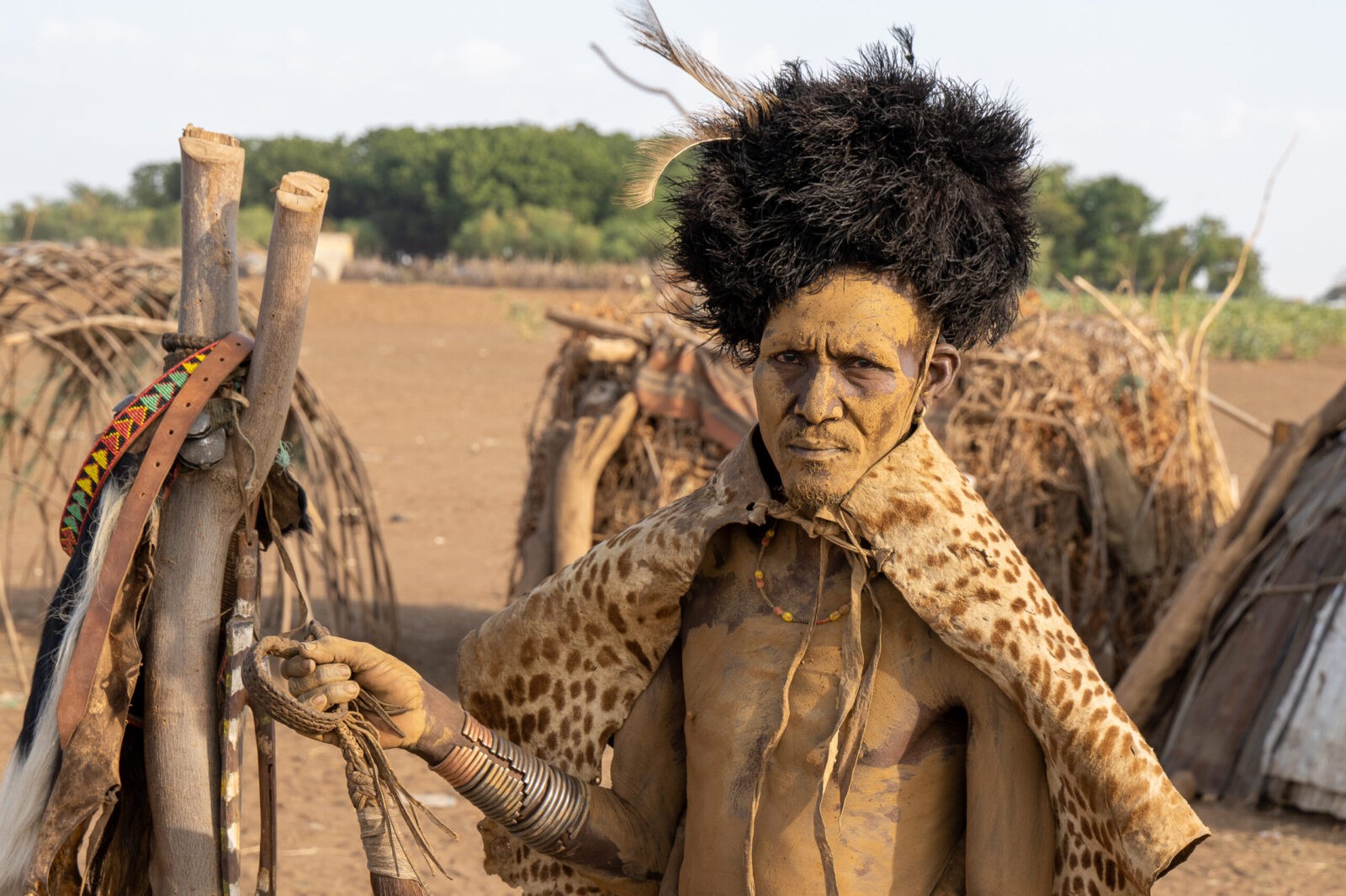
Like other Tribes of the Omo valley, the Nyangatom are agro-pastoralists populating the perimeter of north western Ethiopia as well as southeastern South Sudan and in the Ilemi Triangle with populations residing in both nations. Many Nyangatom are nomadic, living in mobile animals’ villages that might migrate a number of opportunities a year. A considerable amount of Nyangatom also dwells in semi-permanent communities at the bank of Ethiopia’s Omo River. It is common for individuals to relocate between mobile cattle camps and semi-permanent villages. The Nyangatom are widely known for their storytelling as well as vocal. Preferred animals of the boys of the tribe are called song cows as well as song bulls; in ceremonies and throughout fights along with neighboring tribes, the group sing regarding all of them. Nyangatom are looked at some of the richest as well as the best blooming people of the region.
They are tough warriors which is supposedly demonstrated by their tradition to scar their chest; one scar for every killed enemy. Female are renowned for their hefty necklaces as well as long flanks from goat skins, which are highly embellished. Ornaments were traditionally helped make coming from dry out seeds. The ladies additionally adorn themselves along with decorative scarification on their bellies, faces, and also chests. Customarily, until lately, the men were totally naked just as the better known Surma and Mursi. But recently they used a huge item of cloth, which they often wear tied all over the shoulder or wrapped around their hips, also pants and t-shirts. Additionally renowned for their unique deep wells which the Nyangatom people must dig in dry riverbeds during dry season in the villages far from the Omo River.
The Surma / Suri
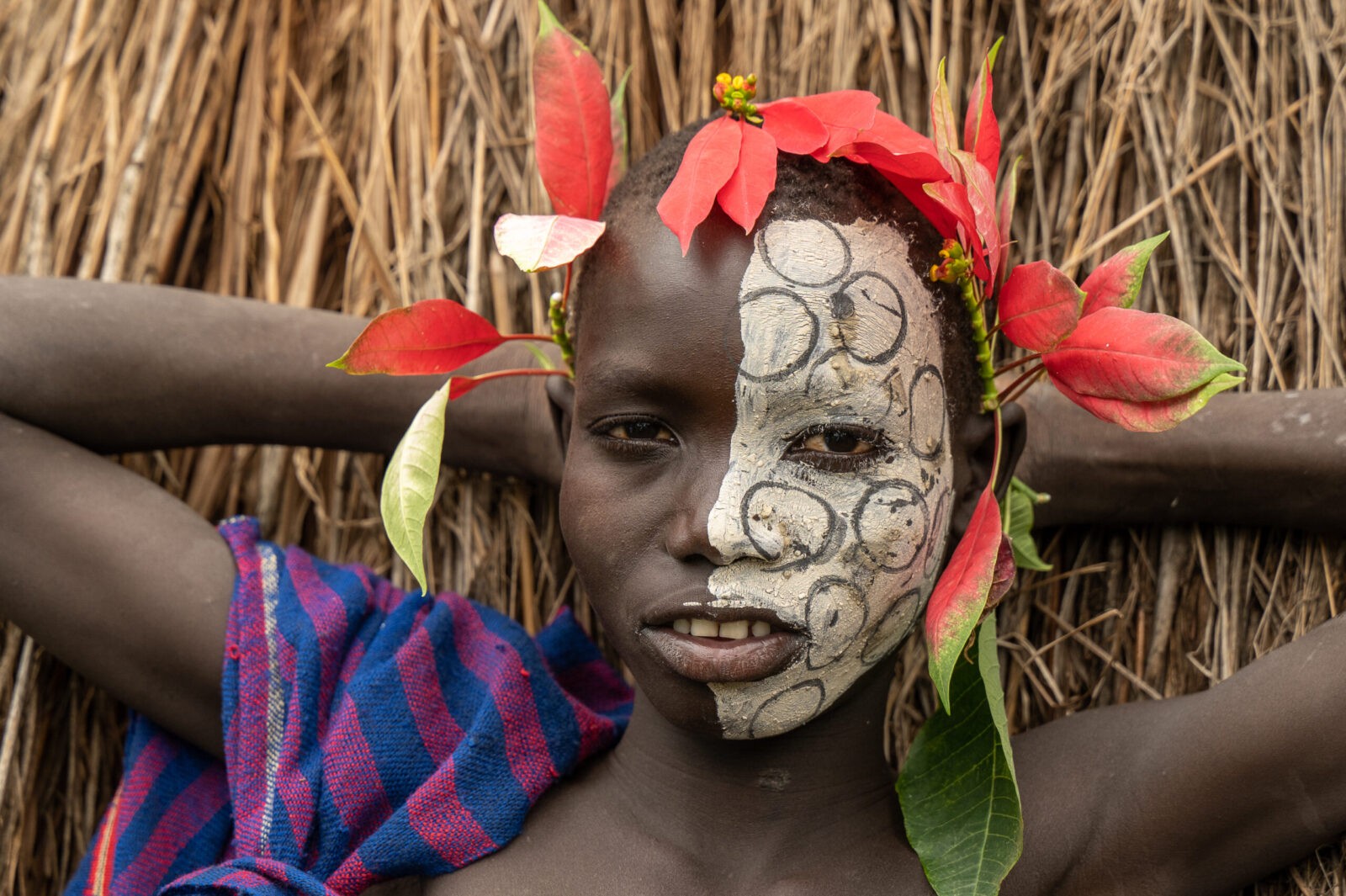
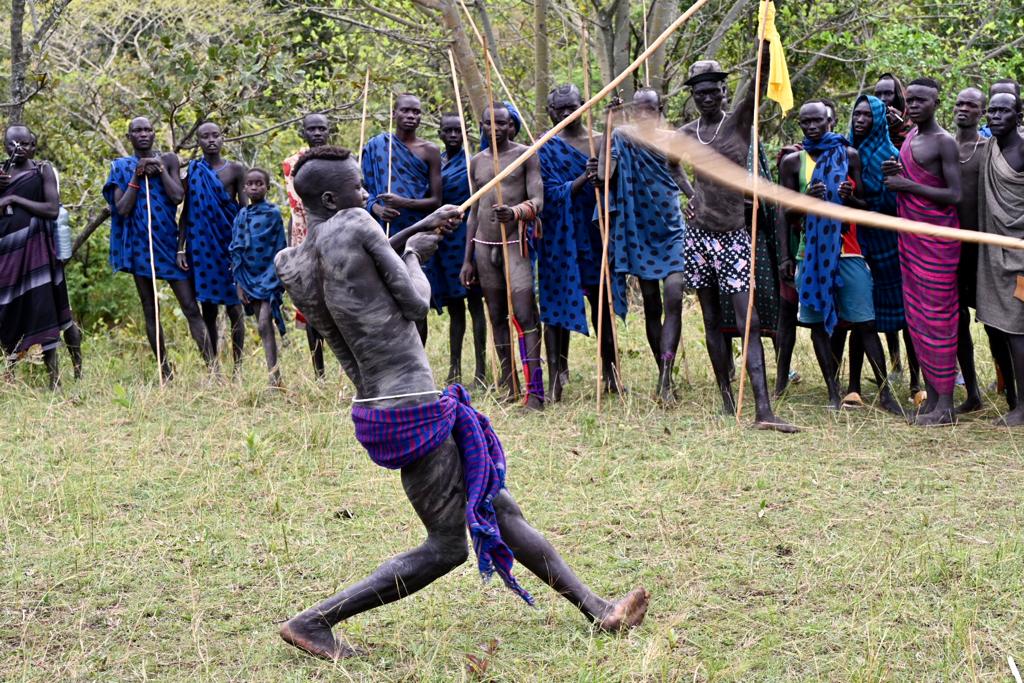
The Surma or Suri Tribe resides in the west Omo region of Ethiopia and they are agro-pastoralist. A striking and unique custom-made is the technique they decorate their entire body with figures painted with white colored chalk dissolved in water, occasionally blended with ocher or dyes from the soil. Ancestrally, this practice, goes back 400 years, was actually intimidate enemy, and today it is a cultural example that has gone beyond generations. The Surma people’s practice of having women start wearing clay plates on their earlobes at the age of 20 is another distinguishing characteristic.
When the time for marriage comes, the dowry will be more considerable because of the bigger size of the saucer that the bride carries because the one positioned on her lower lip transforms to a larger one. In contrast, the men compete in the long-stick fighting game known as Donga to show off their manliness and propensity for marriage while also adorning their bodies with serpentine designs. The main source of their wealth is their herd of cattle and goats. Sorghum, maize, cassava, cabbage, beans, yams, spice plants, and some tobacco are among the crops sown. Additionally, the Surma collect honey throughout the dry season. The Surma pan for gold in local streams and sell it to highland merchants for cash. Women from Suri used to produce earthenware as well.
Check out these
Awesome Tours