THE LAND OF THE QUEEN OF SHEBA
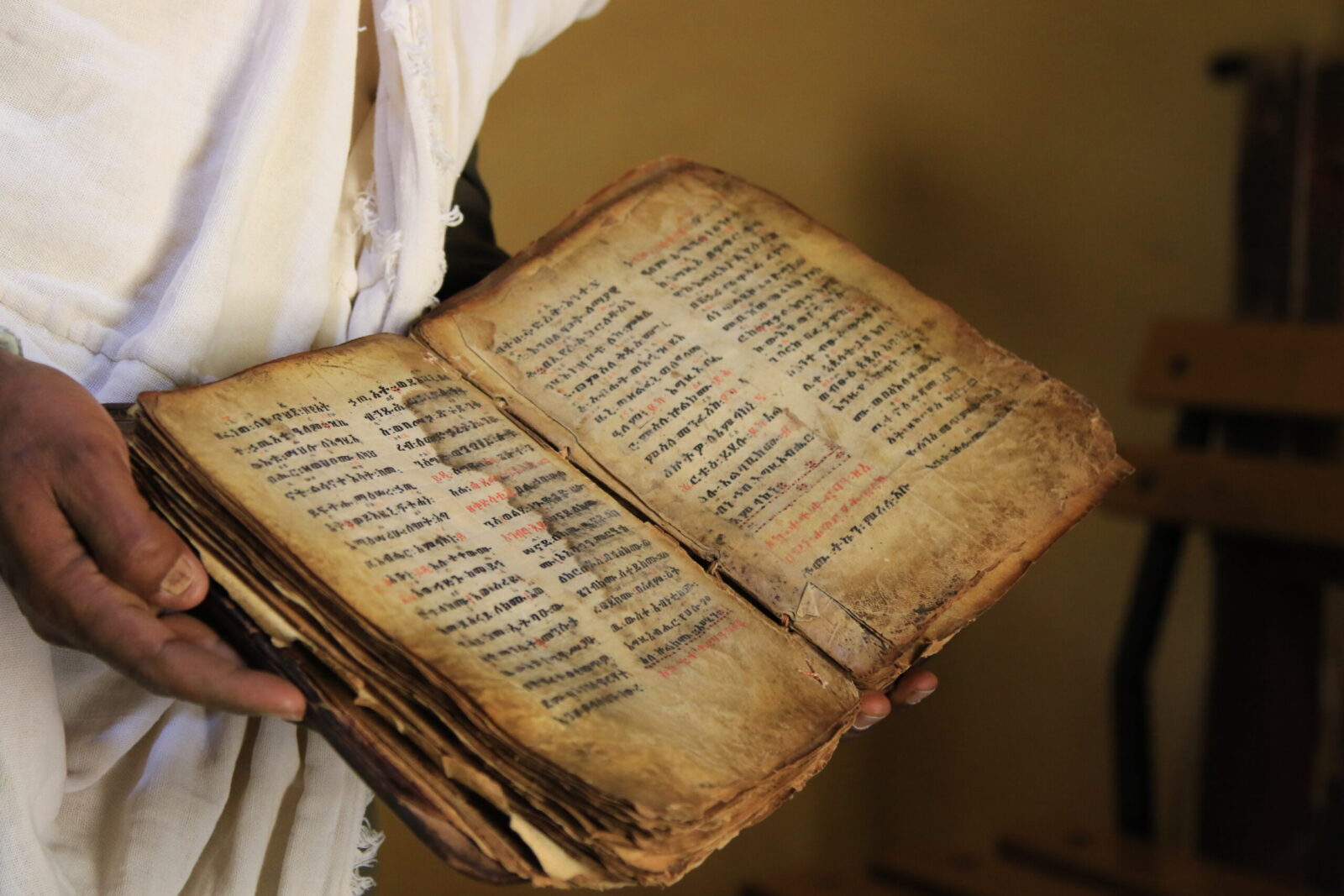
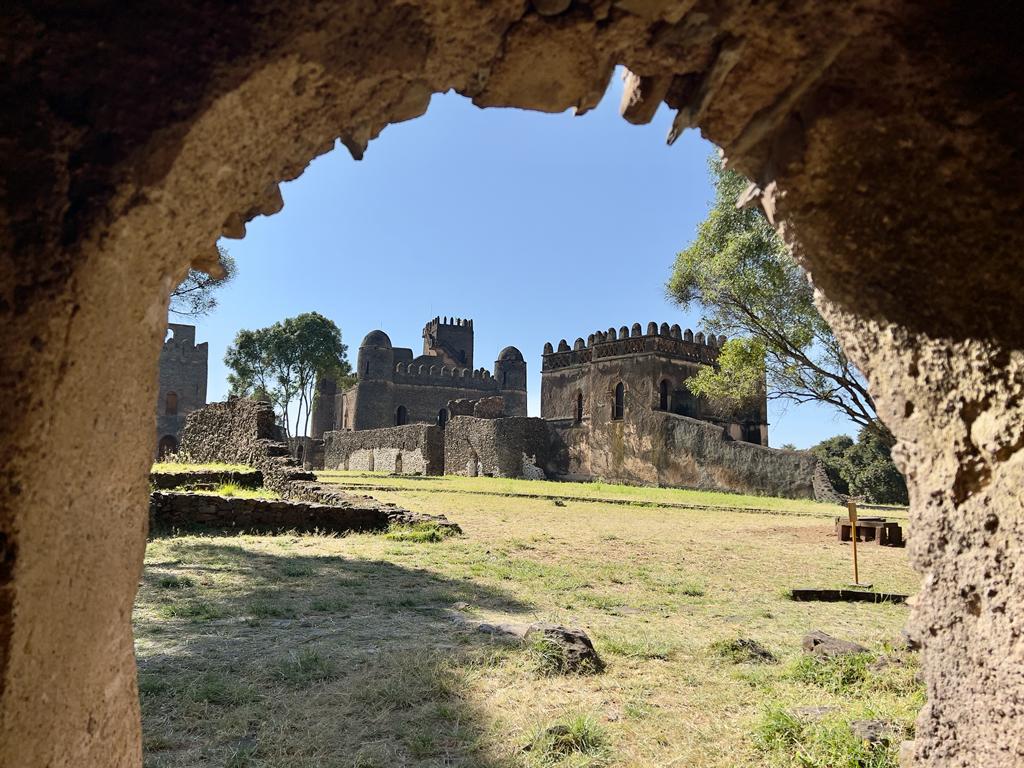
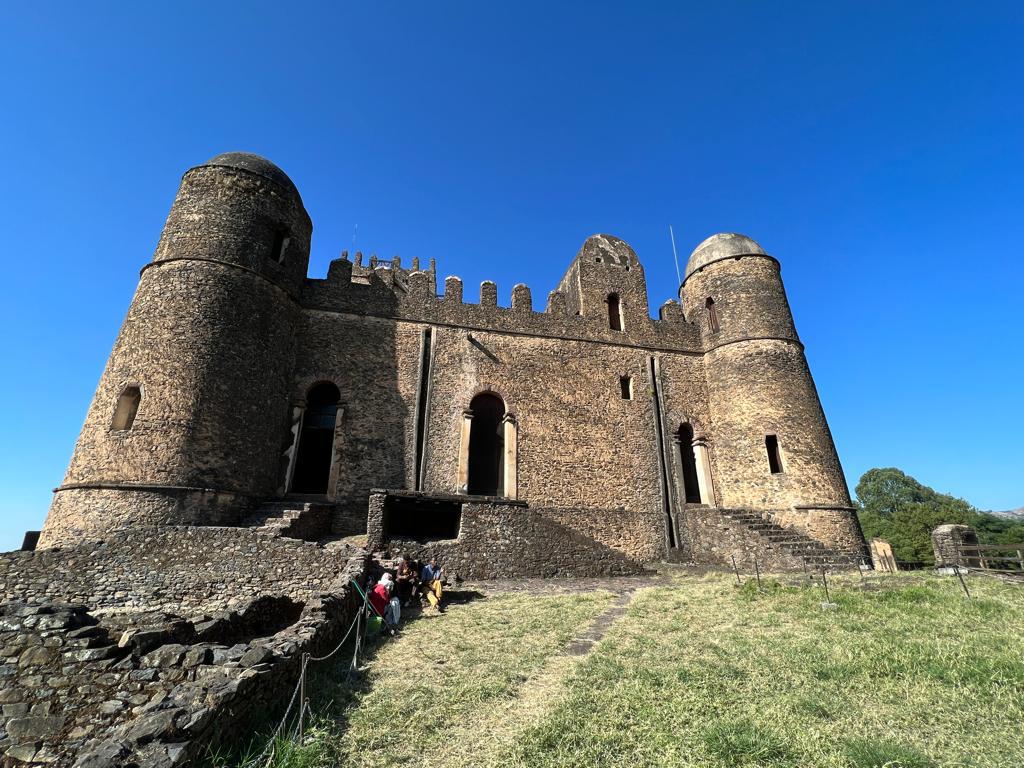
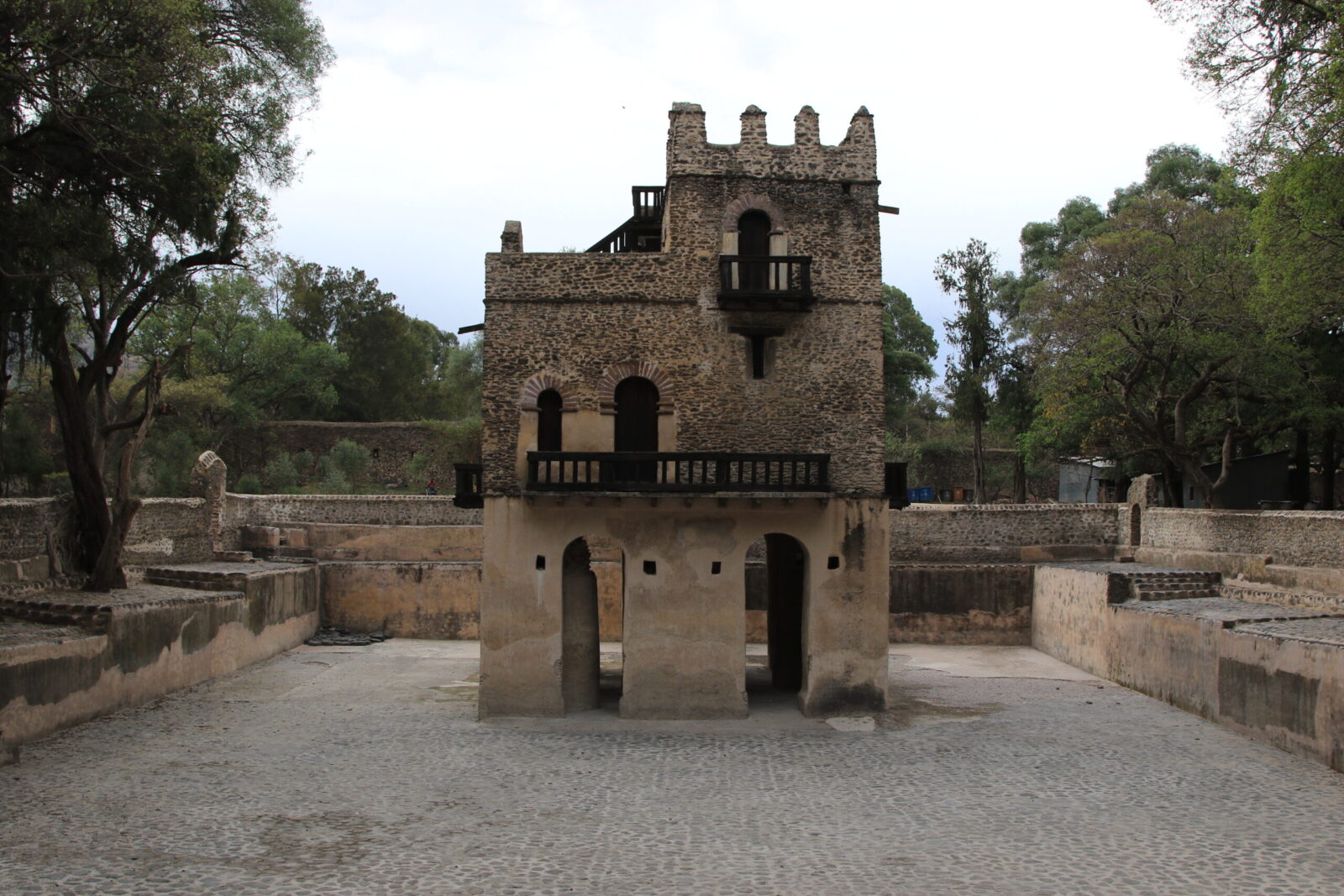
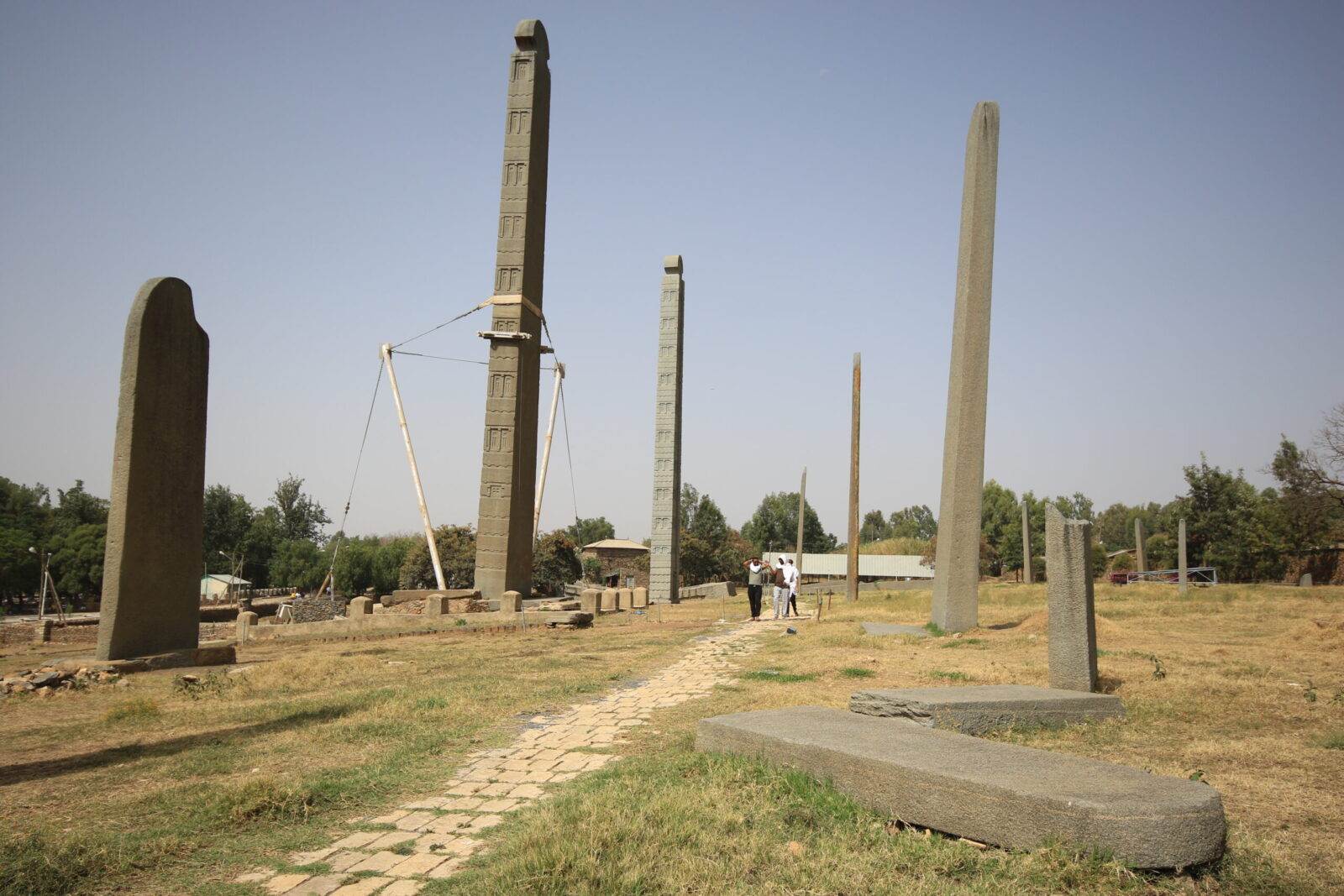
If Lucy and the Queen of Sheba appeal to our imagination, archaeology has also unearthed impressive monuments that bear witness to ancient civilizations, such as the Kingdom of Aksum Aksum is located in northern Ethiopia and was the capital of the eponymous kingdom of Axum. It is acknowledged as one of the four greatest civilizations of the world and yet surprisingly little is really known about it. Aksum is rich in its archaeological site that covers the remains of an influential city of ancient Ethiopia; ruins include stelae, tombs, castles, and obelisks. The kingdom had its own written language called Ge’ez, currently the working language of the Ethiopian Orthodox church. Aksum is a place of great mystery and wonder. It is the place of the Queen of Sheba, the site of the famous stelae and true Ark of the Covenant, and houses of treasure to be discovered.
Aksum was a center of trade and the early Aksumite rulers worshiped local gods, but around AD 360 the reigning king converted to Christianity and it becomes where Christianity was first introduced to sub-Saharan Africa. Ethiopia has a diverse mix of ethnic and linguistic backgrounds. This kingdom was at its height under king Ezana, baptized as Abreha, in the 4th century AD (which was also when it officially embraced Christianity). The Kingdom of Aksum existed from around AD 100–850, is also noted for its extraordinary works of art and architecture, ranging from palaces to enormous obelisks. Axum was very advanced for their time period; they were able to create 33 meters tall obelisk.
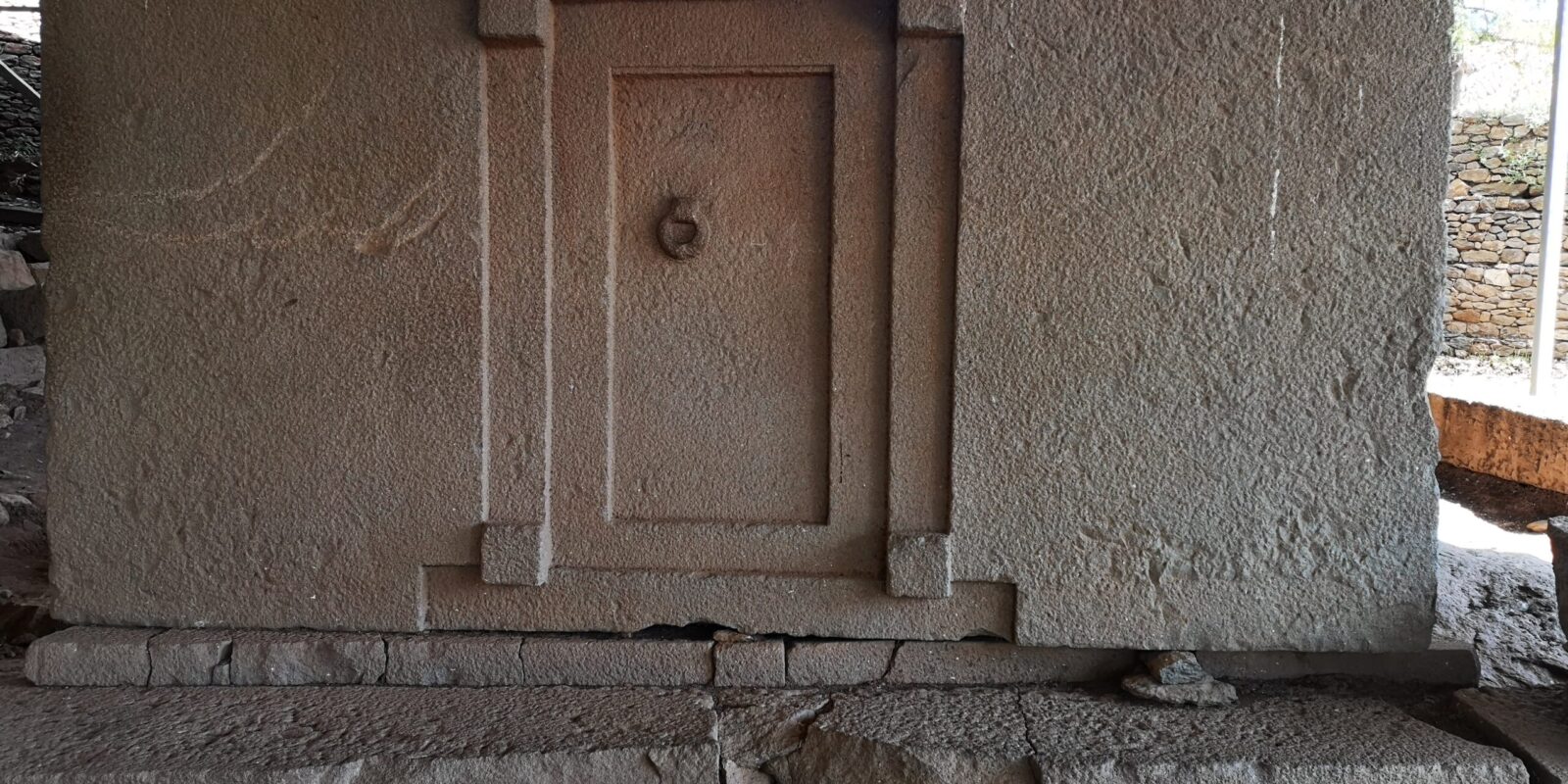
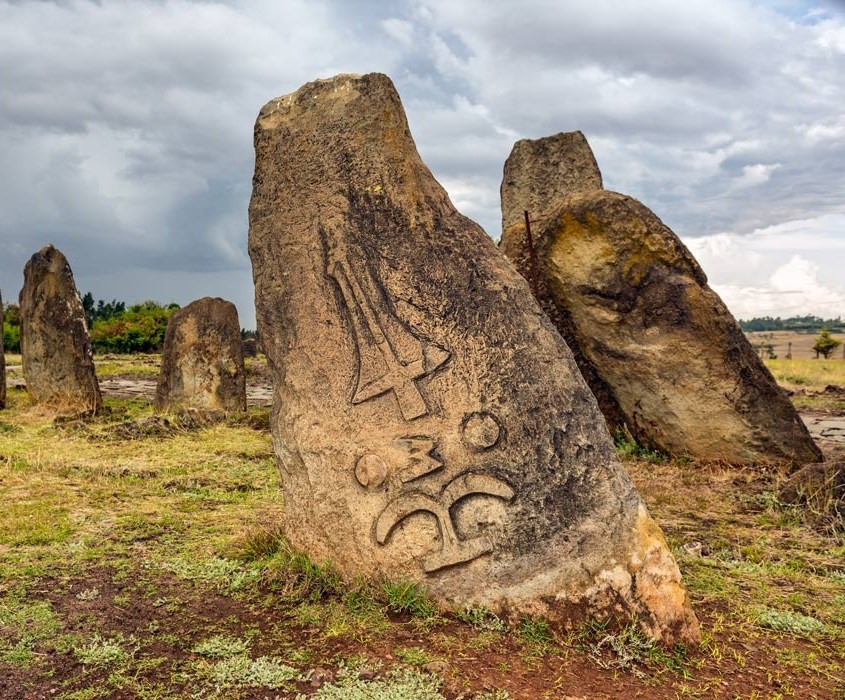
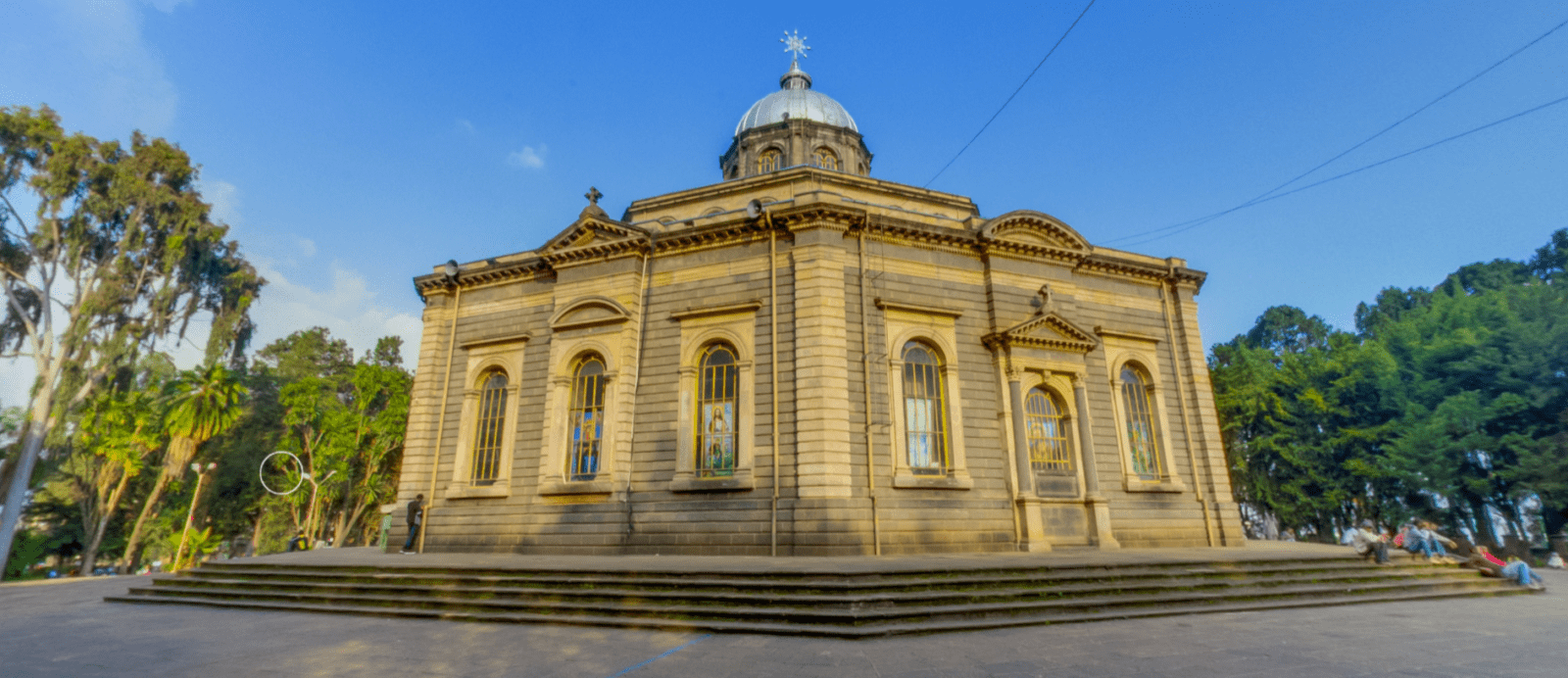
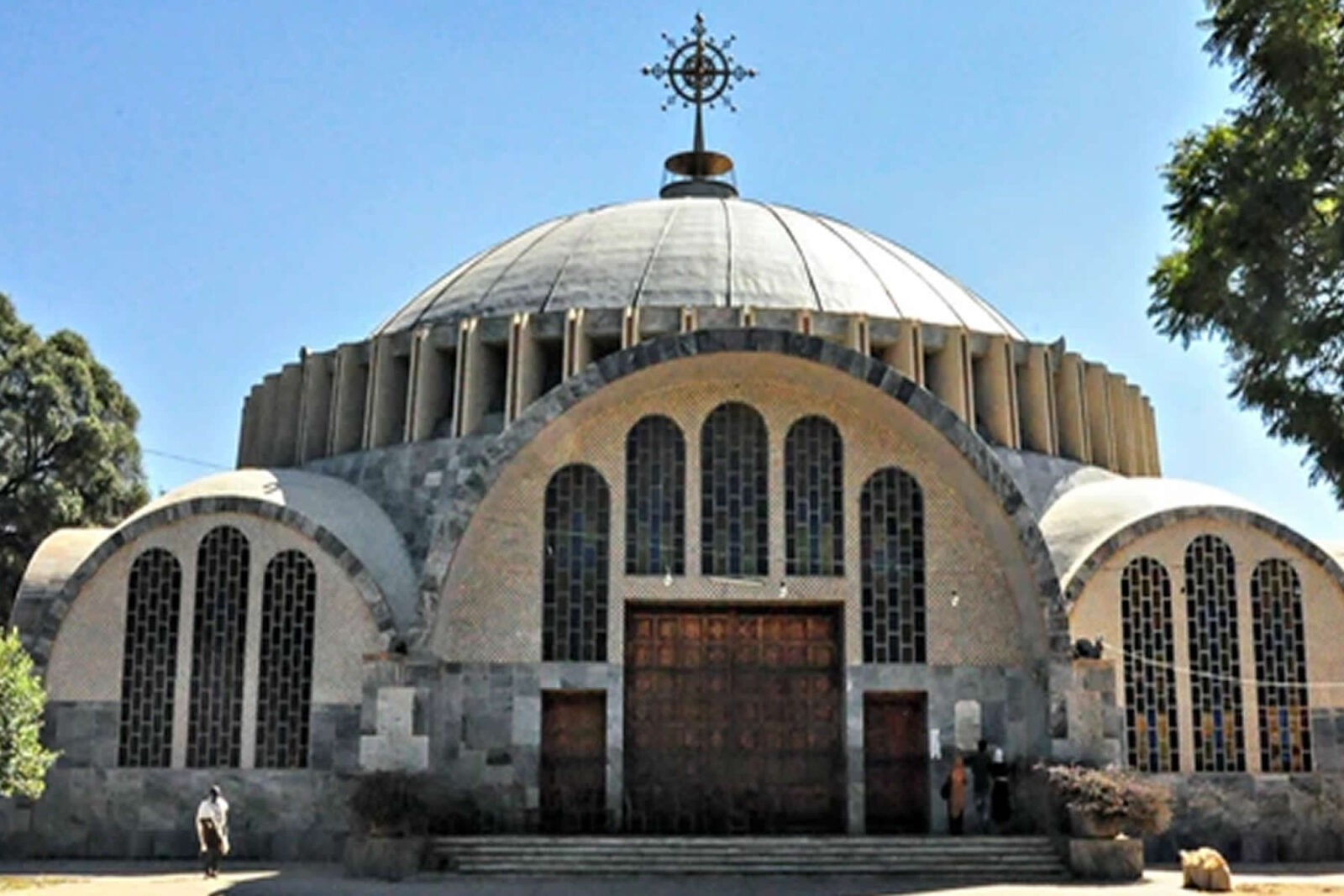
One of the best examples of art from Ethiopia’s past is its works of stone monuments; the obelisk was carved with windows and doors and is thought, like Stonehenge, to have some solar or astronomical measuring role. The Kingdom of Axum, also known as the Aksumite Empire, was an important trading nation in north-eastern Africa, existing from approximately 100–940 AD. The Aksumite Empire was an important trading nation in north-eastern Africa, trading frankincense, myrrh, ivory, and tortoiseshell while receiving imports of copper, bronze, silver, gold, and wine. However, unlike the relations between the Islamic powers and Christian Europe, Aksum was on good terms with its Islamic neighbours and provided shelter to Muhammad’s early followers around 615. The Ethiopian Orthodox Church claims that the Church of Our Lady Mary of Zion in Aksum houses the Biblical Ark of the Covenant in which lie the Tablets of Law upon which the Ten Commandments are inscribed.
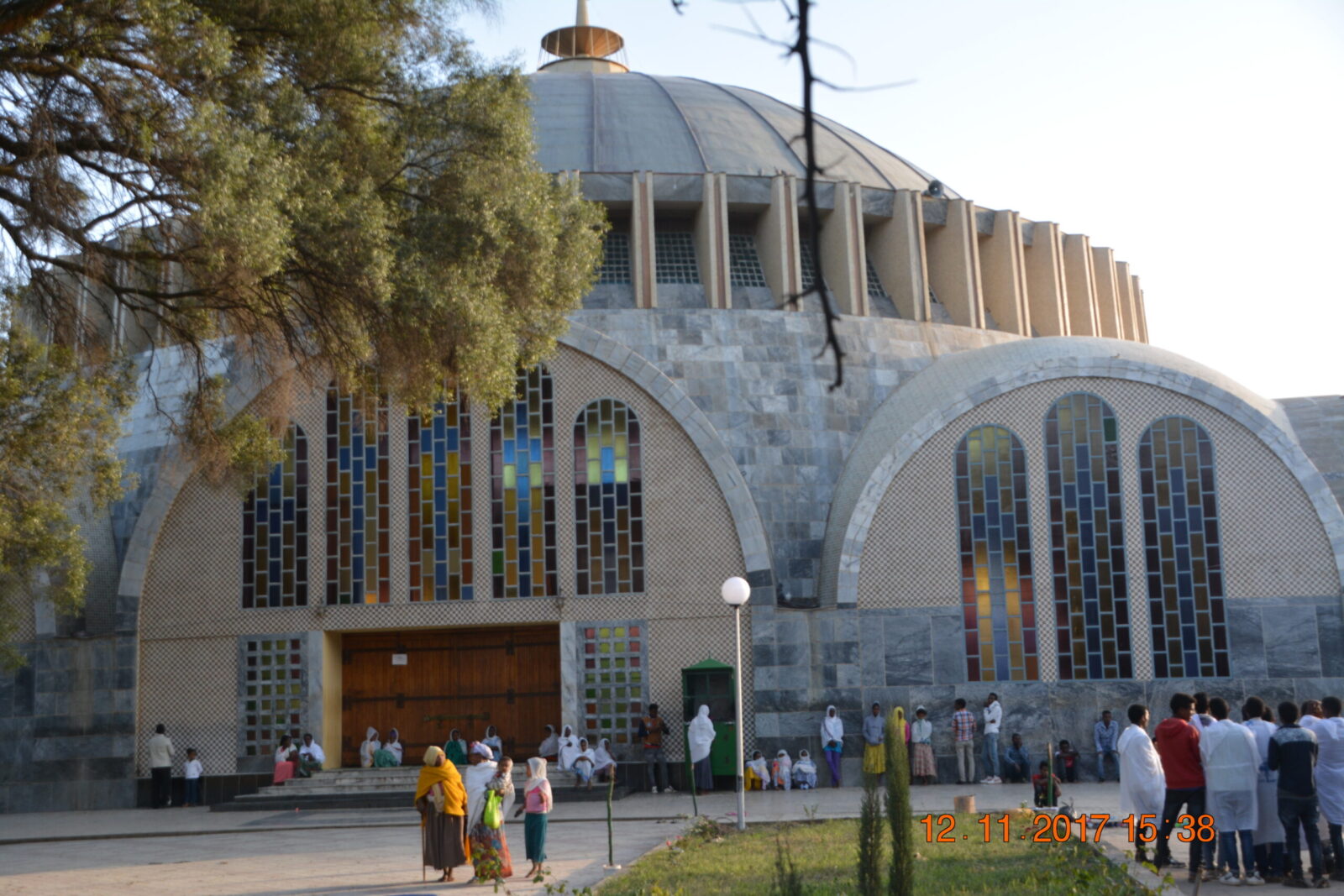
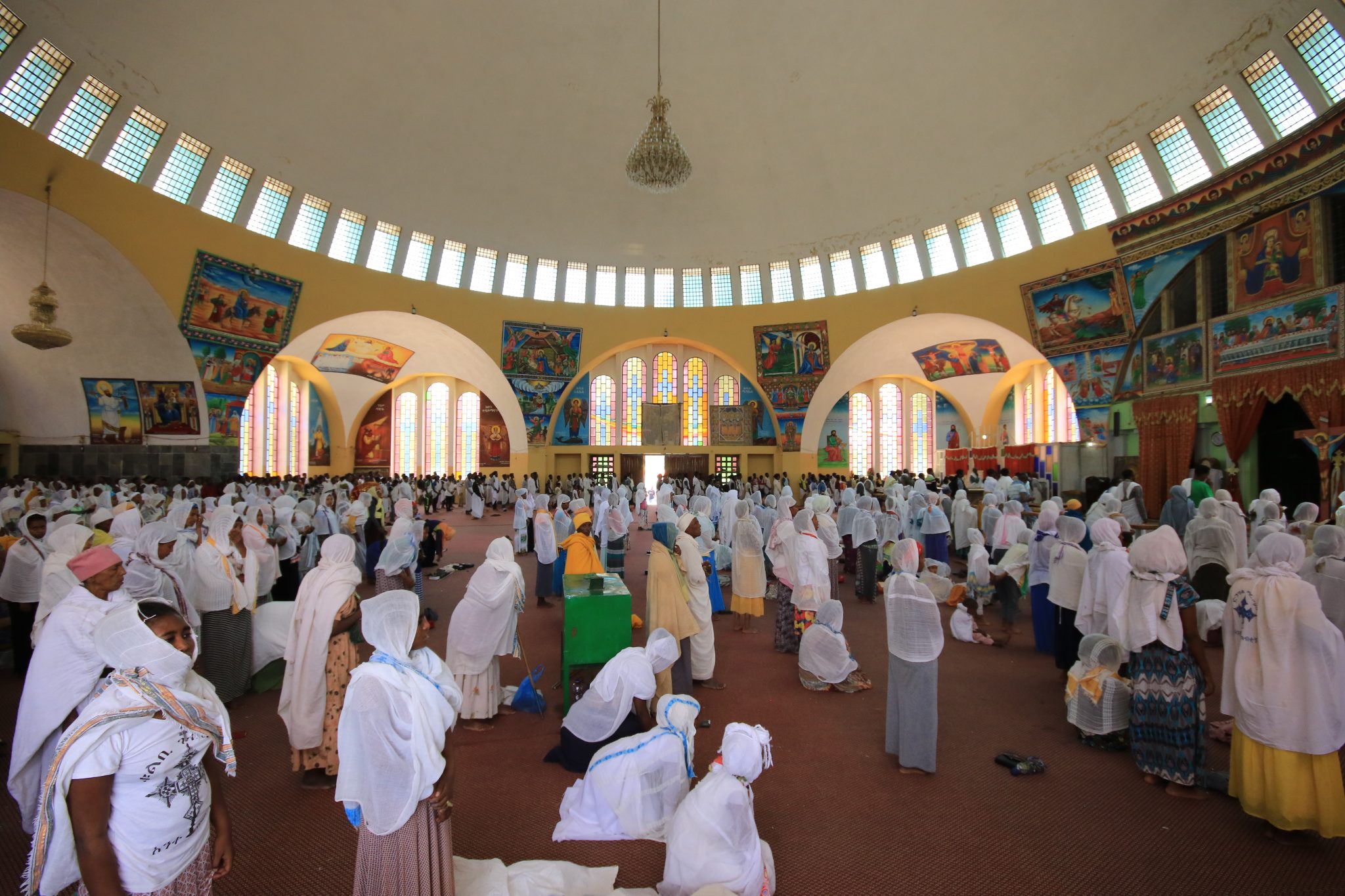
This same church was the site Ethiopian emperors were crowned for centuries until the reign of Fasilides, then again beginning with Yohannes IV until the end of the empire. Axum is considered to be the holiest city in Ethiopia and is an important destination of pilgrimages. At its height, the Aksumite Empire covered parts of modern-day Egypt, Sudan, Yemen and Saudi Arabia. The Kingdom of Aksum, also known as the Aksumite Empire, was an important trading nation in north-eastern Africa, trading frankincense, myrrh, ivory, and tortoise shell while receiving imports of copper, bronze, silver, gold, and wine. Aksumite coins and their inscriptions can help us to understand the history of this African empire and to date the reigns of Aksumite kings. Aksum began a long slow decline after the 7th century due partly to Islamic groups contesting trade routes.
Check out these
Awesome Tours